

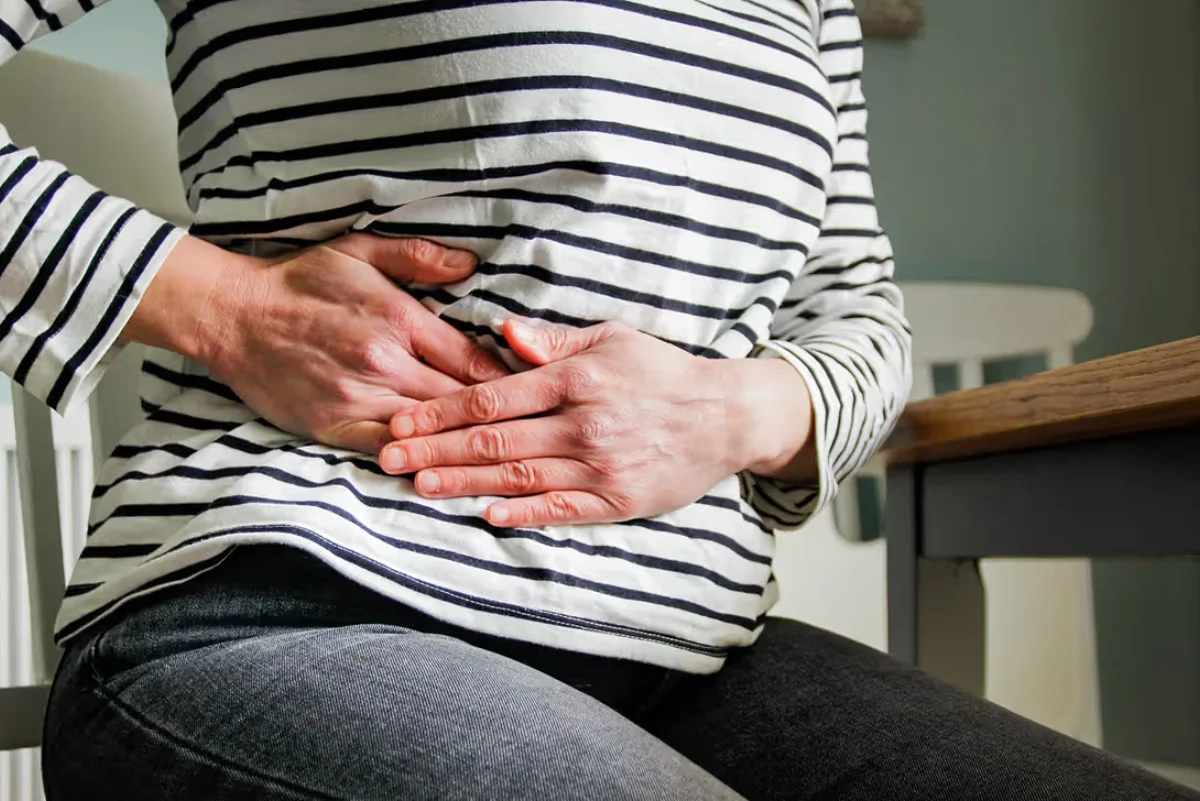
After Eating vs. Empty Stomach Pain: What Does It Mean?
Stomach pain is something that most people do not ignore. However many people do not understand that the time when the stomach pain happens can tell us a lot about what’s going on. Does your stomach hurt after you eat a meal?. Do you feel bad when your stomach is empty? These things are not just happening by chance. They often show that you might have problems with your stomach and sometimes they might even mean that you have stomach cancer.
Understanding the difference between these things can help you know when it is okay to watch your symptoms and when it is time to go see a doctor for stomach cancer treatment in Ahmedabad from a doctor who knows a lot about this like Dr. Anuj Suketu Shah, who’s a surgical oncologist, with experience.
Understanding the Timing: Why Does it Matter?
Your stomach behaves differently when it’s empty versus when it’s digesting food. Pain that occurs during these phases can indicate specific issues such as:
- Acid-related problems
- Ulcers
- Gastritis
- Digestive disorders
- Stomach cancer
- Gastrointestinal tumors
If the pain is persistent, worsening, or accompanied by other symptoms, it should never be ignored.
Stomach Pain After Eating – What Could It Mean?
Pain that starts after meals is usually linked to how your stomach handles food. Here are some common causes:
- Gastritis (Stomach Inflammation) – When your stomach lining gets inflamed, eating food makes your stomach produce acid, which then irritates the lining and causes pain. Some symptoms of gastritis are:
- A burning feeling after you eat
- Bloating
- You feel nauseous
- You feel full really quickly
- Stomach Ulcers – Food can irritate sores in your stomach lining causing discomfort not long after you eat. Some warning signs are:
- Sharp pain or a burning feeling
- Pain gets worse if you eat heavy meals
- Nausea or vomiting
- Gallbladder or Digestive Issues – Fatty meals especially can trigger pain due to digestive strain..
- Stomach Cancer (Important to Rule Out) – In some patients, stomach cancer can cause pain after eating due to:
- Tumor obstructing food passage
- Reduced stomach capacity
- Inflammation
- You may also notice:
- Loss of appetite
- Unexplained weight loss
- Feeling full quickly
- Persistent indigestion
If these symptoms persist, seeking stomach cancer treatment in Ahmedabad becomes important for early diagnosis.
Pain on an Empty Stomach – What Does It Indicate?
Pain that occurs when you haven’t eaten is usually linked to acid buildup.
- Peptic Ulcers – When your stomach is empty, acid directly irritates ulcers, causing pain. Typical signs:
- Pain between meals
- Night-time stomach pain
- Relief after eating
- Burning sensation
- Acid Reflux or Hyperacidity – Excess acid without food buffering can cause discomfort. Symptoms include:
- Sour taste in mouth
- Burning chest sensation
- Upper stomach pain
- Early Warning of Stomach Cancer – Although less common, persistent empty stomach pain may also be seen in stomach cancer, especially when accompanied by:
- Constant discomfort
- Loss of appetite
- Fatigue
- Black stools
- Anemia
This is why evaluation by a gastrointestinal cancer surgeon is important if symptoms don’t improve.
After Eating vs. Empty Stomach Pain – Quick Comparison
|
Symptom Timing
|
Possible Causes
|
|---|---|
|
Pain after eating |
Gastritis, stomach ulcer, stomach cancer |
|
Pain on empty stomach |
Peptic ulcer, acidity, reflux |
|
Pain both times |
Advanced ulcer, stomach cancer, GI disorders |
|
Persistent pain |
Needs medical evaluation |
If pain occurs regularly, worsens, or lasts more than 1–2 weeks, don’t delay evaluation
What Are the Treatment Options for Stomach Cancer?
Recovery varies based on the type of surgery and your health condition. Most patients spend several days in the hospital. Important things that make the recovery process faster include:
- Going about slow movements
- Consume small quantities of food easily digested
- Follow your doctor’s instructions carefully
- Attend all follow-up appointments
Choosing the Right Specialist for the Best Treatment Journey
Stomach cancer treatment in Ahmedabad has advanced significantly. Depending on the stage and spread of cancer, treatment options include:
- Surgery – removal of part or all of the stomach (gastrectomy), performed by an experienced cancer surgeon
- Chemotherapy – before or after surgery to shrink or eliminate cancer cells
- Radiation therapy – often used in combination with chemotherapy
- Targeted therapy – newer treatments that attack specific cancer cells with fewer side effects
- Laparoscopic (minimally invasive) surgery – smaller cuts, faster recovery, less pain
A personalised treatment plan is always the best approach – what works for one patient may differ for another based on their age, overall health, and cancer stage.
Don’t Ignore the Pattern of Your Pain
Your body often gives early warning signs. Whether pain occurs after eating or on an empty stomach, the pattern matters. Occasional discomfort may be harmless, but persistent symptoms should never be ignored.
Consulting an experienced surgical oncologist like Dr. Anuj Suketu Shah can help identify the cause early and guide you toward the right treatment.