
Colon Cancer Prevention Tips Recommended by Surgical Oncologists
Colon cancer often develops without us even knowing it. People usually do not see any signs of colon cancer until it has already gotten worse. This is the reason why it’s so important to try to prevent colon cancer and find it early. For families looking for advice about Colon Cancer Treatment in Ahmedabad learning how to reduce the risk of colon cancer can really help.
According to healthcare experts, lifestyle habits, regular screenings, and timely medical consultations can help prevent many cases of colon cancer. Surgical oncologists frequently emphasize that prevention is not only about avoiding disease it is also about protecting long-term digestive health and improving quality of life.
In this article, Dr. Anuj Suketu Shah shares patient-friendly prevention tips, risk factors, warning signs, and guidance on when to seek medical advice.
What Is Colon Cancer And Why Should You Pay Attention?
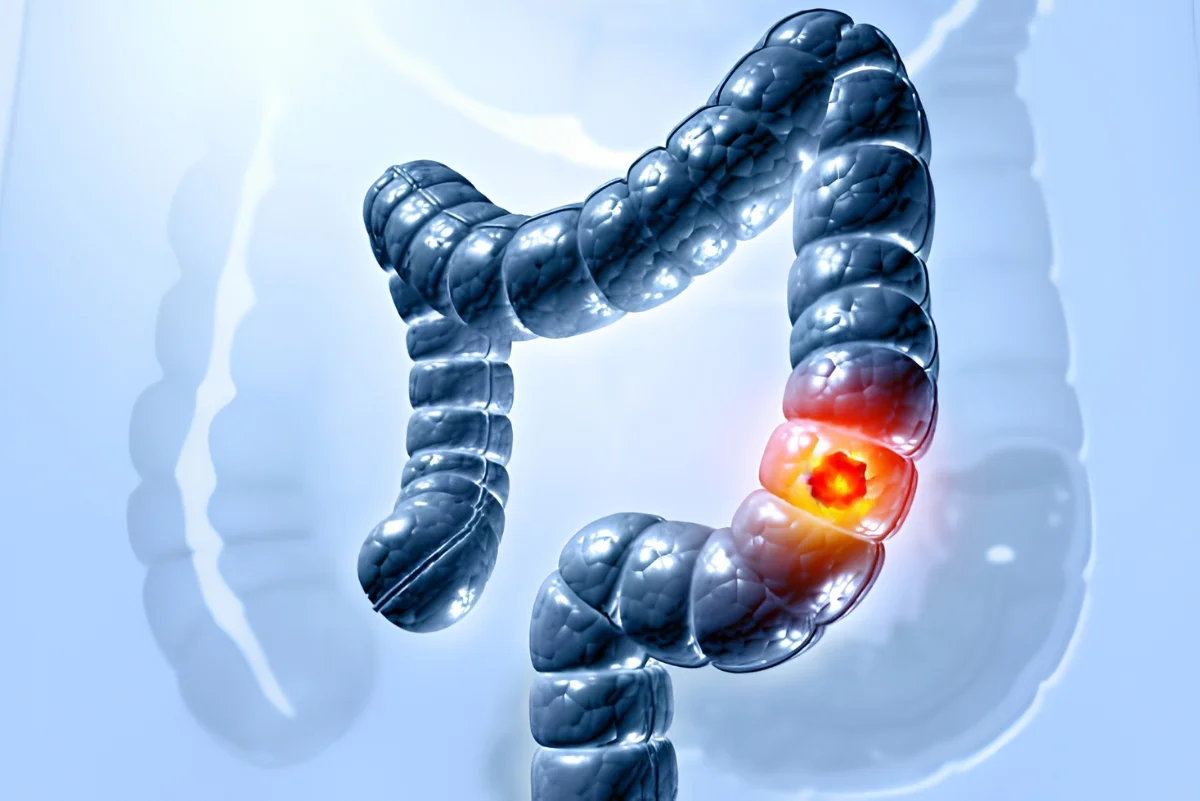
Colon cancer, also called colorectal cancer, develops in the large intestine (colon) or the rectum. It usually starts as small, benign growths called polyps on the inner lining of the colon. Over time often years some of these polyps can slowly turn cancerous.
The tricky part? Most polyps and early-stage colon cancers cause no symptoms at all. By the time symptoms appear, the disease may already be at an advanced stage. That’s exactly why preventive screening and awareness are so critical.
Why Colon Cancer Cases Are Increasing
Doctors across India are seeing a rise in digestive cancers due to changing lifestyles and dietary habits. Common reasons include:
- Low-fiber diets
- Processed and fast food consumption
- Sedentary lifestyle
- Obesity
- Smoking and alcohol use
- Delayed health check-ups
- Family history of colon cancer
Many patients ignore symptoms such as bloating, constipation, or blood in stools because they assume it is a minor digestive issue. Early awareness can save lives.
Recognising the Warning Signs Early
While early colon cancer may be silent, certain symptoms should never be brushed aside. See a doctor promptly if you notice:
- Blood in your stool or rectal bleeding
- A persistent change in bowel habits — more frequent stools, constipation, or diarrhoea lasting more than a few weeks
- Stool that appears narrower than usual
- A feeling that your bowel hasn’t fully emptied after going to the toilet
- Unexplained abdominal cramps, gas, or pain
- Unexplained fatigue or weakness
- Unintended weight loss
These symptoms don’t automatically mean cancer — they can have other causes — but they absolutely warrant a medical evaluation without delay.
Colon Cancer Prevention Tips from a Surgical Oncologist
Prevention is always better than cure. Here are evidence-based, practical tips that Dr. Anuj Suketu Shah recommends to his patients and their families.
- Prioritise Colorectal Screening
If you’re 45 years or older — or younger with a family history of colon cancer — please don’t wait for symptoms. Screening tests like a colonoscopy can detect polyps before they turn cancerous and allow them to be removed on the spot.
- A colonoscopy is typically recommended every 10 years for average-risk individuals
- High-risk individuals (family history, prior polyps) may need it every 3–5 years
- Stool-based tests are another option and can be done annually
This single step is the most powerful weapon in colon cancer prevention.
- Eat for Your Colon’s Health
Your diet has a direct impact on your colorectal health. A few consistent choices can significantly lower your risk.
- Increase fibre intake: Whole grains, lentils, beans, fruits, and vegetables help move waste through the colon faster, reducing the time harmful substances stay in contact with the colon lining.
- Cut back on red and processed meat: Grilled, fried, or processed meats (sausages, ham, salami) have been linked to higher colorectal cancer risk. Limit these to occasional consumption.
- Eat more plant-based foods: Leafy greens, cruciferous vegetables like broccoli and cabbage, and antioxidant-rich fruits support healthy cell function.
- Stay well hydrated: Drinking adequate water aids digestion and reduces constipation.
- Move Your Body Every Day
A sedentary lifestyle is a quiet but real risk factor. Regular physical activity helps regulate body weight, reduces inflammation, and improves bowel motility.
Aim for at least 30 minutes of moderate activity — brisk walking, swimming, cycling — five days a week. You don’t need to join a gym; a consistent daily walk is a meaningful start.
- Maintaina Healthy Body Weight
Obesity, particularly fat accumulated around the waist, is associated with a higher risk of colon cancer. Even modest weight loss — 5 to 10% of your body weight — can meaningfully reduce this risk. Work with a doctor or nutritionist to set realistic goals.
- Quit Smoking and Limit Alcohol
Tobacco use is linked to a range of cancers, including colorectal cancer. If you smoke, seeking support to quit is one of the most impactful health decisions you can make.
Alcohol, especially in large quantities, also raises the risk. Keeping consumption moderate — or eliminating it — is a sound preventive step.
- Know Your Family History
Talk to your close relatives about their health history. If a first-degree relative (parent, sibling, or child) has had colon cancer or polyps, your risk is significantly higher, and you should begin screening earlier — around age 40 or even younger in some cases.
How Colon Cancer Is Diagnosed
When symptoms or screening results raise concern, your doctor may recommend:
- Colonoscopy: The gold standard — allows the doctor to view the entire colon and remove suspicious polyps immediately
- CT Colonography (Virtual Colonoscopy): A scan that creates detailed images of the colon
- Biopsy: If abnormal tissue is found, a small sample is taken for laboratory analysis
- Blood tests and CEA marker: Helps assess the body’s response and track treatment
When Prevention Becomes Protection
Colon cancer prevention starts with awareness and timely action. Healthy eating, regular exercise, avoiding tobacco, and routine screenings can significantly lower the risk of developing this disease.
For individuals seeking trusted guidance regarding Colon Cancer Treatment in Ahmedabad, early diagnosis and expert care remain extremely important. Dr. Anuj Suketu Shah focuses on patient-centered cancer care with an emphasis on timely treatment and long-term recovery support.