

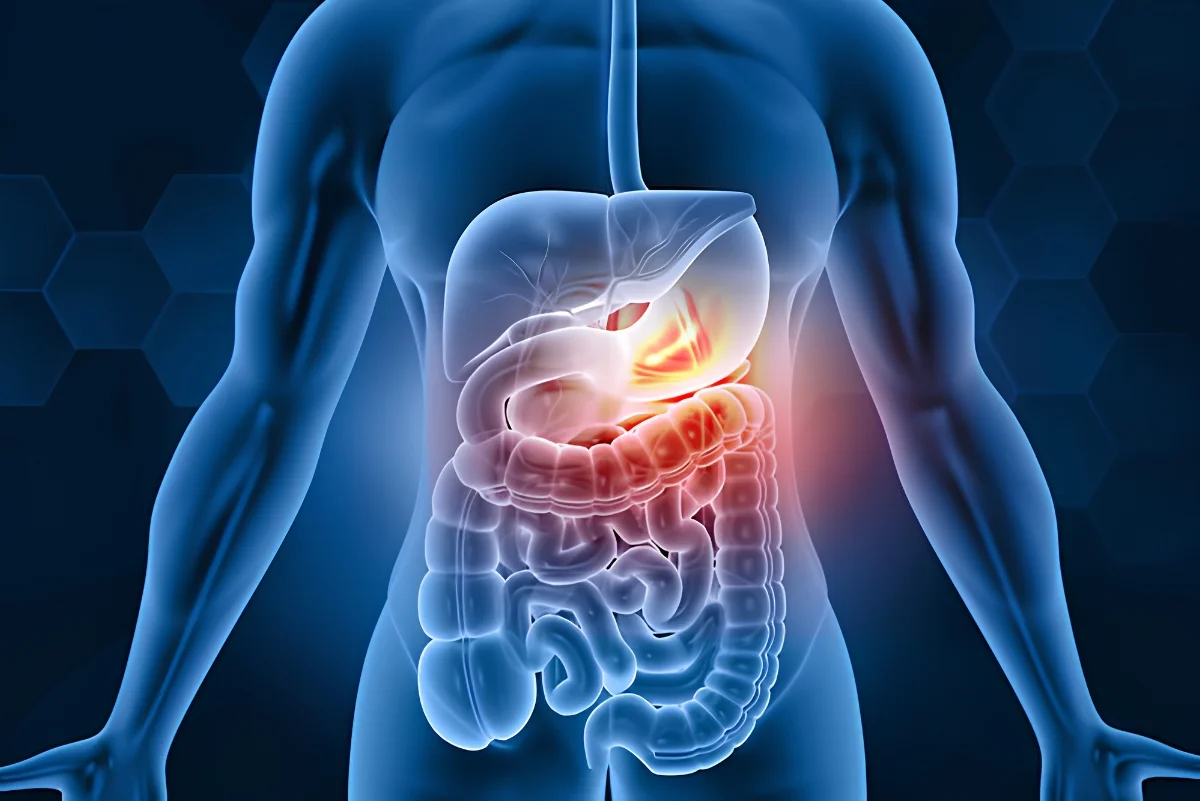
Gastrointestinal Cancer Surgery: Symptoms, Treatment Options, and Recovery Guide
Cancer affecting the digestive system can quietly develop over time, often showing mild symptoms in the early stages. Many people ignore these signs, thinking they are minor digestive issues. However, early diagnosis and the right treatment can make a significant difference in outcomes and recovery.
When it comes to Gastrointestinal Cancer Surgery in Ahmedabad, expert care from experienced specialists like Dr. Anuj Suketu Shah ensures accurate diagnosis, advanced treatment, and compassionate support throughout the journey.
What is Gastrointestinal Cancer?
Gastrointestinal (GI) cancer refers to cancers that affect the digestive system, including the stomach, intestines, liver, pancreas, and esophagus. These cancers can interfere with digestion and overall health if not treated in time.
Common Symptoms of Gastrointestinal Cancer
Recognizing symptoms early can help in timely treatment. Some common signs include:
- Persistent abdominal pain or discomfort
- Unexplained weight loss
- Changes in bowel habits (constipation or diarrhea)
- Blood in stool
- Difficulty swallowing
- Loss of appetite
- Nausea or vomiting
If these symptoms continue for a long time, it is important to consult a specialist.
Treatment Options: Advanced Surgical Approaches
Surgery is often the primary treatment for GI cancers. The goal is to remove the tumor while keeping as much healthy tissue as possible. Today, patients have access to various surgical methods:
- Open Surgery: Used for complex or larger tumors where the surgeon needs direct access to the area.
- Laparoscopic Surgery: A minimally invasive method using small incisions, which usually results in less pain and a faster return to daily life.
- Robotic Surgery: This advanced technology provides the surgeon with high precision and control, especially in tight areas of the abdomen.
For advanced care, many patients trust a skilled Gastrointestinal Cancer Surgeon in Ahmedabad for safe and effective treatment outcomes.
What Happens During Surgery?
Before surgery, your doctor will guide you through tests and preparation. During the procedure:
- Cancer-affected tissue is removed carefully
- Advanced techniques may be used for better result
- The focus is on both safety and recovery
You will be closely monitored after the procedure to ensure everything is healing well.
Recovery: What You Need to Know
Recovery is an important part of the treatment process. Here’s what you can expect:
- A short hospital stay depending on the surgery
- Gradual return to normal eating habits
- Regular follow-up visits
- Light physical activity to regain strength
- Emotional support for overall well-being
Conclusion
Digestive health is an essential part of overall well-being, and ignoring warning signs can lead to serious complications. With timely diagnosis and the right medical approach, patients can achieve successful outcomes and improved quality of life.
For those seeking expert care in Gastrointestinal Cancer, Dr. Anuj Suketu Shah provides advanced treatment with a patient-focused approach. Choosing the right specialist for GI Cancer Surgery can make a significant difference in recovery and long-term health.