• anujshah.onco@gmail.com
  • Hope Surgical Cancer Care, Avni Complex, HR Elanza, Vikas Gruh Rd, Paldi, Ahmedabad, Gujarat 380007

Gastrointestinal Cancer Surgery

Gastrointestinal Cancer Surgery

Can Pancreatic Cancer Be Treated Without Surgery? 

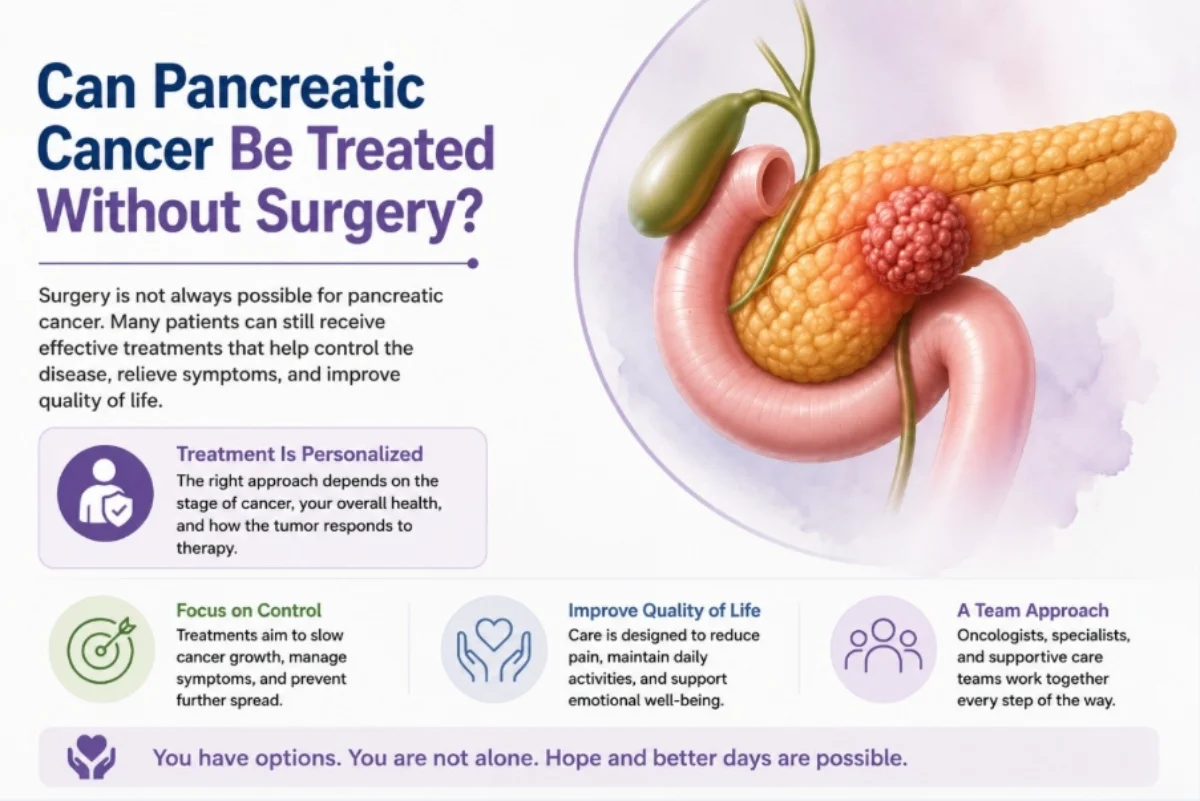
Can Pancreatic Cancer Be Treated Without Surgery? When a pancreatic cancer diagnosis lands, one question usually comes before all the others: “Will I need surgery?” It’s a fair question, and often an anxious one. Surgery sounds final, frightening, and, for many patients, uncertain given their health or how far the disease has progressed. So can pancreatic cancer be treated without surgery? The honest answer is yes; for many patients, it can, and understanding why can bring real peace of mind during an overwhelming time.  Why Every Pancreatic Cancer Case Looks Different The pancreas sits deep in the abdomen, tucked behind the stomach and close to major blood vessels. That location is part of why this cancer is often found later than others, and why treatment plans vary so much from one patient to the next. No two tumors behave the same way, and no two treatment paths look identical either. Some patients are strong surgical candidates. Others are not, and that doesn’t mean fewer options. It means a different kind of care.  Can Pancreatic Cancer Be Treated Without Surgery? What Patients Should Know Surgery, when possible, remains the treatment most likely to offer a cure. But only a portion of patients are eligible for it at the time of diagnosis, usually because the tumor has grown near critical blood vessels or has spread beyond the pancreas. For everyone else, treatment isn’t a lesser path. It’s a carefully built plan focused on controlling the disease, protecting quality of life, and, in some cases, shrinking the tumor enough to reconsider surgery later. When Doctors Typically Recommend a Non-Surgical Approach The tumor wraps around or sits too close to major blood vessels  Cancer cells have spread to the liver, lungs, or other organs  A patient’s overall health makes major surgery too risky  Shrinking the tumor first may open the door to surgery down the road  What Are the Non-Surgical Treatment Options? Chemotherapy  Chemotherapy uses medication to slow or shrink cancer cells throughout the body. It’s often the first step for pancreatic cancer that has spread, and it can also be used before surgery to make an operation safer or more effective.  Radiation Therapy  Radiation targets the tumor with focused energy to stop cancer cells from growing. Newer techniques, like stereotactic body radiation therapy, deliver precise doses over just a few sessions, which means less disruption to daily life.  Chemoradiation  Combining chemotherapy with radiation can sometimes control locally advanced tumors more effectively than either treatment alone, especially when the goal is to make surgery possible later.  Targeted and Immune-Based Therapy  A smaller group of patients has tumors with specific genetic changes that respond to targeted drugs or, rarely, immunotherapy. Genetic testing of the tumor helps identify who might benefit. Is Non-Surgical Treatment as Effective as Surgery? This deserves an honest answer, not a comforting one dressed up. Surgery still offers the best chance at long-term remission when it’s possible. Non-surgical treatment isn’t a replacement for that, but it is a genuine and often meaningful path forward. It can shrink tumors, ease symptoms, slow progression, and in some cases, turn an inoperable tumor into one that can eventually be removed. For patients for whom a cure isn’t the immediate goal, these treatments protect something just as important: comfort, time, and dignity.  Living Well During Treatment  Eat smaller, more frequent meals if appetite is affected  Speak up early about pain rather than waiting until it’s severe  Lean on family, counselors, or support groups during treatment  Stay in close, honest contact with your care team about side effects  Ask about palliative care early, since it can begin alongside active treatment, not just after it  A Reassuring Way Forward So, can pancreatic cancer be treated without surgery? Yes, and for many patients, that path offers real hope, real comfort, and real results. Every treatment plan should be built around the individual, not a general assumption about what pancreatic cancer requires. If you or someone you love has recently been diagnosed, know that options exist beyond the operating room and that a thoughtful, personalized plan can make a genuine difference.  If you’re navigating a pancreatic cancer diagnosis and want clarity on what treatment path is right for your situation, Dr. Anuj Suketu Shah, a surgical oncologist in Ahmedabad, welcomes the opportunity to sit down, review your case, and talk through the options together.

Gastrointestinal Cancer Surgery

My Stomach Hurts Every Time I Eat – Could This Be Gallbladder Cancer? 

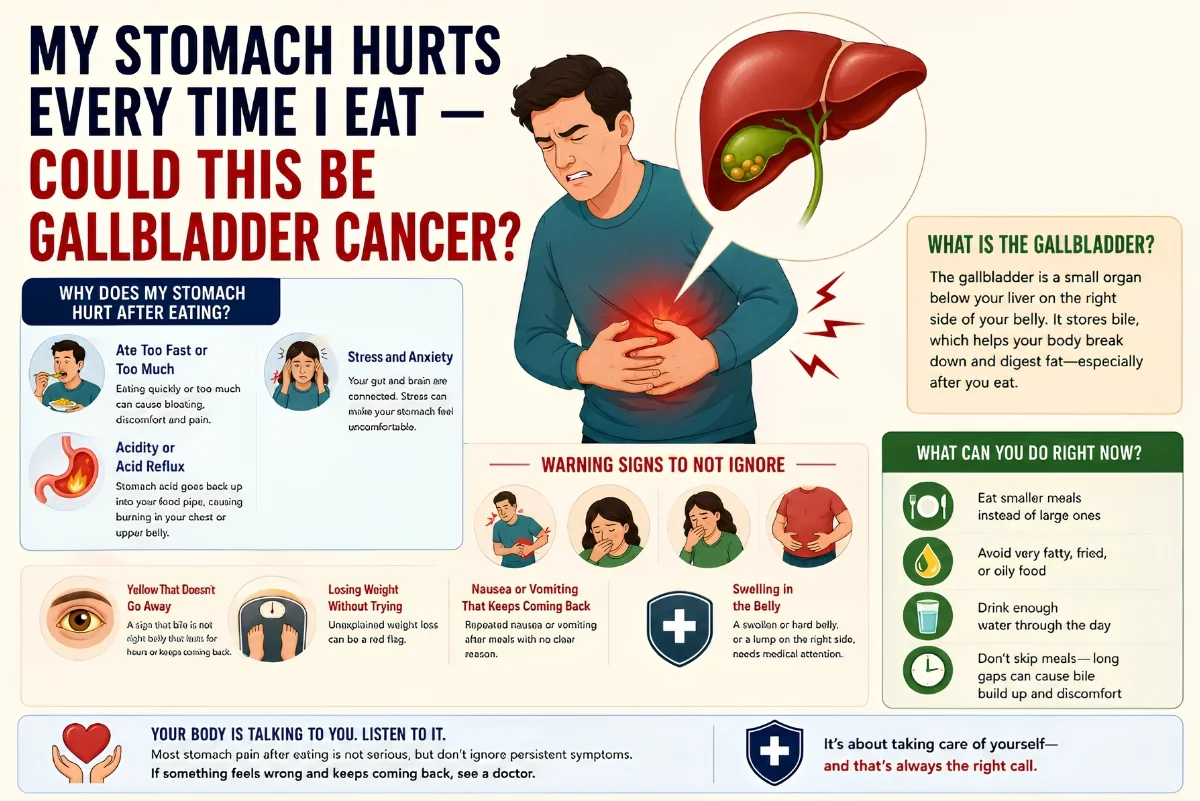
My Stomach Hurts Every Time I Eat – Could This Be Gallbladder Cancer? You eat lunch. Then the pain starts. It sits right under your ribs or in the middle of your belly. You think – maybe it’s just gas. Maybe I ate too fast.  But it keeps happening. Every single meal.  That’s when the worry kicks in. Is something actually wrong with me? Could this be serious?  Let’s talk about it – simply and honestly.  Why Does My Stomach Hurt After Eating? Most of the time, stomach pain after eating is not dangerous. There are many common reasons this happens.  You Ate Too Fast or Too Much  : When you eat quickly, your stomach fills up faster than your brain notices. This causes bloating, discomfort, and pain. Eating smaller meals slowly can help a lot.  Acidity or Acid Reflux : Acid reflux is very common. When stomach acid goes back up into your food pipe, it causes a burning feeling in your chest or upper belly. It usually happens after spicy or oily food.  Food Sensitivity  : Some people’s bodies can’t handle certain foods well. For example:  Lactose intolerance : Pain after eating dairy like milk or cheese  Gluten sensitivity : Pain after eating wheat products like bread or pasta  Stress and Anxiety  : Your gut and your brain are connected. If you’re stressed or anxious, your stomach feels it too. Meals can become uncomfortable even if the food is totally fine. What Is the Gallbladder and What Does It Do? The gallbladder is a small organ that sits just below your liver on the right side of your belly. It stores a liquid called bile, which your liver makes.  When you eat – especially fatty food – your gallbladder releases bile. Bile helps your body break down and digest fat.  Most people never think about their gallbladder. Until it starts causing trouble. What Happens When the Gallbladder Has a Problem? The most common gallbladder problem is gallstones. These are small, hard pieces that form inside the gallbladder. They can block the flow of bile.  When this happens, you feel pain — usually in the upper right side of your belly. The pain can also spread to your back or right shoulder. It often shows up 30 minutes to 1 hour after eating.  This kind of pain is called biliary colic. It is very common and not always dangerous. But it needs to be checked.  Could This Be Gallbladder Cancer? This is the question most people are afraid to ask. Let’s be honest about it.  Gallbladder cancer is rare. Most stomach pain after eating is NOT cancer. But it’s important to know the warning signs — just in case.  Warning Signs That Could Point to Something Serious  Here are signs you should NOT ignore:  1. Pain That Doesn’t Go Away : Normal gallstone pain comes and goes. But if you have a steady, dull ache in your upper right belly that stays for hours or keeps coming back for days — get it checked.  2. Yellow Skin or Yellow Eyes (Jaundice) : This is one of the most important signs. If your skin or the whites of your eyes look yellow, it means bile is not flowing properly. It’s building up in your body. This needs immediate medical attention.  3. Losing Weight Without Trying : If you’re losing weight but you haven’t changed your diet or exercise — that’s a red flag. Unexplained weight loss is something doctors take very seriously.  4. Nausea or Vomiting That Keeps Coming Back : Feeling sick to your stomach after meals again and again — especially with no clear reason — is worth checking out.  5. Swelling in the Belly : If your belly feels swollen or hard, or if you can feel a lump on the right side — see a doctor soon. Are These Signs Always Cancer? No. Each of these signs can have other causes — many of them not serious at all.  For example:  Jaundice can come from a liver infection  Nausea can come from acid reflux  Weight loss can be stress-related  But when more than one of these signs show up together, or when they don’t go away — that’s when you need proper tests to find out what’s really going on. What Can You Do Right Now? While you wait to see a doctor — or if your symptoms are mild — here are a few simple things that can help:  Eat smaller meals instead of large ones  Avoid very fatty, fried, or oily food — these put the most pressure on your gallbladder  Drink enough water through the day  Don’t skip meals — long gaps between eating can make bile build up and cause discomfort  Don’t Ignore Persistent Symptoms Stomach pain after eating is very common. In most cases, it’s something simple — like acid reflux, eating too fast, or a food sensitivity.  Your gallbladder can also cause pain after meals, especially if you have gallstones. This is common and treatable. Gallbladder cancer is rare. But knowing the warning signs — pain that won’t stop, yellow skin, weight loss, no appetite — means you can catch problems early if they do show up.  Your body is talking to you. Listen to it. If something feels wrong and keeps coming back, see a doctor. It’s not about being dramatic. It’s about taking care of yourself — and that’s always the right call.

Gastrointestinal Cancer Surgery

Chest pain when eating – Could it be esophageal cancer? 

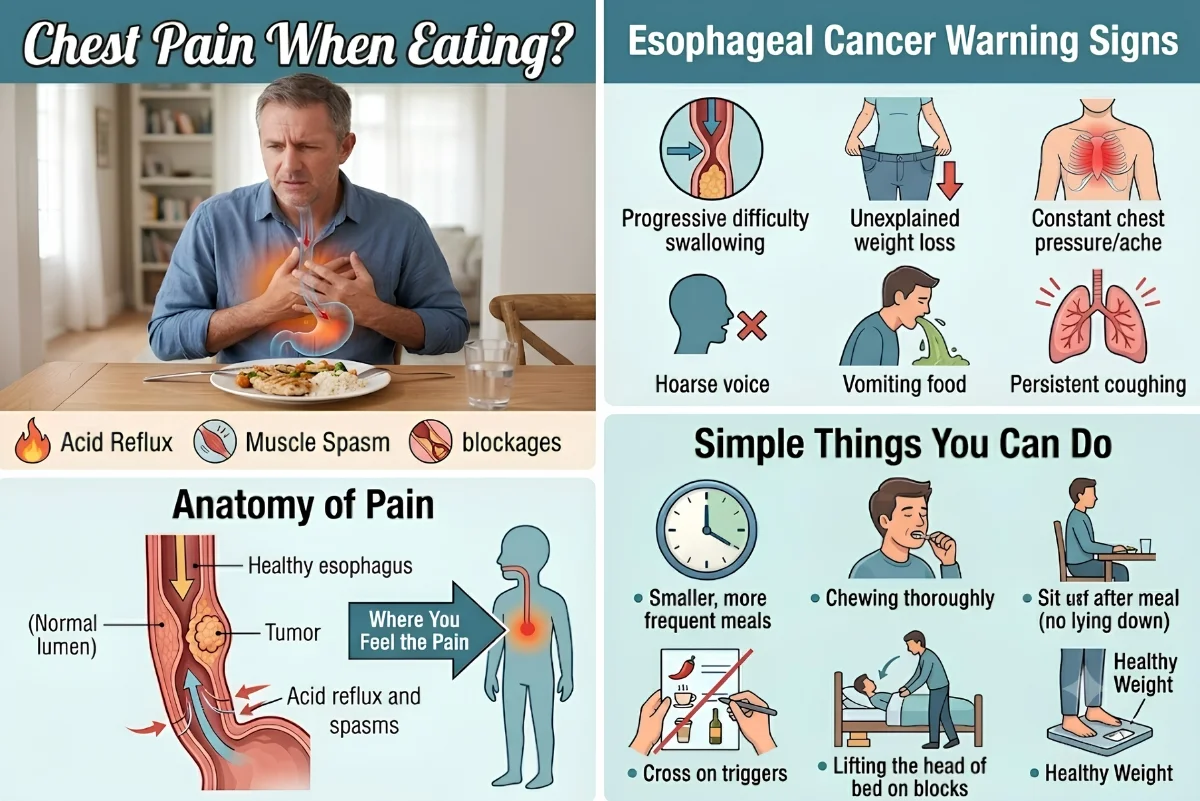
Chest pain when eating – Could it be esophageal cancer? Have you ever felt a strange tightness or burning in your chest while eating? Maybe it happened once after a spicy meal, or maybe it keeps coming back. It is easy to get worried and start thinking the worst. But take a breath chest pain when eating is very common, and in most cases, it has a simple, treatable explanation.  In this article, we will explain why this happens, what the common causes are, when to be concerned, and what esophageal cancer actually looks like – so you can make smart decisions about your health without unnecessary panic. What Is the Esophagus and Why Does It Cause Chest Pain? The esophagus is the food pipe – a long tube that carries food and liquids from your throat down to your stomach. It runs right through the middle of your chest. So when anything irritates, inflames, or blocks this tube, you feel the pain exactly in your chest area.  This is why many digestive problems feel like they could be heart-related. The two organs are physically very close to each other. But if the pain happens mainly during or after eating, the esophagus is usually the more likely source. Common Causes of Chest Pain When Eating Before thinking about anything serious, it helps to know the most likely everyday reasons:  Acid Reflux (GERD) — The most common cause. When stomach acid flows back up into the food pipe, it creates a burning feeling in the chest. This is often called heartburn. It gets worse with spicy, oily, or heavy meals.  Esophageal Spasm — The muscles of the food pipe sometimes contract suddenly and strongly. This causes a tight, cramping chest pain during or after swallowing, which can feel alarming but is usually harmless.  Eating Too Quickly — When you swallow food in large pieces without chewing properly, it can get temporarily stuck in the esophagus. This creates pressure and discomfort in the chest.  Hiatal Hernia — This happens when a small part of the stomach pushes up through the diaphragm (the muscle below your lungs). It causes chest pain and heartburn, especially after eating a large meal.  Esophagitis — This means the lining of the food pipe is inflamed. It can happen due to long-term acid reflux, certain medications, infections, or food allergies. Swallowing becomes uncomfortable or painful.  Anxiety and Stress — Strong emotions can cause the muscles in your chest and throat to tighten. This is why some people feel chest discomfort when eating in stressful situations. When Should You Be Concerned? Esophageal cancer develops in the lining of the esophagus. It’s not a common cancer — it accounts for about 1% of all cancers diagnosed each year — but it is serious, and early detection makes a significant difference in outcomes.  The key thing to understand is this: esophageal cancer rarely causes chest pain on its own in the early stages. By the time it starts causing noticeable symptoms, it’s often been growing for a while.  Here are the specific warning signs that are associated with esophageal cancer: Difficulty Swallowing That Gets Progressively Worse  : This is the most common early symptom. It usually starts with solid foods – bread, meat, or dense foods that feel like they’re not going down easily. Over time, even softer foods or liquids can become difficult to swallow. If swallowing has been getting harder over weeks or months, that’s a reason to see a doctor promptly.  Unexplained Weight Loss  : If you’re losing weight without trying  particularly because eating has become painful or difficult that’s a red flag worth taking seriously.  Chest Pain or Pressure Specifically When Swallowing  : Unlike the burning from acid reflux, the chest pain from esophageal cancer tends to feel like pressure or a dull ache behind the breastbone, specifically triggered by swallowing food. It doesn’t usually come and go the way heartburn does.  Persistent Coughing or Hoarseness  : A chronic cough or a voice that has become raspy or hoarse  especially when it’s not related to a cold or infection can sometimes be linked to esophageal issues.   Vomiting or Regurgitation of Food  : Bringing food back up shortly after eating, without the classic nausea of a stomach bug, can indicate a blockage or narrowing in the esophagus. Simple Things You Can Do Right Now If you’re experiencing chest pain when eating but don’t yet have other worrying symptoms, a few lifestyle changes can make a real difference:  Eat smaller meals more frequently rather than large meals at once  Eat slowly and chew food thoroughly  Avoid lying down for at least two to three hours after eating  Cut back on triggers like spicy food, coffee, alcohol, and carbonated drinks  Elevate the head of your bed slightly if nighttime reflux is a problem  Maintain a healthy weight — even modest weight loss can reduce acid reflux significantly  Final Thought Chest pain when eating is something millions of people experience at some point in their lives. The vast majority of the time, it comes from acid reflux, muscle spasms, or other manageable conditions that respond well to treatment.  Esophageal cancer is a real possibility worth knowing about particularly if you have risk factors or notice symptoms that are worsening over time. But it is not the automatic explanation for every bout of chest discomfort after a meal. The most important thing you can do is pay attention to changes in your body, especially anything that is new, persistent, or getting worse. Your doctor is your best partner in figuring out what’s going on  and earlier is always better than later. 

Gastrointestinal Cancer Surgery

Yellowing of the Skin or Eyes? When to Suspect Liver Cancer 

Yellowing of the Skin or Eyes? When to Suspect Liver Cancer  Yellowing of the skin or eyes can be alarming. Many people assume it is related to jaundice and may expect it to improve with medication or dietary changes. While jaundice is often caused by liver infections, gallstones, or other liver conditions, it can sometimes be a warning sign of something more serious, including liver cancer.  Recognizing the symptoms early and seeking timely medical care can make a significant difference in treatment outcomes. If you or a loved one notices persistent yellowing of the skin or eyes, it is important to understand when further evaluation may be needed.  What Causes Yellowing of the Skin and Eyes? The medical term for yellowing of the skin and eyes is jaundice. It occurs when there is an excess buildup of a substance called bilirubin in the blood. Bilirubin is produced when old red blood cells are broken down and is normally processed by the liver.  When the liver cannot properly process bilirubin or when bile flow is blocked, bilirubin accumulates and causes a yellow discoloration of the skin and the white part of the eyes.  Common causes of jaundice include:  Viral hepatitis  Fatty liver disease  Gallstones  Alcohol-related liver damage  Cirrhosis (scarring of the liver)  Liver cancer  While not every case of jaundice indicates cancer, persistent or unexplained jaundice should never be ignored. Can Yellowing of the Skin or Eyes Be a Sign of Liver Cancer? Yes. In some cases, yellowing of the skin or eyes may be a symptom of liver cancer.  Liver cancer can interfere with the normal functioning of the liver. As the tumor grows, it may block bile ducts or damage healthy liver tissue, making it difficult for the liver to process bilirubin effectively.  Jaundice is often more common in advanced stages of liver cancer, but it can occasionally appear earlier depending on the tumor’s location and size.  Other Symptoms That May Accompany Liver Cancer Jaundice is rarely the only symptom. People with liver cancer may also experience:  Unexplained Weight Loss: Losing weight without trying can be one of the earliest warning signs of many cancers, including liver cancer.  Loss of Appetite: You may feel full quickly or have little interest in eating.  Persistent Fatigue: Many patients report ongoing tiredness that does not improve with rest.  Pain or Discomfort in the Upper Abdomen: Pain is often felt on the right side, where the liver is located.  Abdominal Swelling: Fluid accumulation in the abdomen, known as ascites, may cause noticeable swelling.  Nausea and Vomiting: Digestive discomfort may occur as liver function declines. Treatment Options for Liver Cancer Treatment depends on the stage of the cancer, the overall health of the liver, and the patient’s general condition. Options include:  Surgical resection — removing the tumor along with a margin of healthy tissue; most effective when the cancer is caught early  Liver transplantation — an option for select patients with early-stage cancer and significant underlying liver disease  Ablation therapies — using heat (radiofrequency ablation) or cold to destroy cancer cells without surgery  Transarterial chemoembolization (TACE) — blocking the blood supply to the tumor while delivering chemotherapy directly to it  Targeted therapy and immunotherapy — newer medicines that specifically attack cancer cells or boost the immune system’s ability to fight them  Radiation therapy — advanced techniques like stereotactic body radiation can target liver tumors precisely  Your specialist will recommend the approach — or combination of approaches — best suited to your situation. Why Early Detection Changes Everything This cannot be said enough: the earlier liver cancer is found, the more treatment options are available and the better the outcomes. Early-stage liver cancer can often be treated with curative intent. Advanced-stage cancer is much harder to treat.  People with known risk factors should consider regular screening — typically an ultrasound every six months — even when they feel completely well. Catching a small tumor before symptoms even appear is the real goal.  Tips to Protect Your Liver Health While not all cases of liver cancer can be prevented, certain measures may reduce your risk:  Get vaccinated against hepatitis B  Seek treatment for hepatitis infections  Maintain a healthy weight  Exercise regularly  Limit alcohol consumption  Avoid smoking  Schedule regular health checkups if you have chronic liver disease  Take Charge of Your Liver Health Yellowing of the skin or eyes can sometimes be more than just a temporary liver problem. While many causes of jaundice are treatable and non-cancerous, persistent symptoms should never be overlooked. Understanding when to suspect liver cancer can help ensure timely diagnosis and appropriate care.  If you notice ongoing jaundice or other concerning symptoms, consulting an experienced Surgical Oncologist is the best next step. Dr. Anuj Suketu Shah provides comprehensive evaluation and advanced treatment options for liver conditions, helping patients receive the expert care they need at the right time. 

Gastrointestinal Cancer Surgery

Is Fast Food Increasing Stomach Cancer Risk in Young Adults? 

Is Fast Food Increasing Stomach Cancer Risk in Young Adults? Fast food has been quietly making its way into our daily lives. Fast food on the go, quick meals after work, processed foods, and sweet drinks are all gradually taking precedence over wholesome homemade dishes. While all this might sound normal, the rise in health problems associated with digestive organs is causing physicians to observe that this lifestyle is slowly harming our health.  Problems like acidity, abdominal pain, bloating, and poor digestive function have recently been observed among patients aged between 20 and 30. This has also brought up the question of how unhealthy dietary habits can cause diseases like stomach cancer.  While there are multiple causes for stomach cancer, one should remember that long-term bad habits can influence the condition of stomach tissue.  Why Fast Food Habits Are Becoming a Health Concern Food culture in the current era revolves around convenience. Fast food apps, packaged snack foods, meat products, and fast food meals are easily available and extensively consumed by the younger population.  Many of these foods contain:  Excess salt   Preservatives   Refined oils   Artificial additives   High sugar content   Low nutritional value   When consumed regularly, these eating habits may lead to chronic digestive irritation and poor overall gut health. How Fast Food May Increase Stomach Cancer Risk Fast food itself is not considered the only reason for stomach cancer. However, several ingredients and lifestyle patterns associated with it may contribute to a higher risk.  High Salt Intake Can Damage the Stomach Lining Many foods that are packaged contain a lot of salt to keep them fresh and make them taste good. Research shows that eating too much salt can hurt and weaken the lining of the stomach.  This can make the stomach more sensitive to getting sick and feeling inflamed.  Common high-salt foods include:  Instant noodles   Chips   Processed meats   Packaged snacks   Frozen ready-to-eat meals   Processed Meat Consumption Raises Concerns Processed meats such as sausages, salami, bacon, and hot dogs often contain preservatives called nitrates and nitrites.  Inside the body, these chemicals may form harmful compounds that can increase cancer risk over time.  Frequent intake of processed meat has been linked with several digestive cancers, including stomach cancer.  Obesity and Poor Digestion Fast food is usually high in unhealthy fats and calories. Regular consumption may lead to obesity, acid reflux, and chronic digestive issues.  Obesity can increase inflammation inside the body and may raise the risk of several cancers.  Lack of Nutrient-Rich Foods A diet low in fresh fruits, fiber, and vegetables can weaken the body’s natural defense system.  Foods rich in antioxidants help protect cells from damage. When these foods are missing from daily meals, long-term stomach health may suffer.  Gut Health Matters More Than People Realize The digestive system plays a major role in overall health. A poor diet can disturb the balance of healthy bacteria inside the gut.  When gut health is affected, people may experience:  Frequent bloating   Constipation   Acidity   Indigestion   Low energy   Poor immunity   Eating fiber-rich foods, drinking enough water, and reducing processed meals can support a healthier digestive system. H. pylori Infection and Stomach Problems One important medical factor linked with stomach cancer is Helicobacter pylori infection, commonly called H. pylori.  This bacterium affects the stomach lining and may lead to long-term inflammation if left untreated. In some individuals, chronic infection can increase the risk of ulcers and stomach-related diseases.  Symptoms That May Need Medical Attention  Persistent stomach pain   Frequent nausea   Loss of appetite   Bloating after meals   Burning sensation in the stomach   Unexplained weight loss   Many people ignore these symptoms or self-medicate with antacids for months. Persistent digestive discomfort should always be evaluated properly.  Importance of Timely Diagnosis When digestive symptoms continue despite dietary changes, medical evaluation becomes important.  Doctors may recommend investigations such as:  Endoscopy   Blood tests   Biopsy   CT scan   Imaging tests   These tests help identify the exact cause of symptoms and rule out serious conditions.  Patients searching for Stomach Cancer Treatment in Ahmedabad often seek specialized care for persistent digestive concerns, advanced diagnosis, and personalized treatment planning. According to Dr. Anuj Suketu Shah, awareness and early detection remain extremely important for improving outcomes in stomach-related cancers.  What Young Adults Can Actually Do Prevention isn’t about perfection. It’s about consistent, realistic habits over time.  Practical steps that genuinely help:  Reduce fast food frequency — eating it occasionally is very different from eating it daily or multiple times a week  Increase fresh vegetables and fruits — aim for variety, with a focus on cruciferous vegetables (broccoli, cauliflower, cabbage), leafy greens, garlic, and citrus  Cut back on processed and packaged meats — read labels, and treat deli meats and sausages as occasional items rather than daily food  Watch your salt intake — cook at home when possible, and be mindful of how much comes from sauces, pickles, and packaged seasonings  Don’t smoke — if you do smoke, stopping is one of the most meaningful things you can do for cancer prevention across the board  Get tested if you have chronic symptoms — H. pylori is treatable, and early diagnosis of any stomach issue is far better than late diagnosis  Know your family history — if a first-degree relative had stomach cancer, discuss screening with your doctor  Protecting Your Long-Term Digestive Health Changing food habits and modern lifestyles are having a noticeable impact on digestive health, especially among younger adults. While fast food alone may not directly cause stomach cancer, regular consumption of processed meals, excessive salt, poor gut health, and unhealthy routines can increase long-term risks.  Paying attention to persistent digestive symptoms and making healthier lifestyle choices can support better stomach health and early disease prevention. Timely medical evaluation remains important whenever symptoms continue for an extended period. 

Gastrointestinal Cancer Surgery

Colon Cancer Prevention Tips Recommended by Surgical Oncologists 

Colon Cancer Prevention Tips Recommended by Surgical Oncologists Colon cancer often develops without us even knowing it. People usually do not see any signs of colon cancer until it has already gotten worse. This is the reason why it’s so important to try to prevent colon cancer and find it early. For families looking for advice about Colon Cancer Treatment in Ahmedabad learning how to reduce the risk of colon cancer can really help.   According to healthcare experts, lifestyle habits, regular screenings, and timely medical consultations can help prevent many cases of colon cancer. Surgical oncologists frequently emphasize that prevention is not only about avoiding disease it is also about protecting long-term digestive health and improving quality of life.  In this article, Dr. Anuj Suketu Shah shares patient-friendly prevention tips, risk factors, warning signs, and guidance on when to seek medical advice.  What Is Colon Cancer And Why Should You Pay Attention? Colon cancer, also called colorectal cancer, develops in the large intestine (colon) or the rectum. It usually starts as small, benign growths called polyps on the inner lining of the colon. Over time often years some of these polyps can slowly turn cancerous.  The tricky part? Most polyps and early-stage colon cancers cause no symptoms at all. By the time symptoms appear, the disease may already be at an advanced stage. That’s exactly why preventive screening and awareness are so critical.  Why Colon Cancer Cases Are Increasing Doctors across India are seeing a rise in digestive cancers due to changing lifestyles and dietary habits. Common reasons include:  Low-fiber diets   Processed and fast food consumption   Sedentary lifestyle   Obesity   Smoking and alcohol use   Delayed health check-ups   Family history of colon cancer   Many patients ignore symptoms such as bloating, constipation, or blood in stools because they assume it is a minor digestive issue. Early awareness can save lives. Recognising the Warning Signs Early While early colon cancer may be silent, certain symptoms should never be brushed aside. See a doctor promptly if you notice:  Blood in your stool or rectal bleeding  A persistent change in bowel habits — more frequent stools, constipation, or diarrhoea lasting more than a few weeks  Stool that appears narrower than usual  A feeling that your bowel hasn’t fully emptied after going to the toilet  Unexplained abdominal cramps, gas, or pain  Unexplained fatigue or weakness  Unintended weight loss  These symptoms don’t automatically mean cancer — they can have other causes — but they absolutely warrant a medical evaluation without delay.  Colon Cancer Prevention Tips from a Surgical Oncologist Prevention is always better than cure. Here are evidence-based, practical tips that Dr. Anuj Suketu Shah recommends to his patients and their families.  Prioritise Colorectal Screening If you’re 45 years or older — or younger with a family history of colon cancer — please don’t wait for symptoms. Screening tests like a colonoscopy can detect polyps before they turn cancerous and allow them to be removed on the spot.  A colonoscopy is typically recommended every 10 years for average-risk individuals  High-risk individuals (family history, prior polyps) may need it every 3–5 years  Stool-based tests are another option and can be done annually  This single step is the most powerful weapon in colon cancer prevention.  Eat for Your Colon’s Health Your diet has a direct impact on your colorectal health. A few consistent choices can significantly lower your risk.  Increase fibre intake: Whole grains, lentils, beans, fruits, and vegetables help move waste through the colon faster, reducing the time harmful substances stay in contact with the colon lining.  Cut back on red and processed meat: Grilled, fried, or processed meats (sausages, ham, salami) have been linked to higher colorectal cancer risk. Limit these to occasional consumption.  Eat more plant-based foods: Leafy greens, cruciferous vegetables like broccoli and cabbage, and antioxidant-rich fruits support healthy cell function.  Stay well hydrated: Drinking adequate water aids digestion and reduces constipation.  Move Your Body Every Day A sedentary lifestyle is a quiet but real risk factor. Regular physical activity helps regulate body weight, reduces inflammation, and improves bowel motility.  Aim for at least 30 minutes of moderate activity — brisk walking, swimming, cycling — five days a week. You don’t need to join a gym; a consistent daily walk is a meaningful start.  Maintaina Healthy Body Weight  Obesity, particularly fat accumulated around the waist, is associated with a higher risk of colon cancer. Even modest weight loss — 5 to 10% of your body weight — can meaningfully reduce this risk. Work with a doctor or nutritionist to set realistic goals.  Quit Smoking and Limit Alcohol Tobacco use is linked to a range of cancers, including colorectal cancer. If you smoke, seeking support to quit is one of the most impactful health decisions you can make.  Alcohol, especially in large quantities, also raises the risk. Keeping consumption moderate — or eliminating it — is a sound preventive step.  Know Your Family History Talk to your close relatives about their health history. If a first-degree relative (parent, sibling, or child) has had colon cancer or polyps, your risk is significantly higher, and you should begin screening earlier — around age 40 or even younger in some cases.  How Colon Cancer Is Diagnosed When symptoms or screening results raise concern, your doctor may recommend:  Colonoscopy: The gold standard — allows the doctor to view the entire colon and remove suspicious polyps immediately  CT Colonography (Virtual Colonoscopy): A scan that creates detailed images of the colon  Biopsy: If abnormal tissue is found, a small sample is taken for laboratory analysis  Blood tests and CEA marker: Helps assess the body’s response and track treatment  When Prevention Becomes Protection Colon cancer prevention starts with awareness and timely action. Healthy eating, regular exercise, avoiding tobacco, and routine screenings can significantly lower the risk of developing this disease.  For individuals seeking trusted guidance regarding Colon Cancer Treatment in Ahmedabad, early diagnosis and expert care remain extremely important. Dr. Anuj Suketu Shah focuses on patient-centered cancer care with an emphasis on timely treatment and long-term recovery support. 

Gastrointestinal Cancer Surgery

Anorectal Cancer Treatment: New Hope for Better Recovery

Anorectal Cancer Treatment: New Hope for Better Recovery Ignoring bleeding or pain in that area can seem like the easy way out. We do not want to know what is really going on. A lot of people think it is hemorrhoids or a stomach problem that will go away. When these problems do not go away, the doctor may find something more serious.  For people who get this diagnosis, it is very scary. They think about things like. Will the surgery hurt a lot? Will my life be normal again? How long will it take to get better? These are all things to worry about.  The encouraging part is that modern Anorectal Cancer Treatment in Ahmedabad has changed significantly over the years. Today, treatment is more advanced, recovery is often smoother, and patients have access to personalized care that focuses not just on treating cancer but also on helping them regain confidence in their daily life.  Why Anorectal Cancer Treatment Looks Very Different Today Years ago, people who had cancer usually had to stay in the hospital for a long time, they felt a lot of pain, and it took them a long time to get better. This fear is still there for people who have cancer. Things have changed a lot now, especially when it comes to anorectal cancer treatment.  Nowadays, doctors who specialize in this area are trying to do important things. They want to:  Remove the cancer from the body  Make sure the bowel works normally if that’s possible  Reduce the pain that people feel during treatment  Help people heal faster  Improve the quality of life for people with anorectal cancer in the long run  This new way of treating anorectal cancer has given hope to people who were afraid of having a lot of problems with their treatment. Anorectal cancer treatment is not as scary as it used to be.  Personalized Treatment Makes a Big Difference No two patients experience anorectal cancer in the same way. Age, stage of cancer, medical history, and overall health all influence the treatment plan.  An experienced Anorectal Cancer Surgeon in Ahmedabad carefully evaluates each case before recommending treatment. Instead of using a one-size-fits-all approach, specialists now create personalized plans that may involve: Surgery – Advanced surgical procedures aim to remove tumors while protecting surrounding healthy tissues whenever possible.  Chemotherapy – This may be recommended in certain cases to target cancer cells and reduce recurrence risks.  Radiation Therapy – Radiation can help shrink tumors and improve treatment outcomes for some patients.  Combined Treatment Approach – In many cases, doctors may combine multiple treatments for better results. Recovery Is Becoming More Comfortable People who are going to have an operation often worry about what happens after it. They think about the pain they might feel, the things they will not be able to do and the problems they might have.  The truth is that things are much better now. Because doctors have ways of doing operations and taking care of people after them, many patients find that they have:  Shorter hospital stays  pain management  Faster return to their daily activities  Regular monitoring for their long-term health  Doctors also help patients with Food and what they eat, how to keep themselves clean, and changes they can make to their daily life that will help their body heal more easily. The Emotional Side of Cancer Treatment Matters Too Cancer treatment is not only physically challenging it can be emotionally draining for both patients and families.  Many patients struggle with fear, anxiety, and uncertainty. Having the right medical team can make this journey less overwhelming by offering clarity, guidance, and confidence during treatment.  Dr. Anuj Suketu Shah focuses on patient-centered care and advanced treatment planning for those seeking reliable Anorectal Cancer Treatment in Ahmedabad.  Hope Starts with the Right Expert Choosing the right specialist can make a major difference in your treatment journey. From accurate treatment planning to advanced surgical care, expert guidance helps patients feel more confident about their recovery process.  Dr. Anuj Suketu Shah, an experienced Cancer Surgeon in Ahmedabad, focuses on providing personalized treatment strategies for patients dealing with complex cancer conditions, including anorectal cancer. With modern treatment approaches and patient-focused care, the goal is not just to treat cancer but to help patients return to their normal lives with confidence. 

Gastrointestinal Cancer Surgery

After Eating vs. Empty Stomach Pain: What Does It Mean?

After Eating vs. Empty Stomach Pain: What Does It Mean? Stomach pain is something that most people do not ignore. However many people do not understand that the time when the stomach pain happens can tell us a lot about what’s going on. Does your stomach hurt after you eat a meal?. Do you feel bad when your stomach is empty? These things are not just happening by chance. They often show that you might have problems with your stomach and sometimes they might even mean that you have stomach cancer.Understanding the difference between these things can help you know when it is okay to watch your symptoms and when it is time to go see a doctor for stomach cancer treatment in Ahmedabad from a doctor who knows a lot about this like Dr. Anuj Suketu Shah, who’s a surgical oncologist, with experience. Understanding the Timing: Why Does it Matter? Your stomach behaves differently when it’s empty versus when it’s digesting food. Pain that occurs during these phases can indicate specific issues such as: Acid-related problems Ulcers Gastritis Digestive disorders Stomach cancer Gastrointestinal tumors If the pain is persistent, worsening, or accompanied by other symptoms, it should never be ignored. Stomach Pain After Eating – What Could It Mean? Pain that starts after meals is usually linked to how your stomach handles food. Here are some common causes: Gastritis (Stomach Inflammation) – When your stomach lining gets inflamed, eating food makes your stomach produce acid, which then irritates the lining and causes pain. Some symptoms of gastritis are: A burning feeling after you eat Bloating You feel nauseous You feel full really quickly Stomach Ulcers – Food can irritate sores in your stomach lining causing discomfort not long after you eat. Some warning signs are: Sharp pain or a burning feeling Pain gets worse if you eat heavy meals Nausea or vomiting Gallbladder or Digestive Issues – Fatty meals especially can trigger pain due to digestive strain.. Stomach Cancer (Important to Rule Out) – In some patients, stomach cancer can cause pain after eating due to: Tumor obstructing food passage Reduced stomach capacity Inflammation You may also notice: Loss of appetite Unexplained weight loss Feeling full quickly Persistent indigestion If these symptoms persist, seeking stomach cancer treatment in Ahmedabad becomes important for early diagnosis. Pain on an Empty Stomach – What Does It Indicate? Pain that occurs when you haven’t eaten is usually linked to acid buildup. Peptic Ulcers – When your stomach is empty, acid directly irritates ulcers, causing pain. Typical signs: Pain between meals Night-time stomach pain Relief after eating Burning sensation Acid Reflux or Hyperacidity – Excess acid without food buffering can cause discomfort. Symptoms include: Sour taste in mouth Burning chest sensation Upper stomach pain Early Warning of Stomach Cancer – Although less common, persistent empty stomach pain may also be seen in stomach cancer, especially when accompanied by: Constant discomfort Loss of appetite Fatigue Black stools Anemia This is why evaluation by a gastrointestinal cancer surgeon is important if symptoms don’t improve. After Eating vs. Empty Stomach Pain – Quick Comparison Symptom Timing Possible Causes Pain after eating Gastritis, stomach ulcer, stomach cancer Pain on empty stomach Peptic ulcer, acidity, reflux Pain both times Advanced ulcer, stomach cancer, GI disorders Persistent pain Needs medical evaluation If pain occurs regularly, worsens, or lasts more than 1–2 weeks, don’t delay evaluation What Are the Treatment Options for Stomach Cancer? Recovery varies based on the type of surgery and your health condition. Most patients spend several days in the hospital. Important things that make the recovery process faster include: Going about slow movements Consume small quantities of food easily digested Follow your doctor’s instructions carefully Attend all follow-up appointments Choosing the Right Specialist for the Best Treatment Journey Stomach cancer treatment in Ahmedabad has advanced significantly. Depending on the stage and spread of cancer, treatment options include: Surgery – removal of part or all of the stomach (gastrectomy), performed by an experienced cancer surgeon Chemotherapy – before or after surgery to shrink or eliminate cancer cells Radiation therapy – often used in combination with chemotherapy Targeted therapy – newer treatments that attack specific cancer cells with fewer side effects Laparoscopic (minimally invasive) surgery – smaller cuts, faster recovery, less pain A personalised treatment plan is always the best approach – what works for one patient may differ for another based on their age, overall health, and cancer stage. Don’t Ignore the Pattern of Your Pain Your body often gives early warning signs. Whether pain occurs after eating or on an empty stomach, the pattern matters. Occasional discomfort may be harmless, but persistent symptoms should never be ignored.Consulting an experienced surgical oncologist like Dr. Anuj Suketu Shah can help identify the cause early and guide you toward the right treatment.

Gastrointestinal Cancer Surgery

Can You Live Normally After Liver Cancer Surgery? A Complete Guide

Can You Live Normally After Liver Cancer Surgery? A Complete Guide Hearing the words “liver cancer” can feel overwhelming. One of the most common questions patients ask is: Will my life go back to normal after surgery? It’s a completely valid concern. You may be thinking about your daily routine, work, diet, and overall quality of life. The good news is that many patients can live a healthy and active life after Liver Cancer Treatment in Ahmedabad, especially when diagnosed early and treated by an experienced specialist. Understanding the recovery journey can help reduce anxiety and give you clarity about what to expect after surgery.Let’s understand what recovery looks like and what you can realistically expect after liver cancer surgery. Understanding Liver Cancer Surgery Liver cancer surgery usually involves removing the tumor along with a portion of the liver. The liver has a unique ability to regenerate itself, which is why surgery is often an effective treatment option. Depending on your condition, the surgeon may perform: Partial hepatectomy (removal of part of the liver) Liver tumor resection Minimally invasive liver surgery (in selected cases) An experienced Cancer Surgeon in Ahmedabad carefully evaluates liver function, tumor size, and overall health before recommending surgery. Life Immediately After Surgery: The Healing Phase The liver is an incredible organ. It is the only organ in your body that can actually regenerate. Even if a significant portion is removed during surgery, the remaining healthy tissue grows back to nearly its original size within weeks.However, the road to “normal” starts with a careful recovery period. In the first few weeks following, you can expect: Gradual Mobility: You won’t be running marathons on day three, but your team will have you sitting up and walking short distances almost immediately to prevent blood clots. Pain Management: Modern anesthesia and post-operative care ensure that discomfort is kept to a minimum. Fatigue: This is the most common complaint. Your body is using immense energy to repair itself and regrow liver tissue. Listen to your body and rest when needed. Returning to Routine: Work, Exercise, and Social Life Can you live normally? Yes. But “normal” might look a little more health-conscious than before. Returning to Work:  Most patients can return to desk jobs within 4 to 6 weeks. If your work involves heavy lifting or intense physical labor, Dr. Anuj Suketu Shah may recommend a slightly longer wait – usually 8 to 12 weekto ensure your abdominal muscles have fully healed. Physical Activity: Exercise is actually a vital part of recovery. Once your surgeon gives you the green light, starting with brisk walking and eventually moving to swimming or cycling can boost your mood and energy levels. Emotional Well-being: Recovery isn’t just physical. Many patients experience “scan-xiety” or a fear of recurrence. Living normally means addressing these feelings. Joining support groups or talking openly with your specialist can help you move from a mindset of “fighting cancer” to “living life.” Key Tips for a Smooth Recovery Follow-up is Non-Negotiable: Regular blood tests and imaging are your safety net. Manage Your Meds: Take all prescribed medications exactly as directed to prevent infections. Listen to Your Body: If you feel an unusual pain or extreme yellowing of the eyes (jaundice), contact your doctor immediately. Common Patient Concerns After Liver Cancer Surgery Will I Feel Weak Forever?No. Weakness is temporary. Most patients regain strength within a few weeks to months. Can I Eat Normally Again?Yes. You can return to a normal balanced diet. Some dietary moderation is recommended for long-term liver health. Can I Go Back to Work?Many patients resume work after 4–8 weeks, depending on the type of job and recovery speed. Will the Cancer Come Back?Regular follow-ups and scans help monitor your condition. Early detection and expert care reduce risks. A Positive Outlook After Liver Cancer Surgery: Living a normal and active life after liver cancer treatment is possible with the right care and timely intervention. Although recovery takes time, most patients gradually return to their daily routines, work, and social life. The liver’s natural ability to regenerate, combined with advanced surgical techniques, makes recovery smoother and more effective. Patients who undergo Liver Cancer Surgeon in Ahmedabad under expert guidance often experience improved quality of life and better long-term outcomes. Consulting an experienced specialist like Dr. Anuj Suketu Shah ensures personalized treatment planning, safe surgery, and proper follow-up care, helping patients confidently move forward after liver cancer surgery.

Gastrointestinal Cancer Surgery

When is Surgery Needed for Colon Cancer? Everything You Should Know

When is Surgery Needed for Colon Cancer? Everything You Should Know Colon cancer usually forms without noticeable symptoms for a long time. Most people recognize the signs only when they suffer from stomach problems, have altered bowel movements, or lose weight without a reason. It is very important to see a doctor on time, and getting colon cancer treatment in Ahmedabad is a good way for patients to have professional advice and successful handling of the condition from the beginning. Being aware of when surgery is required, what it entails, and how one heals after it can greatly impact the results. Why Surgery is Important for Colon Cancer In most cases, surgery becomes the very first and most significant treatment method for patients with colon cancer. The process allows removal of the part of the colon affected by cancer, thereby reducing the chances of further development and spreading of the disease. When Surgery is Needed Surgery may be recommended in the following situations: Early-stage colon cancer – When the cancer is detected at an early stage, surgery alone may remove the tumor completely. Cancer that has not spread – Surgery is necessary if the cancer is confined to a part of the colon and has not reached nearby organs. Colon obstruction – If the cancer leads to colon obstruction or bleeding, then surgery can be the best option for dealing with these problems. Post-chemotherapy / radiotherapy – In some cases, after undergoing chemo/radiotherapy treatment, surgery will be required. Surgical Methods for Treating Colon Cancer The kind of surgical procedure to undergo depends on the size and location of the tumor and the stage of the disease. Some commonly used surgical procedures are: Colectomy – This involves removing part or all of the colon where the cancer is located. A colectomy can be either partial (removing only the affected part) or total (removing the entire colon if necessary). Laparoscopic surgery – This minimally invasive technique uses small incisions, resulting in less pain, faster recovery, and shorter hospital stays. Colostomy – Sometimes, a hole (stoma) is made in the abdomen for the exit of waste from the body. It can be either temporary or permanent based on the health of the patient. It is important to choose the right surgical procedure for treating colon cancer. A skilled Colon Cancer Surgeon in Ahmedabad will provide you with the best guidance throughout the entire process of treatment. Signs That Surgery May Be Needed Some symptoms may indicate that colon cancer has progressed to a stage where surgery is necessary: Chronic abdominal pain Diarrhea or constipation Blood in the stools Sudden weight loss or general weakness Swelling of the abdomen or blockage of the intestines If you experience any of these symptoms, you need to seek medical advice promptly. Recovery After Surgery Recovery varies based on the type of surgery and your health condition. Most patients spend several days in the hospital. Important things that make the recovery process faster include: Going about slow movements Consume small quantities of food easily digested Follow your doctor’s instructions carefully Attend all follow-up appointments Choosing the Right Specialist for the Best Treatment Journey For effective colon cancer treatment, choosing the right specialist is very important. A skilled surgeon and a dedicated oncology team can: Develop an individualized treatment plan for every patient Guide them about the best surgical methods and procedures clearly Make sure that the patient moves towards getting fully well after surgery With the right expertise, patients can feel confident and supported throughout their treatment journey. For trusted guidance and professional care, patients can consult Dr. Anuj Suketu Shah, a leading specialist in colon cancer treatment. Conclusion Surgery plays a vital role in Colon Cancer and can significantly improve outcomes, especially when cancer is detected early. With proper planning, care, and follow-up, patients can achieve better recovery and quality of life. For personalized care and expert guidance, consult Dr. Anuj Suketu Shah, a trusted specialist in colon cancer treatment. With the right approach, support, and professional care, surgery can offer hope and a pathway to a healthier future.

Scroll to Top