

Cervical Cancer Treatment in Ahmedabad
Advanced Cervical Cancer Surgery
Advanced Cervical Cancer Surgery for Better Outcomes
Comprehensive surgical care for cervical cancer using modern techniques, precision, and compassionate support.
Cervical cancer arises when abnormal cells in the cervix grow uncontrollably, often caused by persistent HPV infection. Early detection through screening improves treatment success, but surgery remains a cornerstone for curative management. Under the care of Dr. Anuj, treatment is individualized based on cancer stage, tumor characteristics, and patient health, aiming for complete removal of cancer while preserving reproductive and overall pelvic health when possible.
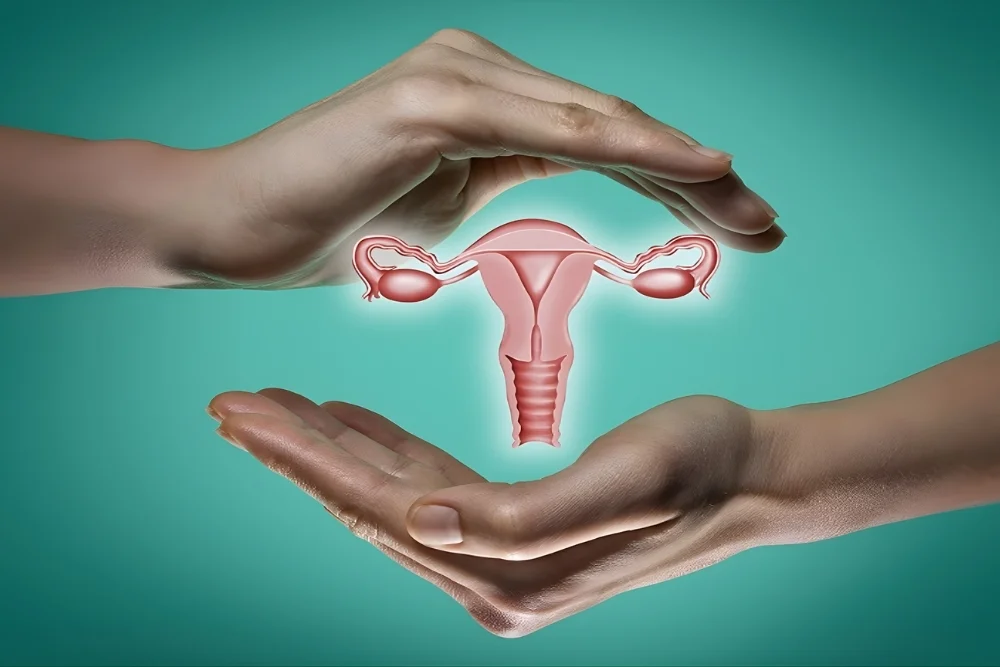
WHAT IS CERVICAL CANCER?
Cervical cancer occurs when the cells lining the cervix multiply abnormally. Most cervical cancers develop from squamous cells, though adenocarcinomas can also occur.
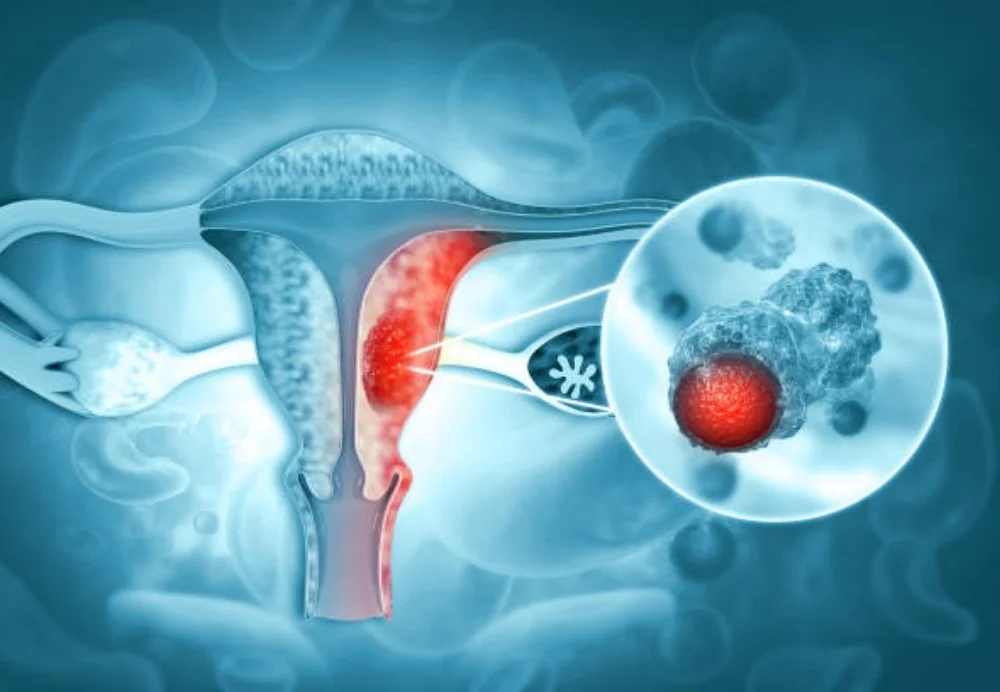
Tumors can initially remain confined to the cervix but may later involve lymph nodes, the uterus, vagina, or distant organs if untreated. Surgical management is key to achieving long-term control.
Abnormal vaginal bleeding
Bleeding between periods, after intercourse, or post-menopause.
Unusual discharge
Watery, bloody, or foul-smelling discharge.
Pelvic pain
Persistent discomfort or cramping in the lower abdomen.
Pain during intercourse
Dyspareunia may indicate disease progression.
STAGES OF CERVICAL CANCER
Cancer confined to the cervix; surgery often curative.
Tumor extends beyond cervix but not to pelvic wall; surgery with adjunct therapy is used.
Spread to pelvic wall, lower vagina, or lymph nodes; multimodal treatment required.
Distant metastasis to organs like bladder, liver, or lungs; treatment is palliative or multimodal.
TYPES OF CERVICAL CANCER
Squamous cell carcinoma: Most common; originates from cervical lining cells.
Squamous cell carcinoma
Most common; originates from cervical lining cells.
Adenocarcinoma
Arises from glandular cells; may require specialized surgical approaches.
Rare subtypes
Include adenosquamous or small-cell carcinomas, managed by specialized oncology teams.
HOW CERVICAL CANCER IS DIAGNOSED
Accurate diagnosis combines clinical assessment, imaging, and tissue confirmation:
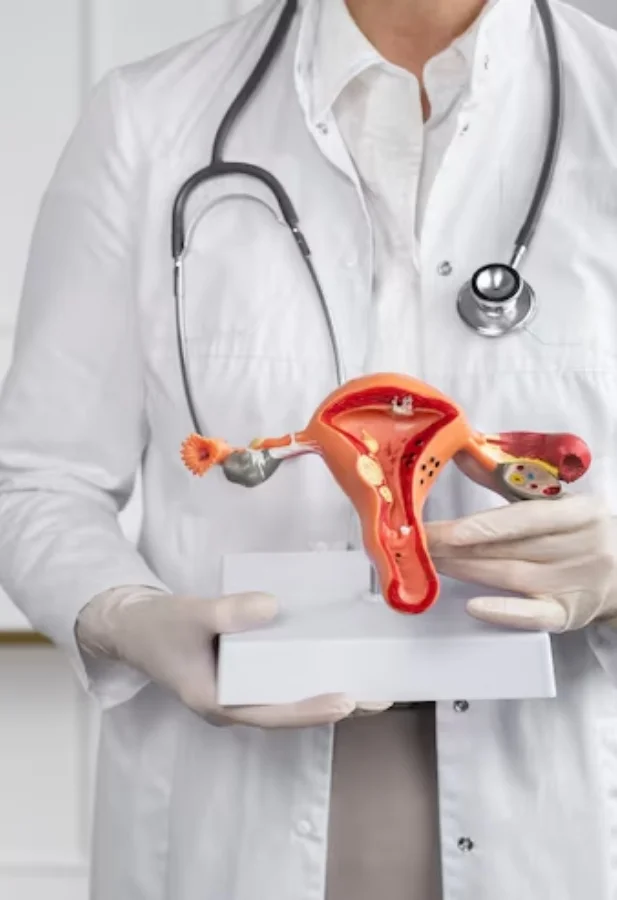
Colposcopy
Magnified visual inspection with biopsy for suspicious areas.
Biopsy
Confirms diagnosis, identifies tumor type and grade to guide treatment.
Imaging (MRI/CT/PET)
Evaluates tumor extent, lymph node involvement, and distant spread.
CAUSES & RISK FACTORS
Factors increasing vulva cancer risk include:

Persistent HPV infection
High-risk HPV strains (16, 18) are the primary cause.

Smoking
Tobacco-related chemicals elevate cancer risk.

Immunosuppression
Conditions like HIV reduce immune surveillance.

Family history & genetics
Rare inherited susceptibility may contribute.

Age
Risk increases after 30, with peak incidence between 40–50 years.

WHEN SURGERY IS REQUIRED
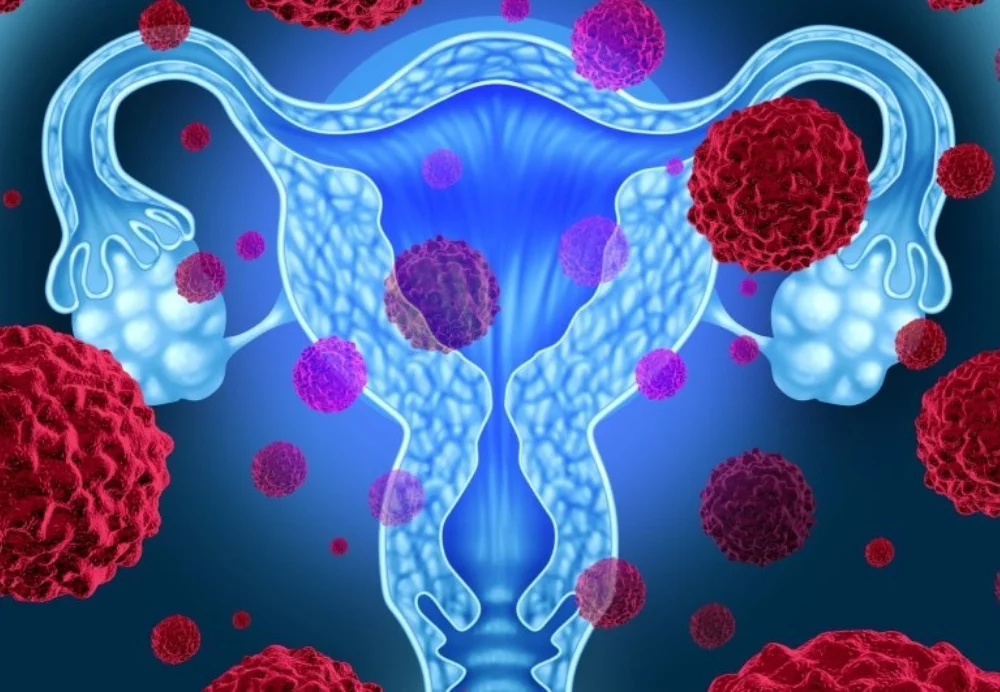
Surgery is the mainstay for early-stage cervical cancer. Early-stage tumors may be managed with radical hysterectomy or fertility-sparing trachelectomy when appropriate.
Advanced disease may require combined approaches, including lymph node dissection, pelvic exenteration in select cases, and adjunct therapies such as chemotherapy or radiotherapy. Surgical planning is tailored for optimal cancer control and preservation of pelvic function.
TREATMENT APPROACH TO CERVICAL CANCER
Treatment is multidisciplinary and patient-specific:
Surgery
Primary treatment for localized disease and staging.
Chemotherapy
Used pre- or post-surgery to reduce recurrence risk.
Multidisciplinary planning
Care sequenced to maximize effectiveness and minimize side effects.
Targeted therapy
For specific molecular tumor profiles.
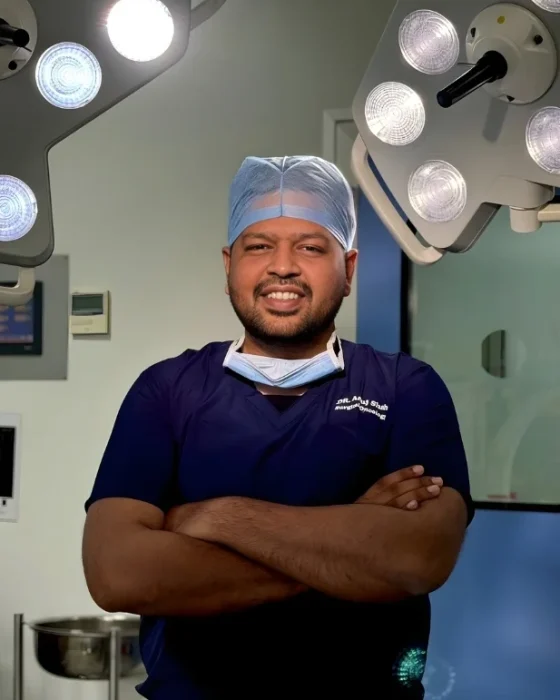
WHY CONSULT DR. ANUJ SHAH FOR CERVICAL CANCER CARE
Cervical cancer management requires precision, experience, and multidisciplinary coordination:
Oncologic surgical expertise
Experienced in gynecologic cancer surgeries with precision.
Individualized surgical planning
Treatment tailored to stage, tumor biology, and patient needs.
Minimally invasive techniques
Laparoscopic or fertility-sparing procedures where feasible.
Multidisciplinary coordination
Close collaboration with oncology, radiology, and pathology teams.
Patient-Focused Care
Ethical, transparent decisions and compassionate guidance throughout.
Focus on long-term outcomes
Emphasis on survival, recovery, and long-term quality of life.
Dr. Anuj believes that the best surgical approach is the one personalized to the patient, not a one size fits all method. Every decision is made with the aim of:

Maximum cancer clearance

Minimum complications

Better long-term quality of life

FAQs
Frequently Asked Questions
Yes, advanced cervical tumors may metastasize to lymph nodes, bladder, rectum, or distant organs.
In early-stage disease, fertility-sparing surgery like trachelectomy may be considered.
Chemotherapy is used in combination with surgery or radiotherapy in higher stages to reduce recurrence risk.
Recovery depends on procedure type; minimally invasive surgery allows shorter hospitalization, while extensive surgery requires structured follow-up.

Book a Consultation
Dr. Anuj Shah offers advanced cervical cancer surgery, personalized treatment planning, and compassionate guidance throughout the treatment journey.
Need Any Help? We’re There For You
If you or a loved one has been diagnosed with cervical cancer, early surgical evaluation can significantly improve outcomes.