
Colon Cancer Treatment in Ahmedabad
Advanced Colon Cancer Surgery
Advanced Colon Cancer Treatment for Better Outcomes
Comprehensive surgical care for colon cancer using modern techniques, precision, and compassionate support.
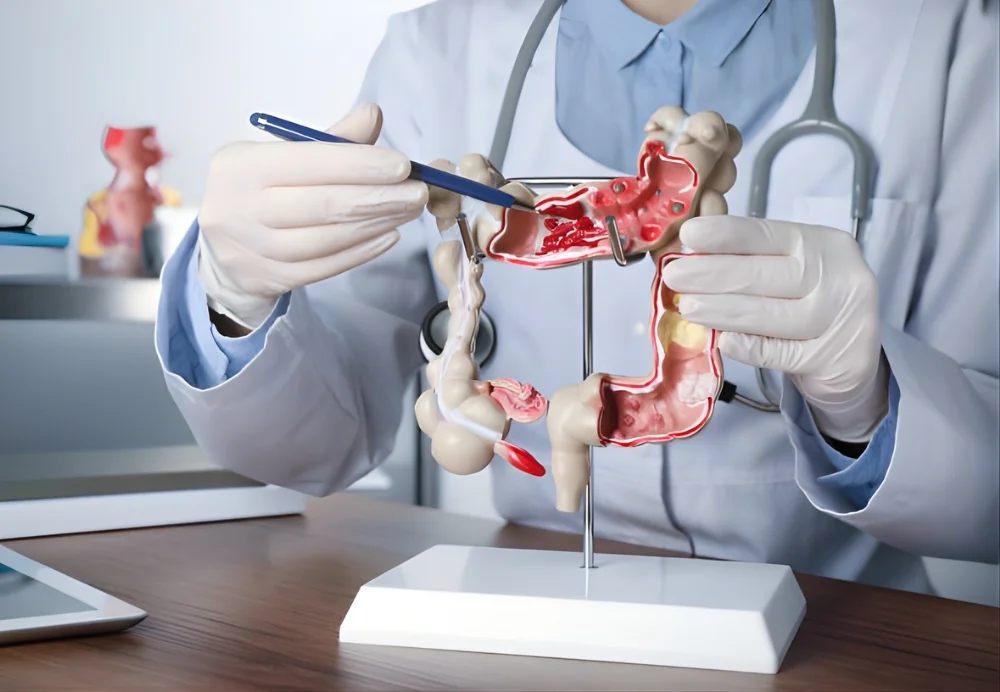
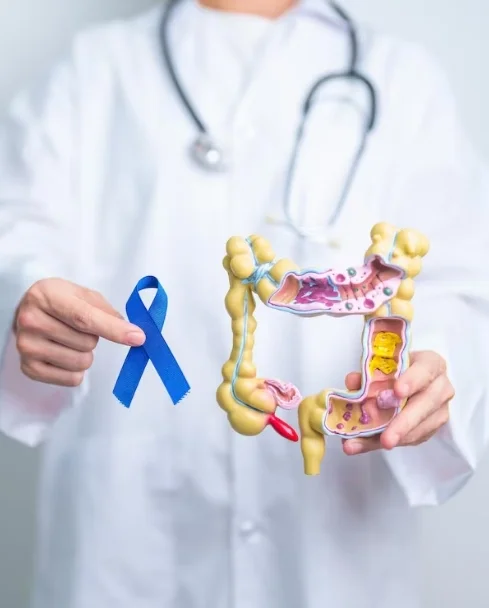
Colon cancer is a condition where normal cells lining the large intestine begin growing uncontrollably, forming abnormal tissue over time. This often starts with polyps small growths that may gradually transform into cancer through genetic changes. As the tumor grows, it can invade deeper bowel layers, involve lymph nodes, and spread to other organs if left untreated. Under the care of Dr. Anuj Suketu, colon cancer treatment is planned based on stage, patient health, and disease biology. The goal is complete cancer removal while maintaining bowel function and quality of life.
WHAT IS COLON CANCER?
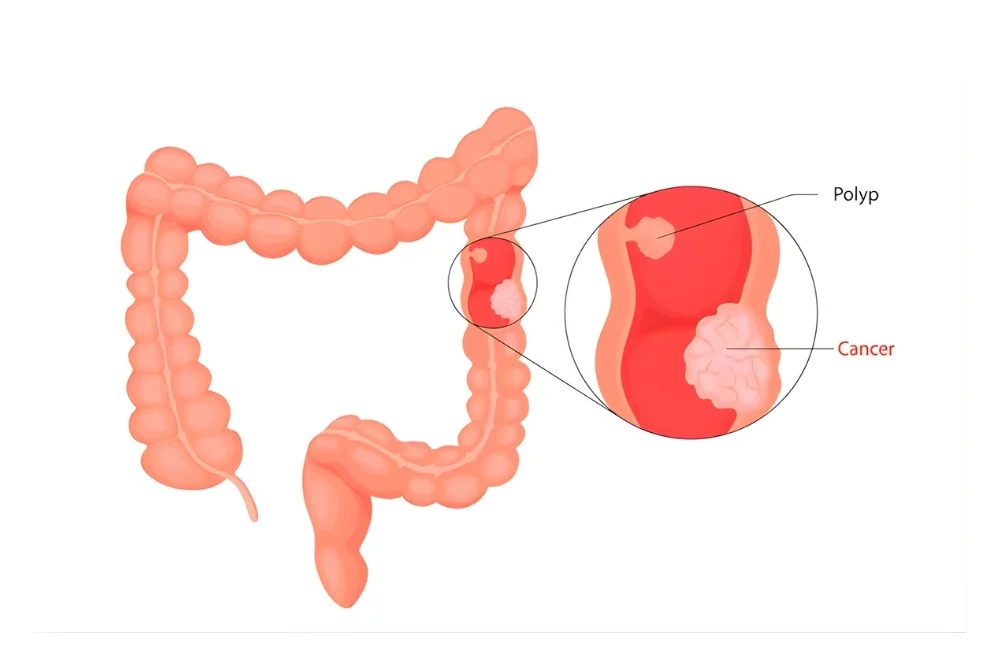
Colon cancer is a disease in which normal cells lining the large intestine begin to grow in an uncontrolled and disorganized manner. The inner lining of the colon is made up of rapidly renewing cells, and over time, genetic changes in these cells can disrupt normal growth control, allowing abnormal tissue to develop.
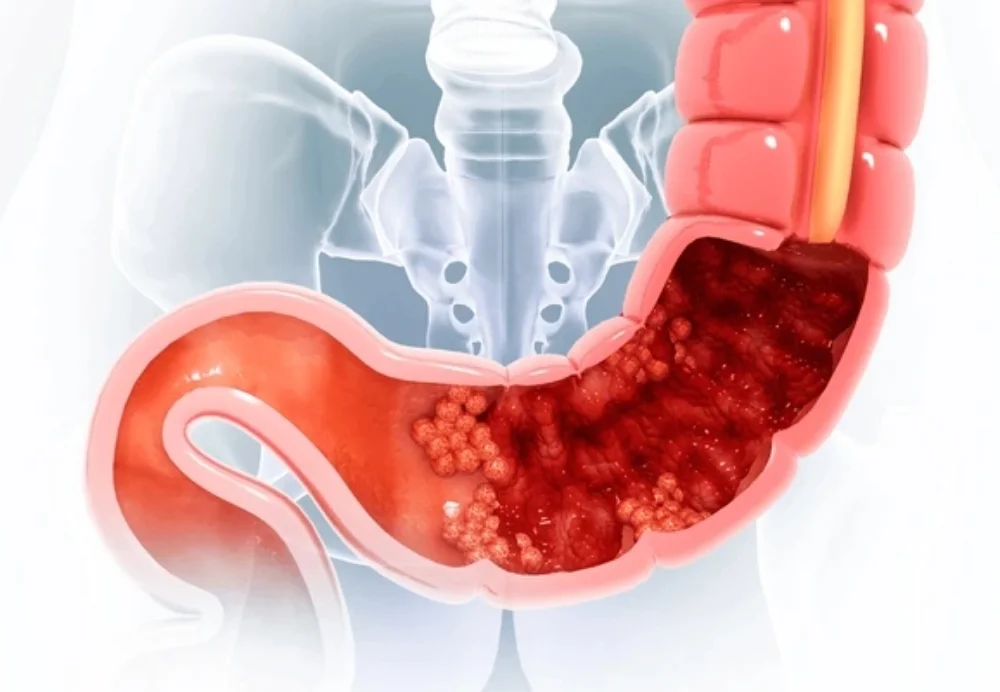
In many cases, this process begins with polyps: small, benign growths that form on the colon wall. While most polyps remain harmless, some acquire further genetic mutations and gradually transform into cancer. As the tumor grows, it can invade deeper layers of the bowel wall, involve nearby lymph nodes, and, if untreated, spread to distant organs through the bloodstream or lymphatic system.
Blood in the stool
Blood may appear mixed with the stool or coat its surface, sometimes causing darker or tarry stools due to bleeding higher in the colon.
Abdominal discomfort
Persistent pain, cramping, bloating, or a feeling of fullness that does not settle.
Change in bowel habits
Ongoing constipation, diarrhoea, or alternating patterns that differ from usual bowel routine.
Unexplained weight loss
Gradual weight loss despite maintaining normal appetite and eating habits.
STAGES OF COLON CANCER
Staging defines how far the disease has progressed and directly guides treatment planning and prognosis.
STAGE 1
Cancer is limited to the inner layers of the colon wall and has not spread beyond the bowel. Surgery alone is often curative at this stage.
STAGE 2
The tumor has grown through deeper layers of the colon wall but has not reached nearby lymph nodes. Treatment focuses on surgery, with chemotherapy considered in higher-risk cases.
STAGE 3
Cancer has spread to nearby lymph nodes, indicating regional disease. Treatment typically involves surgery followed by chemotherapy to reduce the risk of recurrence.
STAGE 4
Cancer has spread to distant organs or the peritoneum. Treatment aims to control disease, relieve symptoms, and, in selected cases, achieve long-term survival with advanced therapies.
TYPES OF COLON CANCER
Colon cancer is not a single disease. Different cell types behave differently and require personalized treatment approaches.
Adenocarcinoma
The most common type of colon cancer, developing from glandular cells that line the bowel. These grow gradually and are typically treated with surgery and chemotherapy.
Carcinoid tumours
Rare, slow-growing cancers arising from neuroendocrine cells in the colon. They may produce hormones and are managed based on size, location, and spread.
Lymphoma
An uncommon form of colon cancer that originates from lymphatic tissue within the bowel wall. Treatment usually involves chemotherapy rather than primary surgery.
HOW COLON CANCER IS DIAGNOSED
Accurate diagnosis relies on combining visual assessment, imaging, and tissue confirmation to ensure correct staging and safe treatment planning.

Colonoscopy
Allows direct inspection of the colon, identification of abnormal growths, and collection of tissue samples for microscopic examination.
Biopsy
Confirms the presence of cancer and identifies tumour type, grade, and biological features that influence treatment planning.
CT or MRI scans
Provide detailed images showing tumour size, depth of invasion, lymph node involvement, and spread to nearby or distant organs.
CAUSES & RISK FACTORS
While colon cancer may develop without a clear cause, several well-established factors increase risk and guide screening decisions.

Dietary Patterns
Diets low in fibre and high in red or processed meats increase exposure to cancer-promoting substances in the colon.

Obesity & Physical Inactivity
Excess body weight and sedentary lifestyle contribute to metabolic and inflammatory changes linked to cancer development.

Family History
Having a first-degree relative with colorectal cancer significantly raises individual risk, especially with early diagnosis.
Inherited Genetic Syndromes
Conditions like Lynch syndrome and familial adenomatous polyposis markedly increase lifetime cancer risk.
Increasing Age
The risk of colon cancer rises steadily after the age of 50, even without other contributing factors.
WHEN SURGERY IS REQUIRED
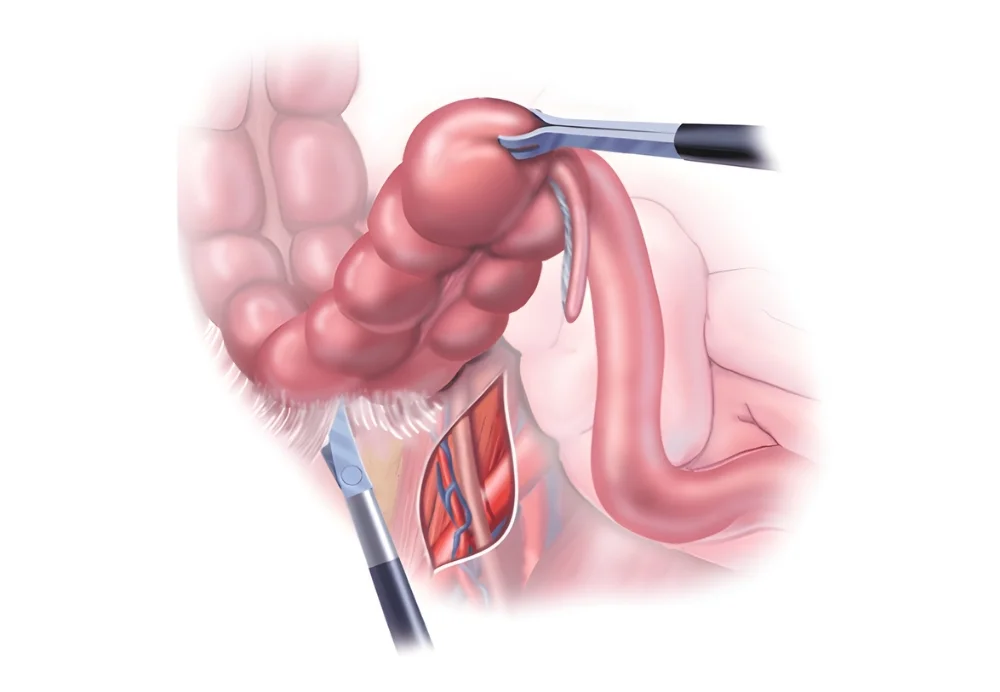
Surgery is the primary curative treatment for colon cancer. In early and locally advanced stages, a segmental colectomy removes the affected bowel segment along with nearby lymph nodes, ensuring complete disease clearance while preserving bowel continuity.
In selected advanced cases with peritoneal spread, cytoreductive surgery (CRS) combined with HIPEC allows removal of visible disease followed by heated chemotherapy within the abdomen. This approach targets microscopic residual cancer and can offer meaningful long-term control in carefully chosen patients.
WHY CONSULT DR. ANUJ SUKETU FOR COLON CANCER CARE
Colon cancer treatment requires precision, experience, and collaboration across specialties, all of which are central to Dr. Anuj's care model.
Minimally invasive techniques reduce pain, shorten hospital stay, and support quicker return to daily activities.
Specialized treatment options are available for selected patients with peritoneal spread of colon cancer.
Each case is reviewed by surgeons, oncologists, radiologists, and pathologists to ensure balanced, evidence-based decisions.
Care is led by a dedicated gastrointestinal and colorectal cancer surgeon with focused experience in complex disease.
Detailed evaluation ensures surgical plans are personalized to disease stage, patient health, and long-term outcomes.
Rehabilitation, nutritional guidance, and surveillance are planned early to support safe recovery and ongoing cancer monitoring.
Dr. Anuj believes that the best surgical approach is the one personalized to the patient, not a one size fits all method. Every decision is made with the aim of:

Maximum cancer clearance

Minimum complications

Better long-term quality of life
FAQs
Frequently Asked Questions
Yes, colon cancer can spread through the bloodstream or lymphatic system, most commonly to the liver, lungs, or peritoneum. That is why staging and imaging are critical before treatment decisions.
Transplantation is not routine. In very select cases with isolated liver involvement, advanced liver-directed strategies may be considered within specialized centres.otic surgery depends on the tumor’s size, location, and complexity, ensuring safe and effective cancer removal.
HIPEC is used in selected patients with secondary peritoneal spread, combined with cytoreductive surgery, when disease biology and patient fitness allow for aggressive treatment.
Recovery varies by procedure and patient health. Minimally invasive surgery shortens hospital stay, while complex surgeries require structured rehabilitation and close follow-up.weeks, while complex surgeries may take longer.
Book a Consultation
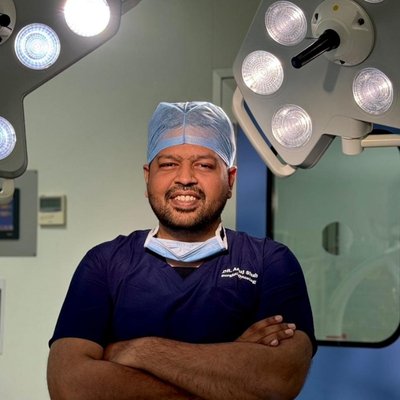
Dr. Anuj offers advanced colon cancer surgery, personalized treatment planning, and compassionate guidance throughout the treatment journey.
Need Any Help? We’re There For You
If you or a loved one has been diagnosed with colon cancer, early surgical evaluation can significantly improve outcomes.