
Esophagus Cancer Treatment In Ahmedabad
Advanced Esophageal Cancer Surgery
Advanced Esophageal Cancer Treatment for Better Outcomes
Comprehensive surgical care for esophageal cancer using modern techniques, precision, and compassionate support.
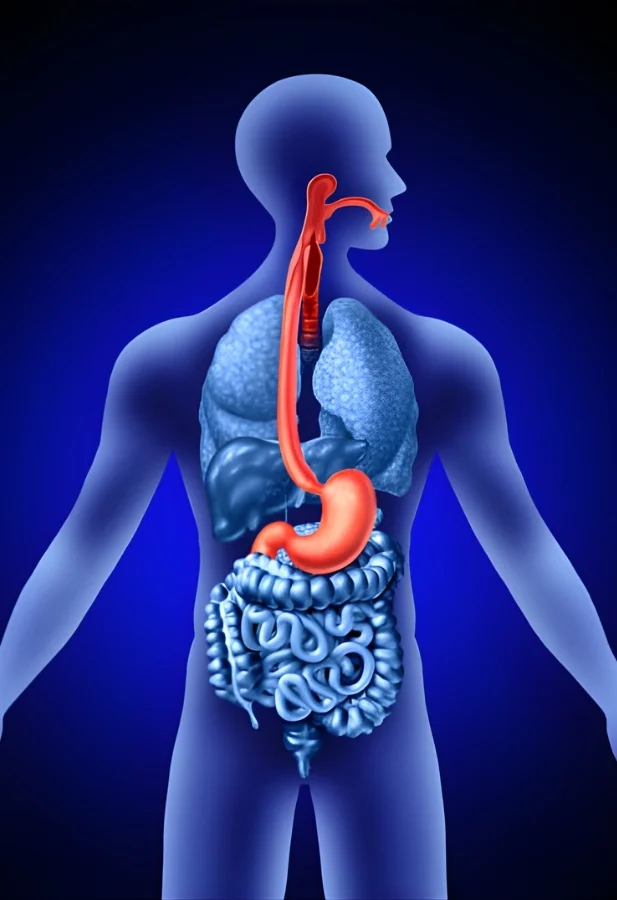
Esophageal cancer is a condition in which abnormal cells develop in the lining of the esophagus the muscular tube that carries food from the mouth to the stomach. These cancerous cells grow uncontrollably over time and may spread to nearby tissues or distant organs if not treated early. Under the care of Dr. Anuj, esophageal cancer treatment is planned based on the stage of disease, tumor location, and overall patient health. The primary goal is complete cancer removal while preserving swallowing function and improving long-term quality of life.
WHAT IS ESOPHAGUS CANCER?
Esophagus cancer develops when the cells lining the esophagus undergo genetic changes that disrupt normal growth control. Over time, these abnormal cells multiply and form a tumor that can narrow the esophageal passage and interfere with swallowing.
As the tumor progresses, it may invade deeper layers of the esophageal wall, spread to nearby lymph nodes, or travel to distant organs through the bloodstream or lymphatic system. Early diagnosis and timely surgical intervention play a crucial role in improving outcomes.
Difficulty Swallowing
A sensation of food sticking in the chest or throat, especially with solid foods.
Unintentional Weight Loss
Weight loss due to reduced food intake or difficulty swallowing.
Chest Discomfort or Pain
Pain, pressure, or burning sensation behind the breastbone.
Fatigue and weakness
Often related to poor nutrition or anemia.
STAGES OF ESOPHAGUS CANCER
Staging determines how far the cancer has spread and helps guide treatment decisions.
Cancer is limited to the inner layers of the esophagus. Surgery can be curative at this stage.
The tumor has grown into deeper layers but may not have reached lymph nodes. Surgery with additional therapy may be recommended.
Cancer has spread to nearby lymph nodes or surrounding structures. Treatment usually involves a combination of chemotherapy, radiation, and surgery.
Cancer has spread to distant organs. Treatment focuses on disease control, symptom relief, and improving quality of life, with surgery considered in selected cases.
TYPES OF ESOPHAGUS CANCER
Esophageal cancer includes different types based on the cells involved, each requiring a tailored treatment approach.
Adenocarcinoma
Develops from glandular cells, commonly in the lower esophagus, often associated with long-standing acid reflux.
Squamous cell carcinoma
Arises from the flat cells lining the esophagus, more commonly affecting the upper or middle portions.
Rare tumors
Include neuroendocrine tumors and sarcomas, which require specialized evaluation and management.
HOW ESOPHAGUS CANCER IS DIAGNOSED
Accurate diagnosis involves a combination of endoscopic evaluation, imaging, and tissue confirmation.
Upper endoscopy
Allows direct visualization of the esophagus and biopsy of suspicious areas.
Biopsy
Confirms cancer type, grade, and biological characteristics essential for treatment planning.
CT or PET scans
Assess tumor size, lymph node involvement, and spread to other organs.
CAUSES & RISK FACTORS
Esophagus cancer may develop due to several known risk factors.

Chronic acid reflux
Long-standing GERD can damage the esophageal lining over time.

Obesity & Physical Inactivity
Increases risk by promoting acid reflux and inflammation.
Smoking & Alcohol
Major risk factors, especially for squamous cell carcinoma.
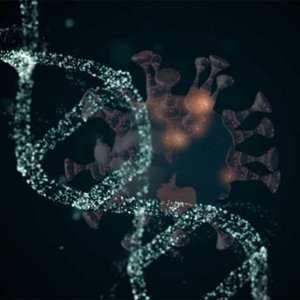
Dietary Factors
Low intake of fruits and vegetables may contribute to risk.
Age & Gender
Risk increases with age and is more common in males.
WHEN SURGERY IS REQUIRED
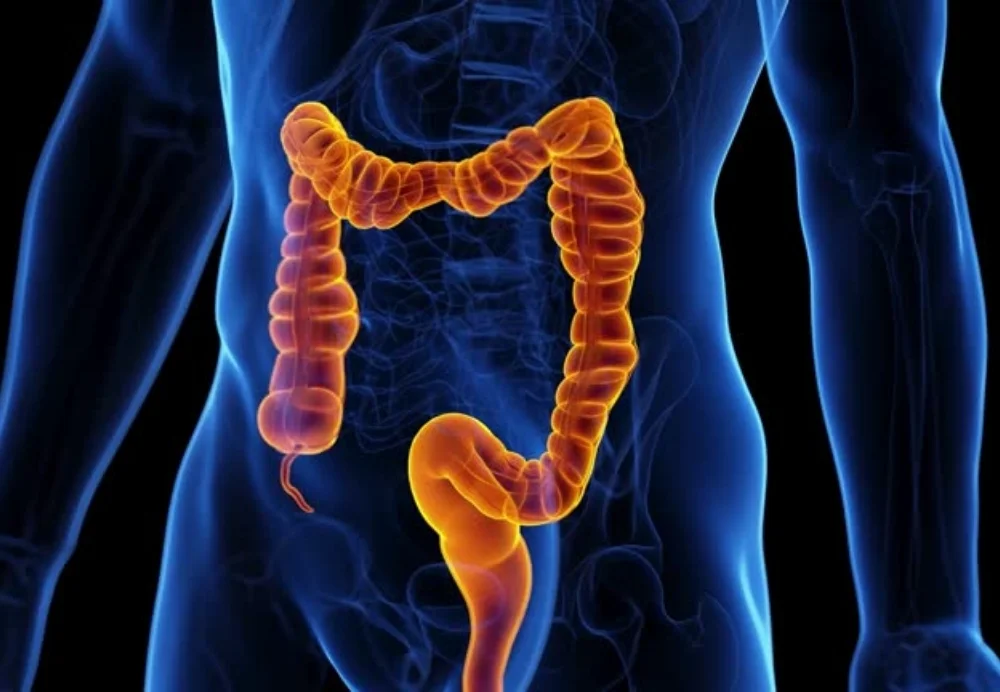
Surgery is a key component of treatment for esophageal cancer when the disease is localized or locally advanced. Esophagectomy involves removal of the cancer-affected portion of the esophagus along with nearby lymph nodes, followed by reconstruction to restore the swallowing pathway.
In selected cases, surgery may be combined with chemotherapy or radiation therapy before or after the procedure to improve outcomes. Careful patient selection and surgical planning are essential to ensure safety and long-term benefit.
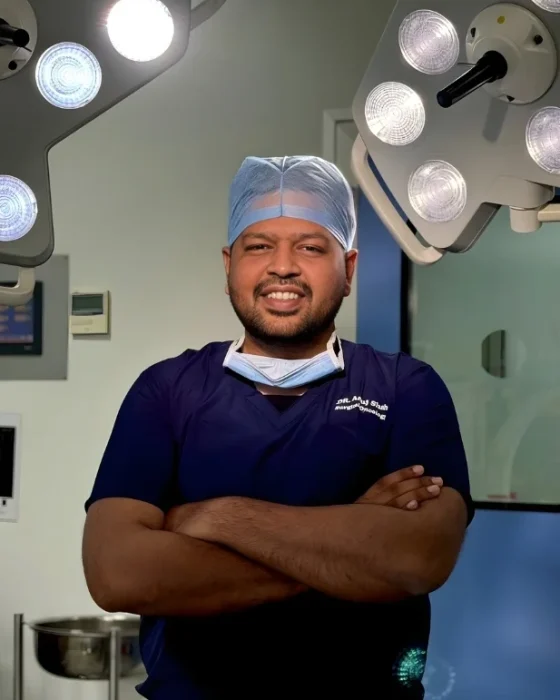
WHY CONSULT DR. ANUJ SHAH FOR ESOPHAGUS CANCER CARE?
Esophageal cancer surgery requires high-level expertise, precision, and multidisciplinary coordination.
Specialized oncologic training
Experienced in managing complex gastrointestinal cancers.
Advanced surgical planning
Personalized approach based on tumor location and stage.
Minimally invasive expertise
Laparoscopic techniques used where appropriate to reduce recovery time.
Multidisciplinary coordination
Collaboration with oncologists, radiologists, and nutrition specialists.
Patient-Focused Care
Clear communication, ethical decision-making, and long-term follow-up.
Commitment to long-term quality of life
Ensures complete cancer removal while preserving swallowing function, nutrition, and overall post-surgical well-being.
Dr. Anuj believes that the best surgical approach is the one personalized to the patient, not a one size fits all method. Every decision is made with the aim of:

Maximum cancer clearance

Minimum complications

Better long-term quality of life
FAQs
Frequently Asked Questions
Yes, when detected early or at a resectable stage, surgery offers the best chance for cure.
Most patients regain the ability to eat, although dietary adjustments and recovery time are required.
Chemotherapy or radiation may be recommended depending on cancer stage and tumor biology.
Recovery varies, but most patients require several weeks of structured rehabilitation and nutritional support.
Book a Consultation
Dr. Anuj offers advanced esophagus cancer surgery, individualized treatment planning, and compassionate support throughout the cancer journey.
Need Any Help? We’re There For You
If you or a loved one has been diagnosed with esophageal cancer, early expert evaluation can significantly improve outcomes.