

Gall Bladder Cancer Treatment in Ahmedabad
Advanced Gall Bladder Cancer Surgery
Advanced Gallbladder Cancer Surgery for Better Outcomes
Comprehensive surgical care for gallbladder cancer with precision, expertise, and compassionate support.
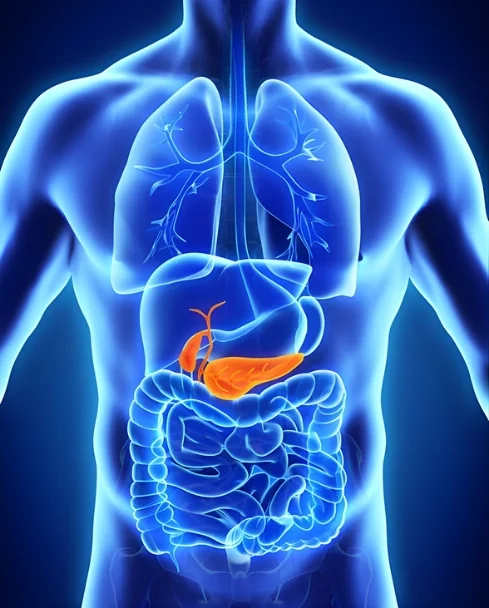
Gallbladder cancer is a rare but aggressive malignancy that often develops silently and is diagnosed at an advanced stage. The gallbladder plays an important role in digestion by storing bile, and tumors in this organ can spread quickly to nearby liver tissue and lymph nodes. Under the care of Dr. Anuj, gallbladder cancer treatment is carefully planned based on tumor stage, spread, and overall patient health. The focus is on complete tumor removal while preserving surrounding structures and ensuring the best possible long-term outcomes.
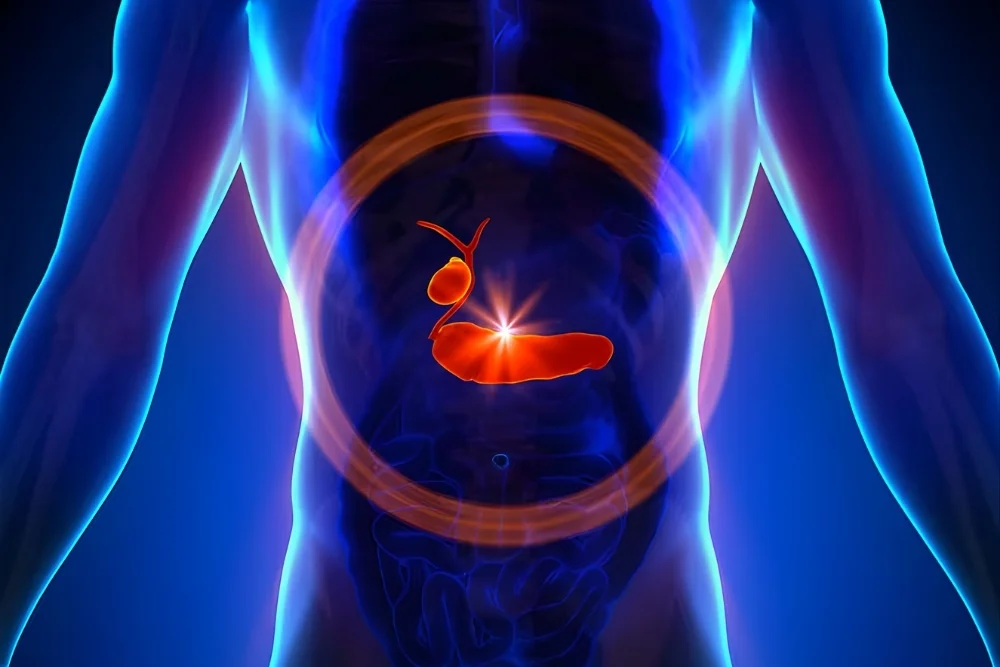
WHAT IS GALL BLADDER CANCER?
Gallbladder cancer occurs when abnormal cells in the gallbladder begin to grow uncontrollably, forming a tumor. Due to its location and lack of early symptoms, the disease is often detected incidentally during imaging or surgery for gallstones.
Early diagnosis significantly improves treatment options, allowing for surgical removal before the cancer spreads to nearby organs such as the liver or bile ducts.
Abdominal pain
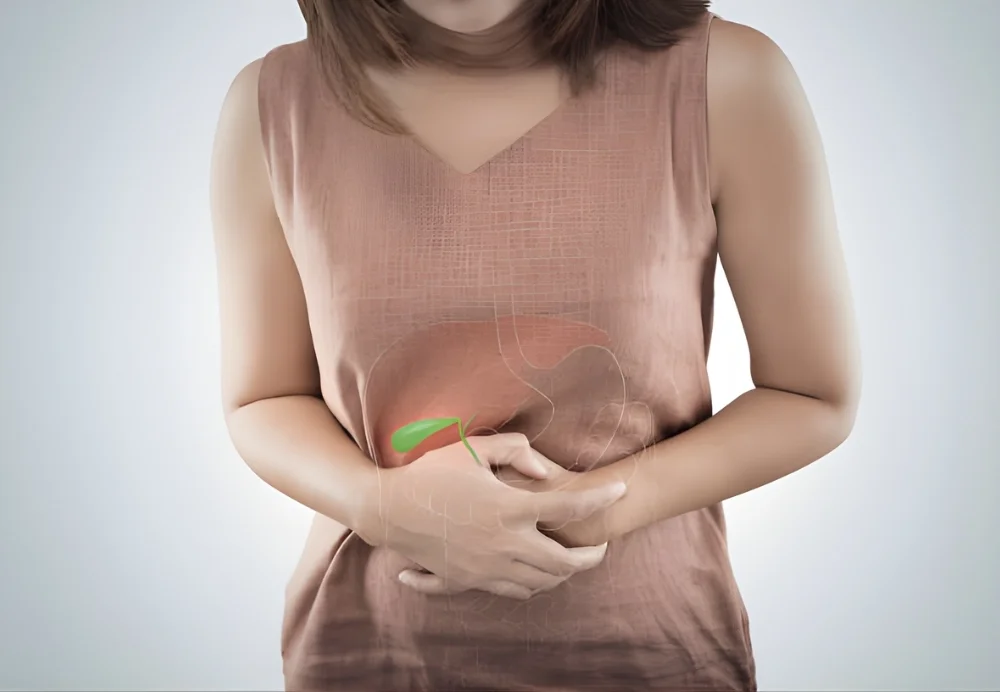
Persistent discomfort in the upper right abdomen.
Nausea or vomiting
Digestive disturbances that may worsen over time.
Unexplained weight loss
Gradual weight loss without dietary changes.
Jaundice
Yellowing of skin and eyes due to bile duct obstruction.
STAGES OF GALLBLADDER CANCER
Staging helps determine the extent of cancer spread and guides treatment decisions:
Cancer is confined to the inner layers of the gallbladder.
Tumor has grown into deeper layers but has not spread outside the gallbladder.
Cancer extends to nearby organs such as the liver or lymph nodes.
Advanced spread to distant organs or extensive local invasion.
TYPES OF GALLBLADDER CANCER
Different types of gallbladder cancer vary in behavior and treatment approach:
Adenocarcinoma
The most common type, arising from glandular cells lining the gallbladder.
Squamous cell carcinoma
Less common and often more aggressive.
Neuroendocrine tumors
Rare tumors with variable growth patterns.
HOW GALLBLADDER CANCER IS DIAGNOSED
Diagnosis involves imaging and laboratory evaluation to confirm and stage the disease:
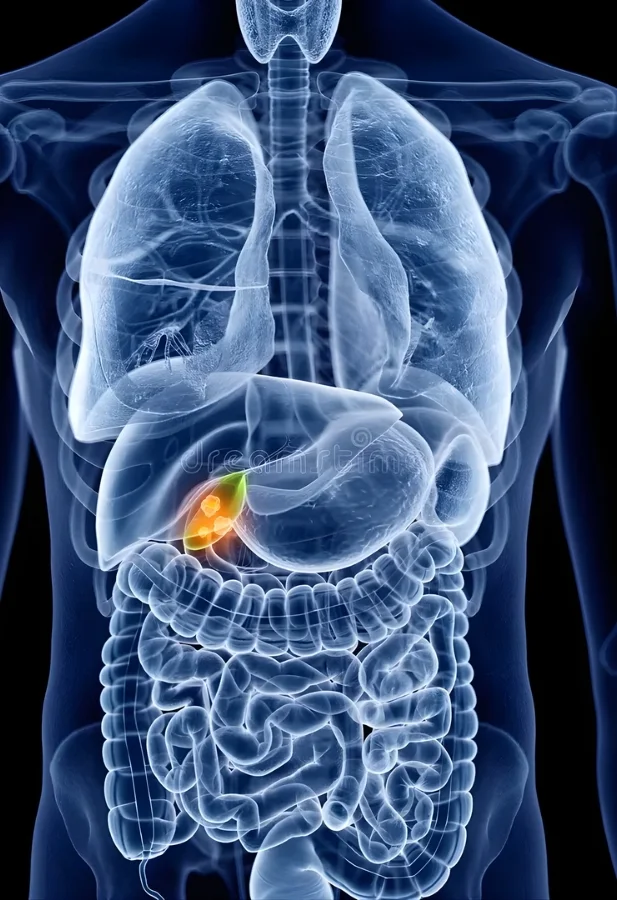
Ultrasound and CT scans
Detect gallbladder abnormalities and tumor spread.
MRI
Provides detailed imaging of bile ducts and surrounding structures.
Blood tests
Liver function tests and tumor markers support diagnosis and monitoring.
CAUSES & RISK FACTORS
Several factors may increase the risk of gallbladder cancer:
Gallstones
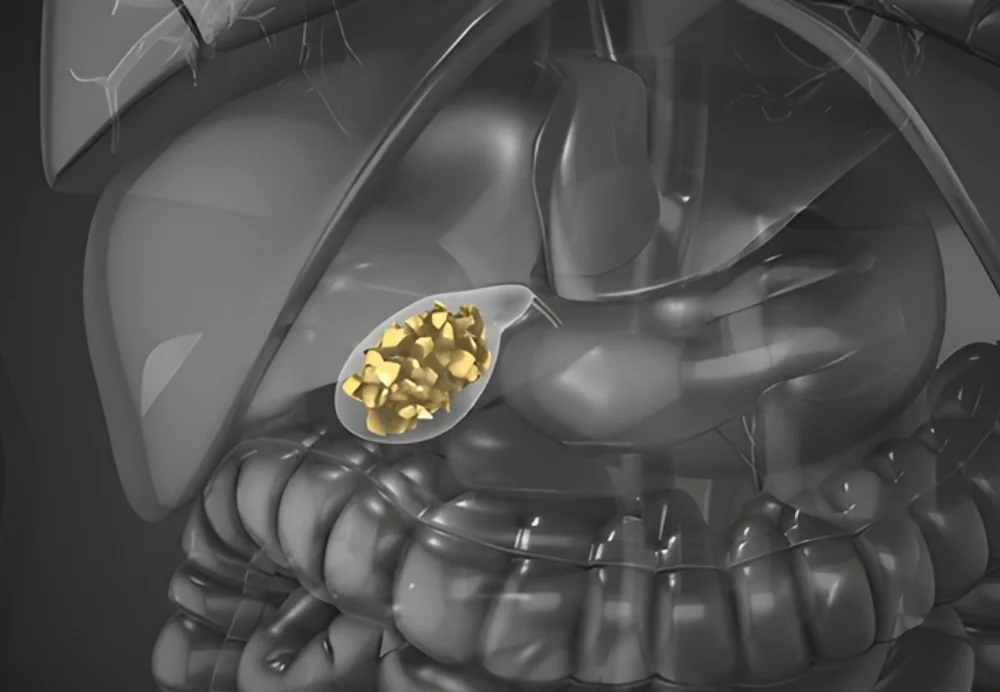
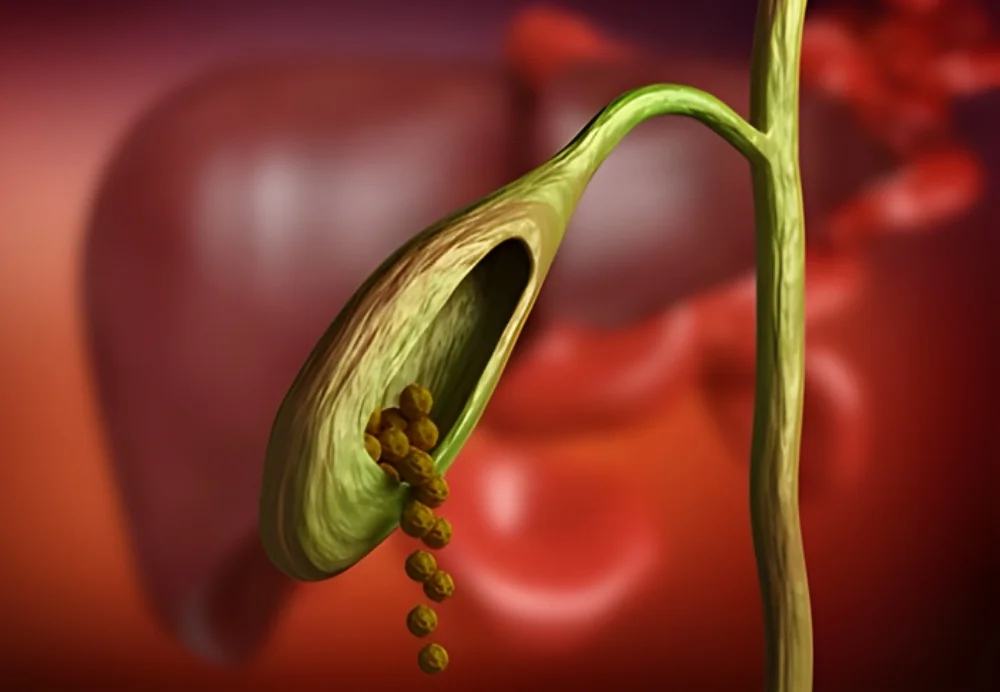
Chronic irritation from gallstones is a major risk factor.
Chronic inflammation
Long-standing inflammation of the gallbladder increases cancer risk.

Obesity
Associated with higher risk of gallbladder disease and cancer.
Age and gender
More common in older individuals and females.

Family history
Genetic factors may play a role in some cases.
WHEN SURGERY IS REQUIRED
Surgery is the primary and most effective treatment for gallbladder cancer, especially in early and localized stages. Procedures may include cholecystectomy (gallbladder removal) along with removal of surrounding liver tissue and lymph nodes when necessary to ensure complete tumor clearance.
In more advanced cases, surgery may be combined with chemotherapy or other therapies to improve outcomes. Early surgical intervention offers the best chance of long-term survival and disease control.
TREATMENT APPROACH TO GALLBLADDER CANCER
Treatment is personalized and often involves a multidisciplinary approach:
Surgery
Removal of the gallbladder and affected surrounding tissues.
Chemotherapy
Used to reduce recurrence risk or manage advanced disease.
Radiation therapy
May be used in selected cases for local control.
Targeted therapy
Considered in advanced cases based on tumor characteristics.
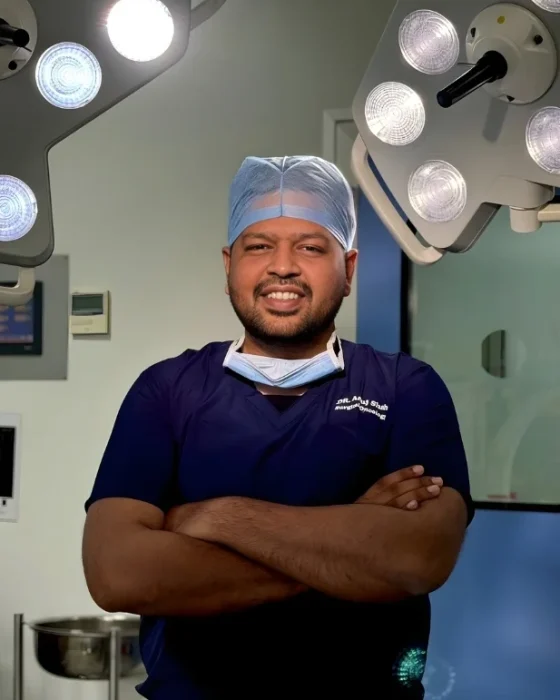
WHY CONSULT DR. ANUJ SHAH FOR GALLBLADDER CANCER CARE?
Gallbladder cancer surgery requires precision, experience, and a well-coordinated treatment approach:
Oncologic surgical expertise
Specialized experience in hepatobiliary and gastrointestinal cancers.
Individualized surgical planning
Personalized treatment based on tumor stage and patient condition
Advanced surgical techniques
Focus on safe and effective tumor removal.
Multidisciplinary coordination
Collaboration with oncology, radiology, and pathology teams.
Patient-Focused Care
Clear communication and ethical decision-making throughout treatment.
Focus on long-term outcomes
Emphasis on survival, recovery, and quality of life.
Dr. Anuj believes that the best surgical approach is the one personalized to the patient, not a one size fits all method. Every decision is made with the aim of:

Maximum cancer clearance

Minimum complications

Better long-term quality of life
FAQs
Frequently Asked Questions
It can be curable if detected early and treated with complete surgical removal.
It is often detected incidentally, but imaging tests can help identify it earlier in some cases.
Surgery is the main treatment, but advanced cases may require additional therapies.
Recovery depends on the extent of surgery, but most patients gradually regain normal activity over time.
Book a Consultation
Dr. Anuj Shah provides advanced surgical care, personalized treatment planning, and compassionate guidance at every step.
Need Any Help? We’re There For You
If you or a loved one has been diagnosed with gallbladder cancer, early specialist evaluation can improve outcomes