

Best HIPEC Treatment in Ahmedabad
Advanced, Targeted Treatment for Peritoneal Surface Cancers
Advanced HIPEC Treatment for Peritoneal Cancer
An advanced and highly specialized cancer treatment designed for patients with cancers that have spread to the lining of the abdominal cavity (peritoneum).
Hyperthermic Intraperitoneal Chemotherapy (HIPEC) is an advanced and highly specialized cancer treatment designed for patients with cancers that have spread to the lining of the abdominal cavity (peritoneum). This approach combines extensive tumor-removal surgery with direct, heated chemotherapy delivery, targeting cancer cells at their source. HIPEC allows oncologists to treat peritoneal disease more aggressively and precisely, offering selected patients improved disease control, reduced recurrence risk, and better long-term outcomes compared to systemic chemotherapy alone.
WHAT IS HIPEC?
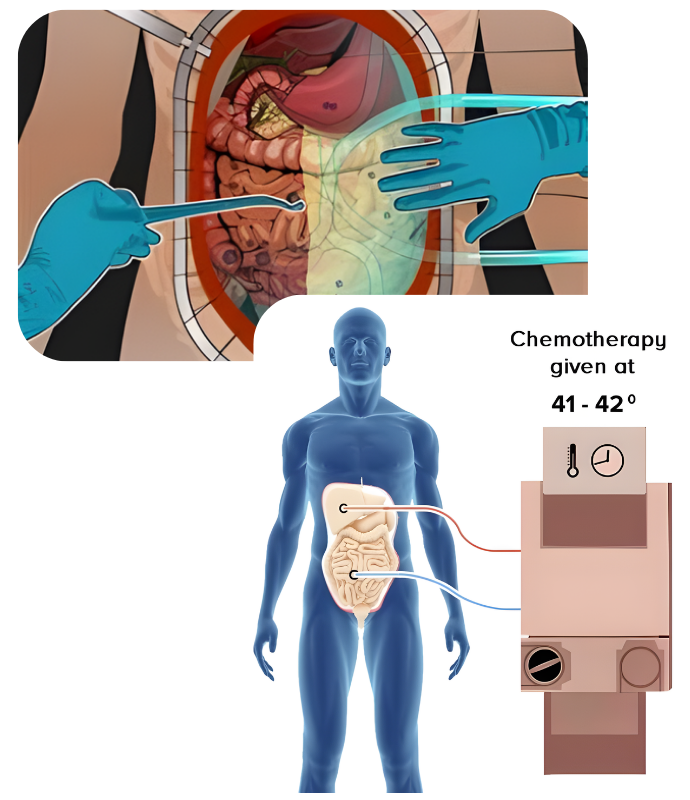
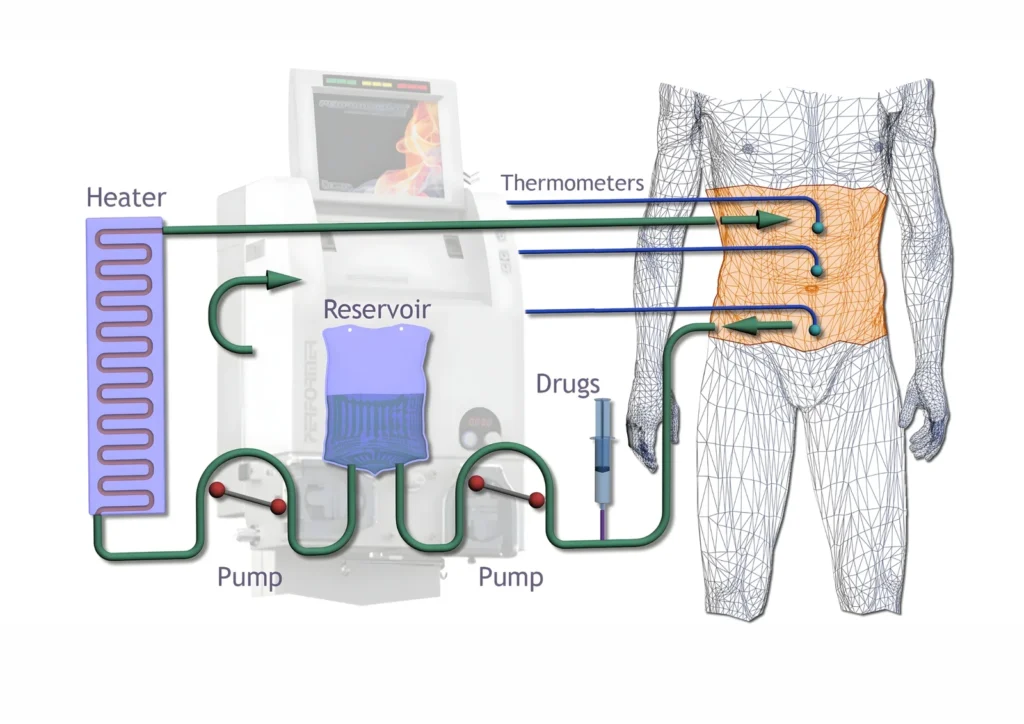
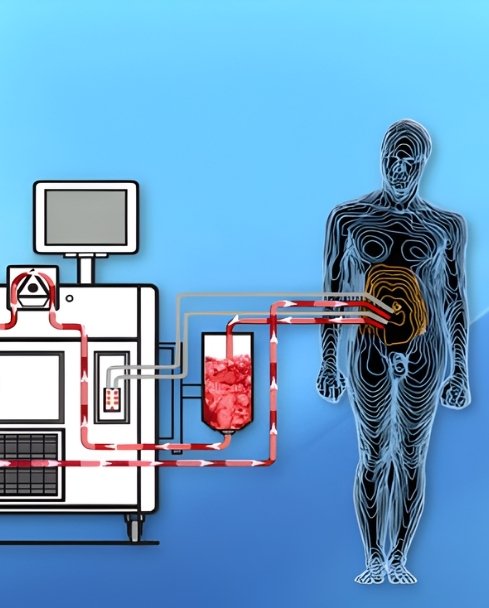
HIPEC is a procedure performed immediately after cytoreductive surgery, during which heated chemotherapy is circulated throughout the abdominal cavity before surgical closure.
Unlike intravenous chemotherapy, HIPEC delivers high concentrations of anticancer drugs directly to the affected surfaces, allowing better penetration into residual microscopic cancer cells while minimizing exposure to the rest of the body.
The heat enhances the effectiveness of chemotherapy by increasing cancer cell sensitivity and improving drug absorption at the cellular level.
WHEN IS HIPEC RECOMMENDED?
HIPEC is recommended for carefully selected patients whose cancer is primarily confined to the peritoneal surfaces and can be surgically reduced to minimal disease.
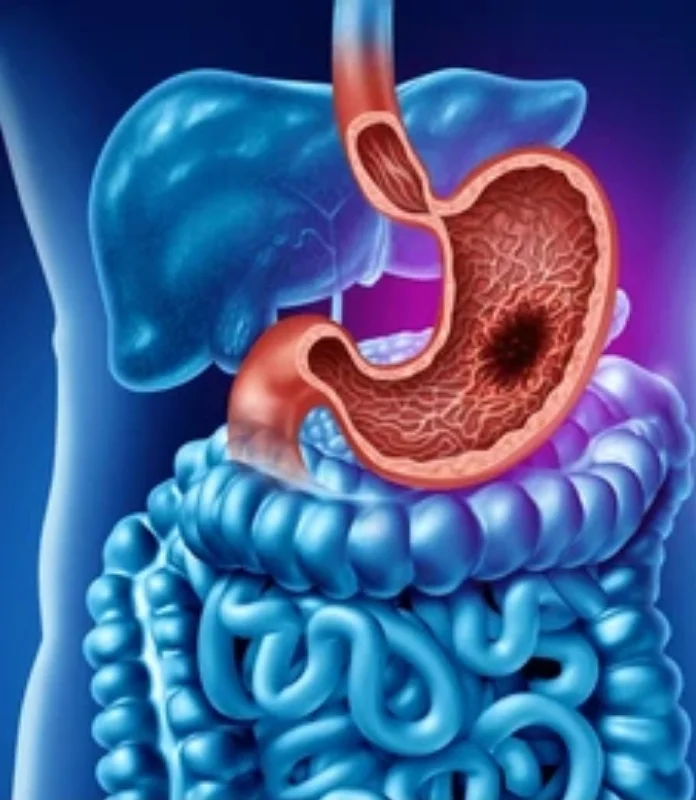
Peritoneal metastasis from colorectal or gastric cancers
Appendiceal tumors, including pseudomyxoma peritonei
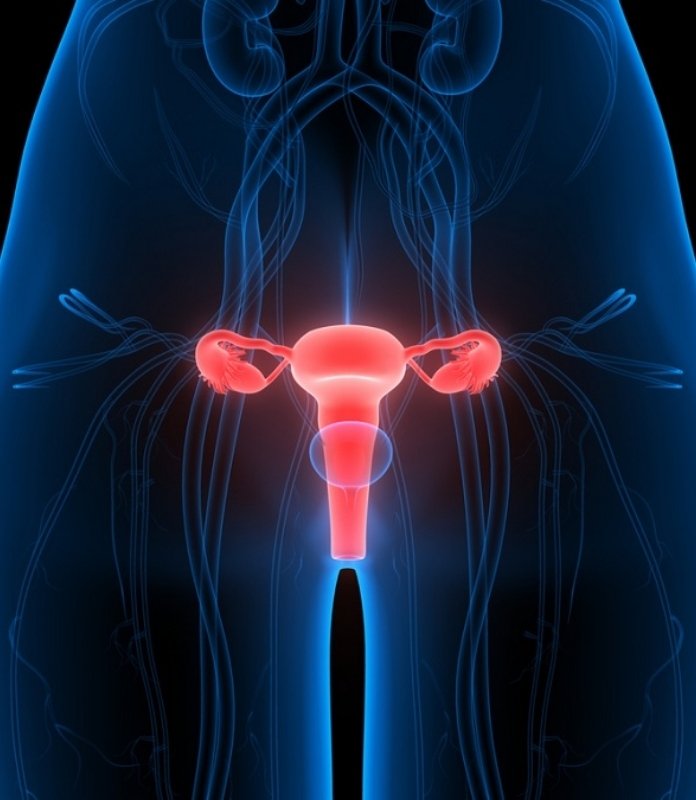
Advanced or recurrent ovarian cancer in selected cases
Peritoneal mesothelioma
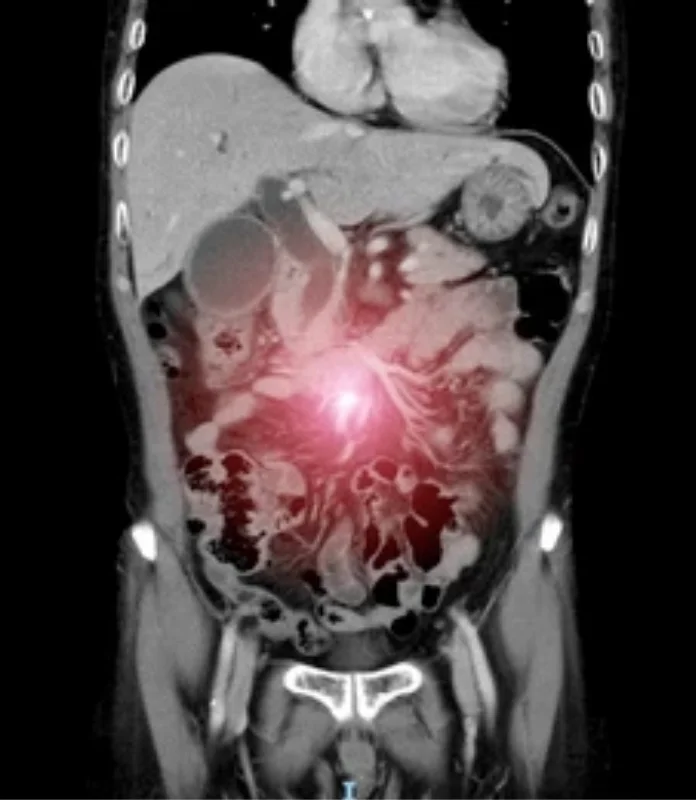
Limited peritoneal spread
TYPES OF CANCERS TREATED WITH HIPEC
HIPEC is part of a comprehensive, multidisciplinary treatment strategy for specific abdominal cancers.
PROCEDURE DETAILS AND APPROACHES
HIPEC is performed in a single operative session under general anesthesia and involves two integrated treatment phases.
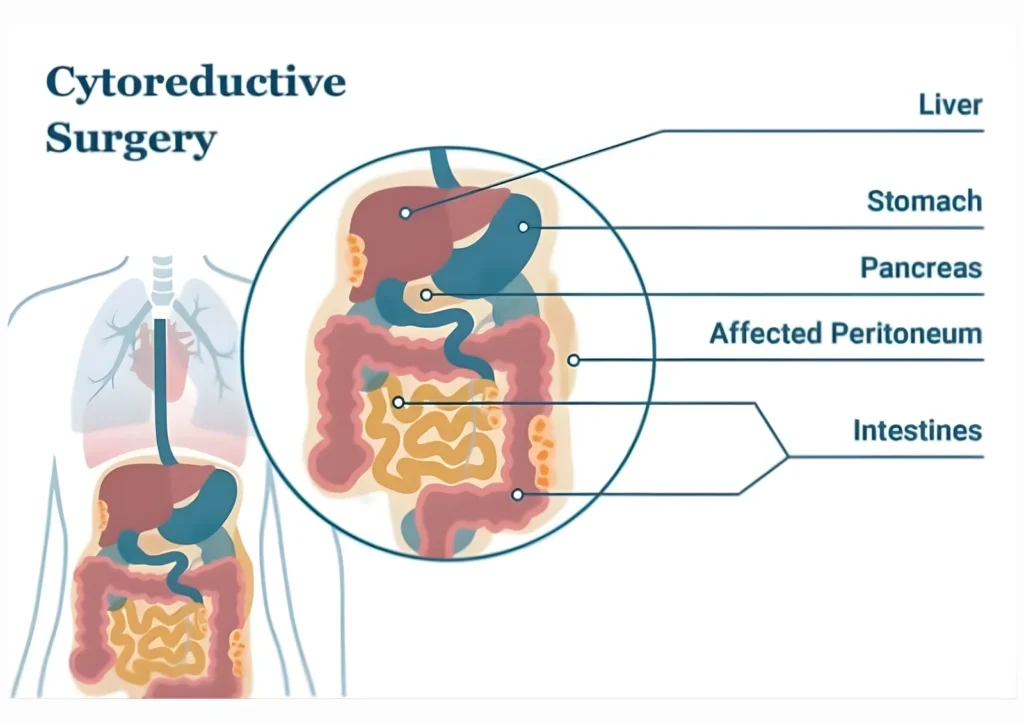
Cytoreductive Surgery (CRS)
Removal of all visible tumor deposits from the abdominal cavity
May include resection of affected organs or peritoneal surfaces
Objective is to achieve minimal or no visible residual disease
The success of HIPEC largely depends on the completeness of tumor removal during this stage.
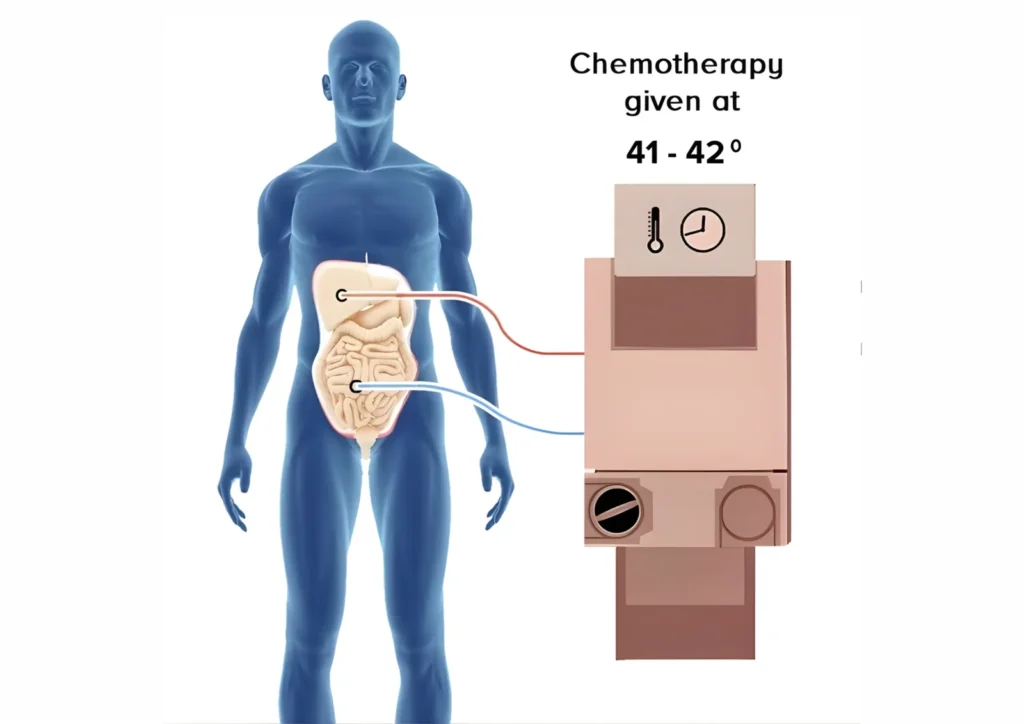
Heated Chemotherapy Circulation
Chemotherapy solution heated to 41–43°C
Circulated within the abdomen for 60–90 minutes
Continuous movement ensures uniform drug distribution
Heat enhances chemotherapy effectiveness by damaging cancer cells and increasing drug penetration.
Targeted Local Therapy Advantage
High local drug concentration at tumor sites
Limited systemic absorption and toxicity
Improved effectiveness against microscopic residual disease
BENEFITS OF HIPEC
Enhanced destruction of residual cancer cells
Improved penetration of chemotherapy due to heat
Lower systemic toxicity compared to IV chemotherapy
Single-session treatment combined with surgery
Experience, Expertise, & Compassion
You Can Trust
Specialized Oncologic Training
Trained in surgical oncology with focused expertise in advanced cytoreductive surgery and HIPEC procedures.
Experience with Peritoneal Malignancies
Skilled in managing complex peritoneal cancers, including ovarian, gastrointestinal, and mesothelioma-related cases.
Global Exposure
Familiar with international best practices and innovations in intraperitoneal chemotherapy from training in India and the USA.
Minimally Invasive Expertise
Proficient in combining cytoreductive surgery with HIPEC for optimal tumor removal and minimal impact on patient recovery.
Dr. Anuj believes that the best surgical approach is the one personalized to the patient, not a one size fits all method. Every decision is made with the aim of:

Maximum cancer clearance

Minimum complications

Better long-term quality of life
FAQs
Frequently Asked Questions
HIPEC aims to eliminate microscopic cancer cells remaining after surgical tumor removal.
No, it is suitable only for selected patients after detailed evaluation.
When performed in experienced centers, HIPEC is safe with manageable risks.
CRS and HIPEC together may take several hours depending on disease extent.
Some patients may require additional systemic therapy based on pathology results.

Book a Consultation
Dr. Anuj offers expert guidance, minimally invasive treatment, and compassionate care throughout the process.
Need Any Help? We’re There For You
HIPEC offers a powerful treatment option for selected patients with peritoneal malignancies.