Liver Cancer Treatment in Ahmedabad
Advanced Liver Cancer Surgery
Advanced Liver Cancer Surgery for Better Outcomes
Advanced Liver Cancer Surgery for Better Outcomession, and compassionate support.
Liver cancer develops when abnormal cells within the liver begin to grow uncontrollably, forming tumors that may interfere with the organ’s vital functions. The liver plays a crucial role in metabolism, detoxification, and digestion, making early diagnosis and expert treatment essential. Under the care of Dr. Anuj, liver cancer treatment is carefully planned based on tumor size, stage, liver function, and overall patient health. The goal is complete tumor removal while preserving as much healthy liver tissue as possible to maintain long-term function and quality of life.
WHAT IS LIVER CANCER?
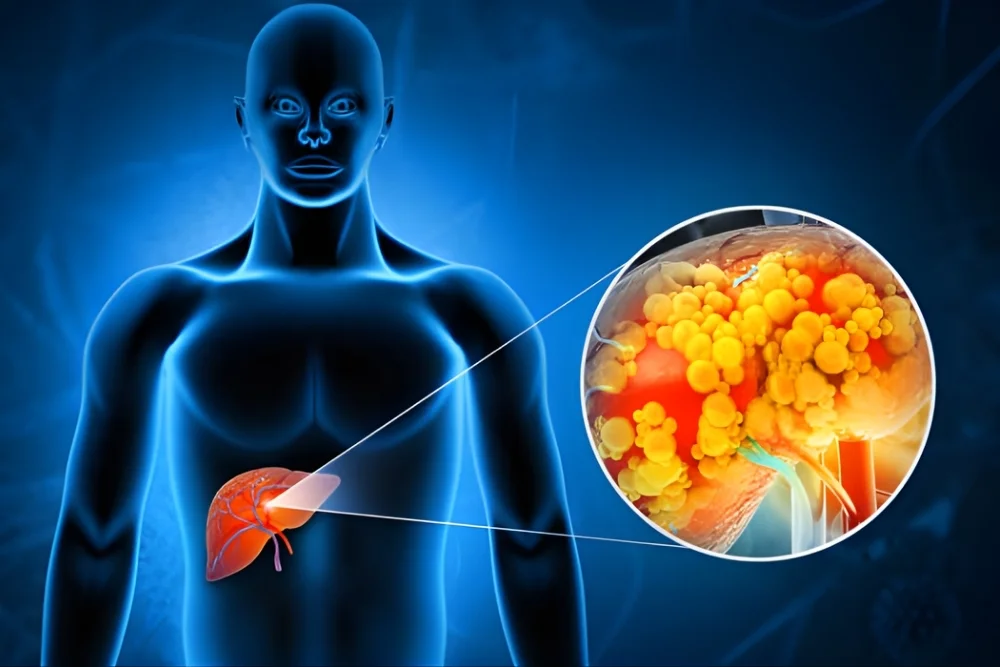
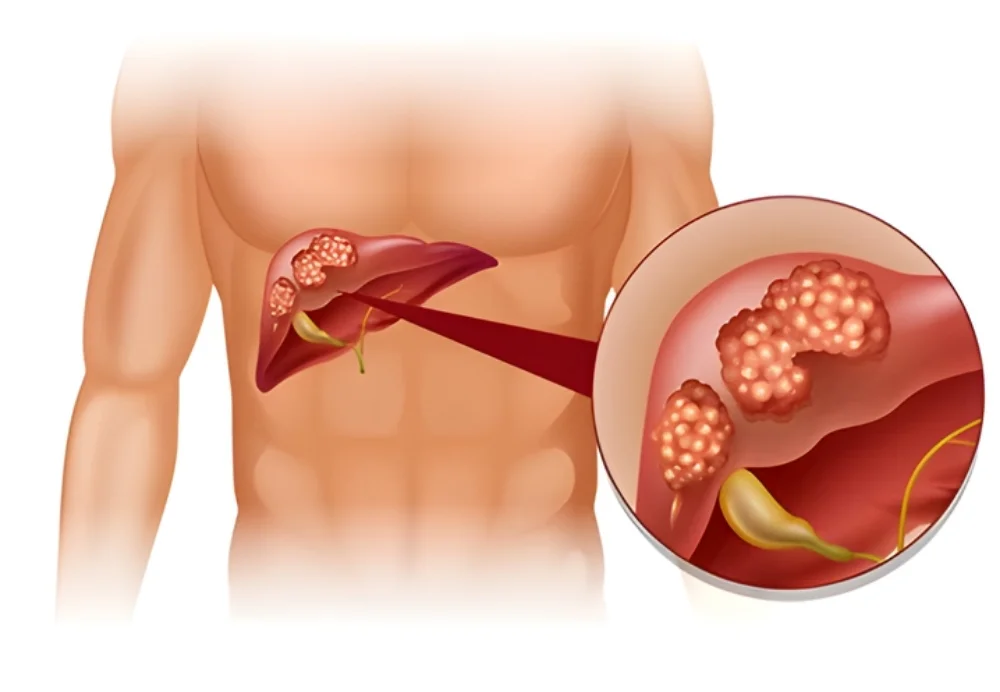
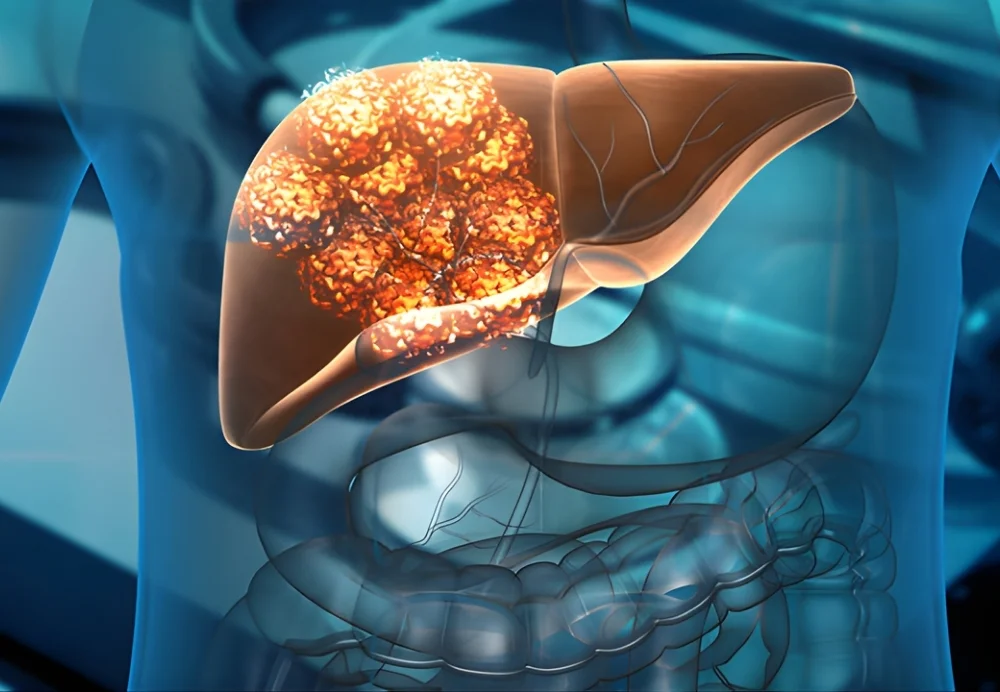
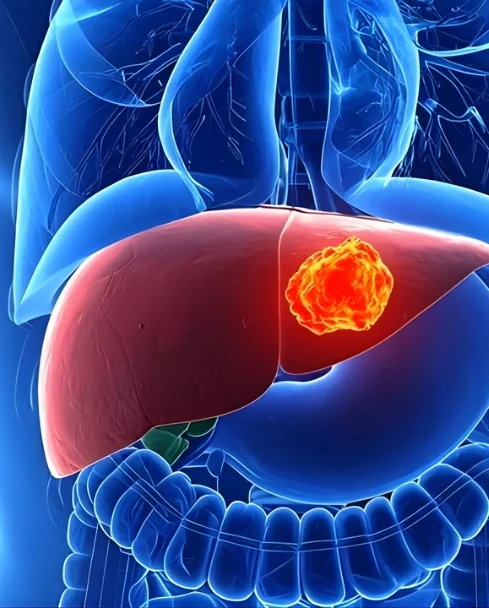
Liver cancer occurs when cells in the liver develop genetic changes that disrupt normal growth control. These abnormal cells multiply and form tumors that may grow within the liver or spread to nearby structures.
The disease can originate directly from liver cells (primary liver cancer) or spread to the liver from other organs (secondary or metastatic cancer). Early detection and specialized surgical care significantly improve treatment outcomes and survival rates.
Abdominal pain or swelling
Persistent discomfort or fullness in the upper abdomen.
Nausea or vomiting
Digestive disturbances that persist over time.
Unexplained weight loss
Gradual loss of body weight despite normal eating habits.
Jaundice
Yellowing of the skin and eyes due to impaired liver function.
STAGES OF LIVER CANCER
Staging determines how far the cancer has progressed and helps guide treatment decisions.
Cancer is confined to a single tumor within the liver without vascular invasion.
Cancer is confined to a single tumor within the liver without vascular invasion.
Cancer has spread to nearby lymph nodes or major blood vessels.
Cancer has metastasized to distant organs such as lungs or bones.
TYPES OF LIVER CANCER
Liver cancer includes different tumor types that behave differently and require individualized treatment.
Hepatocellular carcinoma (HCC)
The most common form of primary liver cancer arising from liver cells.
Cholangiocarcinoma
Cancer that develops from bile duct cells within the liver.
Angiosarcoma
A rare cancer arising from blood vessel cells of the liver.
HOW LIVER CANCER IS DIAGNOSED
Accurate diagnosis combines imaging, laboratory tests, and tissue evaluation.
Imaging scans
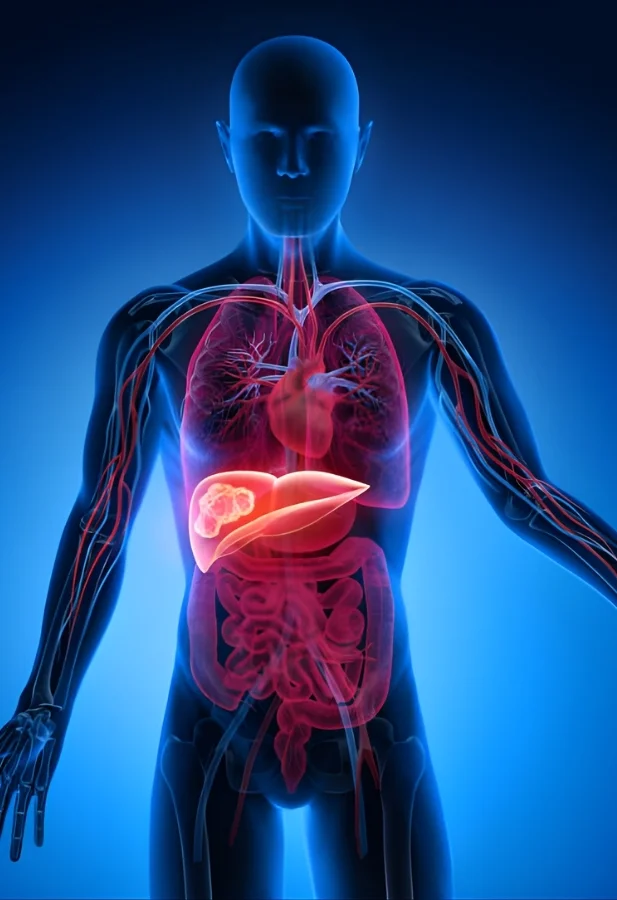
CT or MRI scans help determine tumor size, location, and spread.
Ultrasound
Often used as an initial screening tool to detect liver lesions.
Biopsy
Confirms the presence and type of cancer through microscopic examination.
CAUSES & RISK FACTORS
Several conditions and lifestyle factors increase the risk of developing liver cancer.
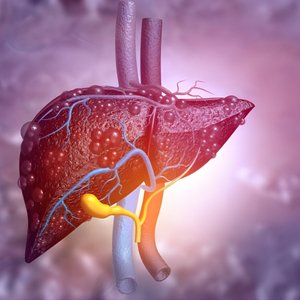
Liver cirrhosis
Scarring of the liver due to alcohol, fatty liver disease, or chronic hepatitis.

Alcohol abuse
Long-term alcohol consumption damages liver cells.

Family history
Genetic predisposition can increase susceptibility.
Exposure to toxins
Certain environmental toxins may contribute to liver damage.
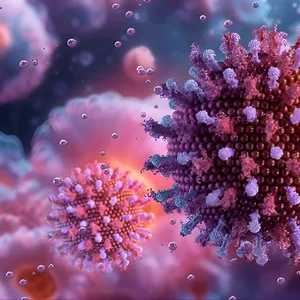
Chronic hepatitis B or C infection
Long-term viral infection significantly increases liver cancer risk.
WHEN SURGERY IS REQUIRED
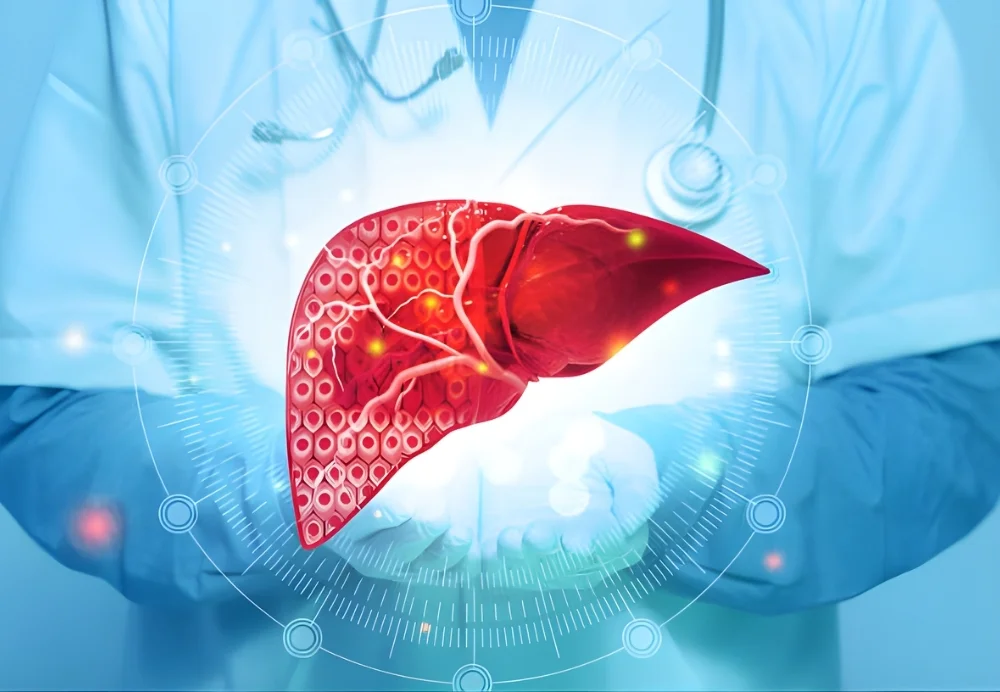
Surgery is the primary curative treatment for many patients with liver cancer. Depending on the size and location of the tumor, procedures such as liver resection (removal of the affected portion of the liver) may be performed while preserving healthy liver tissue.
In selected patients with advanced disease or multiple tumors, surgery may be combined with additional therapies such as ablation, chemotherapy, or targeted treatment. The liver’s ability to regenerate makes carefully planned surgical removal an effective option for eligible patients.
TREATMENT APPROACH TO LIVER CANCER
Liver cancer treatment is multidisciplinary and tailored to the individual patient.
Surgery
Removal of the tumor and affected liver tissue to achieve disease control.
Chemotherapy
Systemic treatment to slow cancer growth or treat advanced disease.
Ablation therapy
Local treatments such as radiofrequency or microwave ablation to destroy tumors.
Targeted therapy
Medications designed to block specific pathways that promote cancer growth.
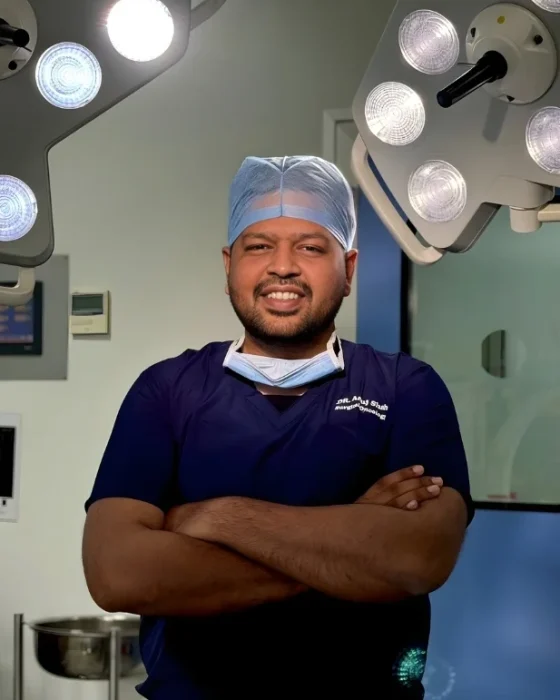
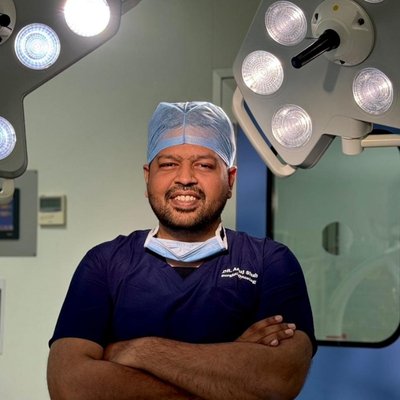
WHY CONSULT DR. ANUJ SHAH FOR LIVER CANCER CARE?
Liver cancer surgery requires specialized expertise, careful planning, and multidisciplinary coordination.
Oncologic surgical expertise
Advanced training in gastrointestinal and hepatobiliary cancers.
Individualized surgical planning
Surgical decisions based on tumor biology, liver function, and patient health.
Minimally invasive techniques
Laparoscopic approaches used in selected cases for faster recovery.
Multidisciplinary coordination
Close collaboration with oncologists, radiologists, and hepatology specialists.
Patient-Focused Care
Transparent guidance, ethical decision-making, and long-term follow-up.
Focus on long-term outcomes
Emphasis on preserving liver function and maintaining quality of life.
Dr. Anuj believes that the best surgical approach is the one personalized to the patient, not a one size fits all method. Every decision is made with the aim of:

Maximum cancer clearance

Minimum complications

Better long-term quality of life
FAQs
Frequently Asked Questions
Yes, when detected early and confined to the liver, surgical removal offers the best chance of cure.
Modern surgical techniques and careful patient selection have made liver surgery safer with good outcomes.
Recovery depends on the type of surgery performed, but most patients gradually return to normal activities over several weeks.
There is a possibility of recurrence, which is why regular follow-up and monitoring are essential.
Book a Consultation
Dr. Anuj Shah offers advanced liver cancer surgery, personalized treatment planning, and compassionate guidance throughout the treatment journey.
Need Any Help? We’re There For You
If you or a loved one has been diagnosed with liver cancer, early specialist evaluation can improve outcomes.