
Ovary Cancer Treatment in Ahmedabad
Advanced Ovary Cancer Surgery
Advanced Ovary Cancer Surgery for Better Outcomes
Comprehensive surgical care for ovary cancer using modern techniques, precision, and compassionate support.
Ovarian cancer develops when abnormal cells in the ovaries grow uncontrollably, often forming tumors that can spread to surrounding tissues or distant organs. Early detection improves outcomes, but symptoms are often subtle, making timely surgical intervention crucial. Under the care of Dr. Anuj, treatment is personalized based on tumor type, stage, and patient health, aiming for complete removal of cancer while preserving reproductive and overall health when possible.
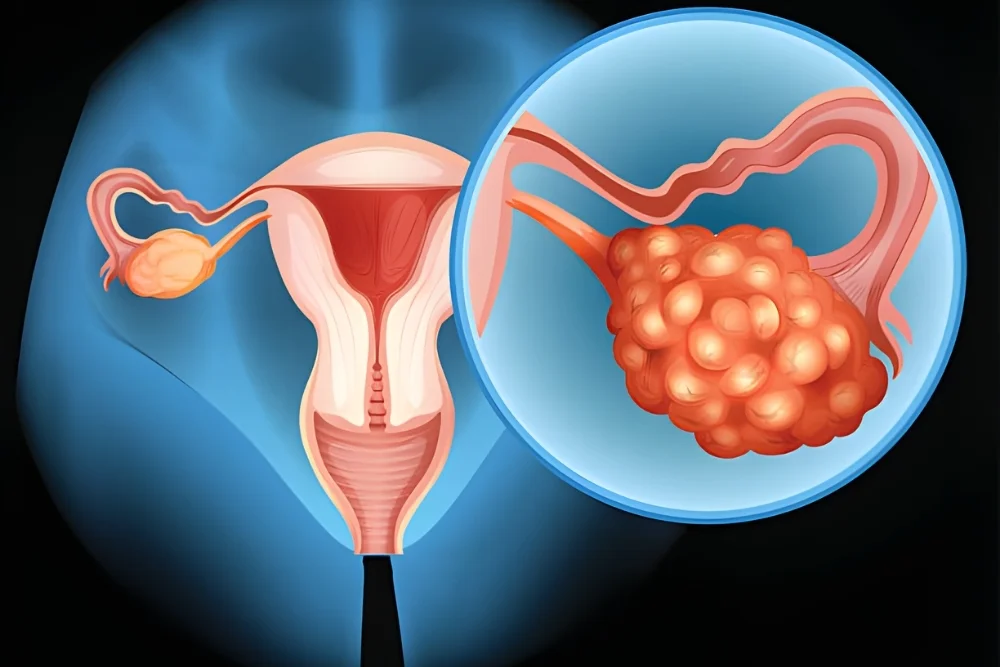
WHAT IS OVARY CANCER?
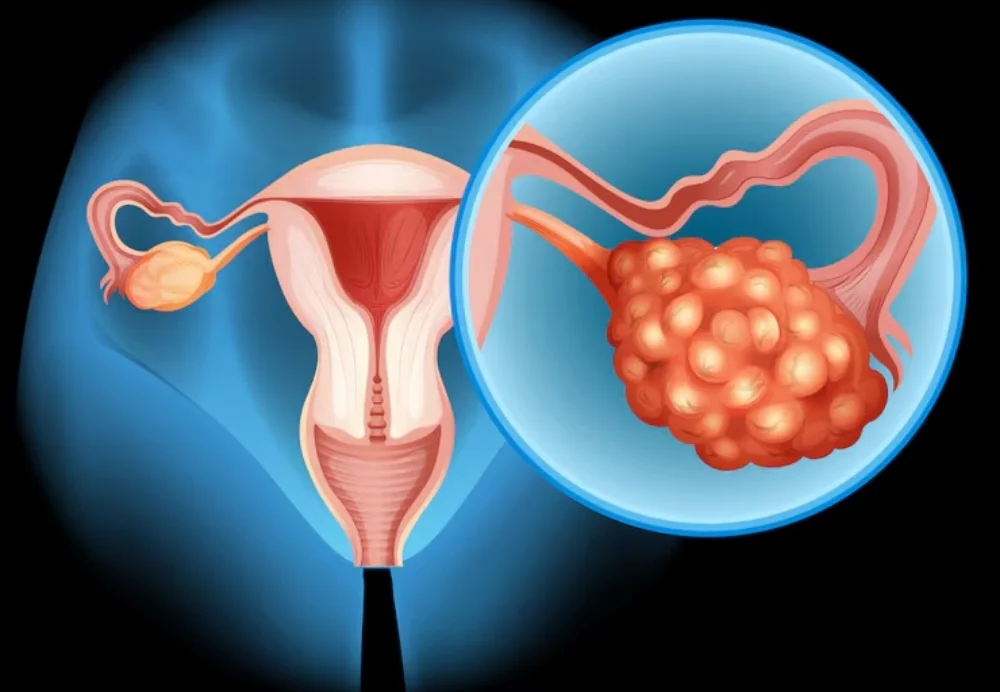
Ovary cancer occurs when abnormal cells in one or both ovaries multiply uncontrollably. The most common type is epithelial ovarian carcinoma, but germ cell and stromal tumors can also occur.
Tumors can remain confined to the ovaries initially but may later involve nearby lymph nodes, the peritoneum, or distant organs if untreated. Surgical management is key to achieving long-term disease control.
Abdominal bloating or swelling
Persistent distension that does not resolve.
Pelvic pain or pressure
Discomfort in the lower abdomen or pelvis.
Changes in urinary or bowel habits
Frequent urination, constipation, or altered stool patterns.
Unexplained weight loss or loss of appetite
Gradual decrease despite normal diet.
STAGES OF OVARY CANCER
Staging guides treatment and prognosis:
Cancer confined to one or both ovaries; surgery alone can be curative.
Tumor involves one or both ovaries with pelvic spread; treatment involves surgery and adjuvant therapy.
Spread to abdominal lymph nodes or peritoneum; surgery followed by chemotherapy is standard.
Distant metastasis to organs like liver or lungs; multimodal therapy is required.
TYPES OF OVARY CANCER
Different cell types require tailored management:
Germ cell tumors
Arise from reproductive cells; often affect younger women and managed surgically, sometimes with chemotherapy.
Stromal tumors
Develop from hormone-producing ovarian tissue; treatment is individualized based on tumor behavior.
Rare subtypes
Include small-cell, carcinosarcomas, or mixed tumors, managed by specialized surgical protocols.
HOW OVARY CANCER IS DIAGNOSED
Accurate diagnosis combines clinical assessment, imaging, and tissue confirmation:
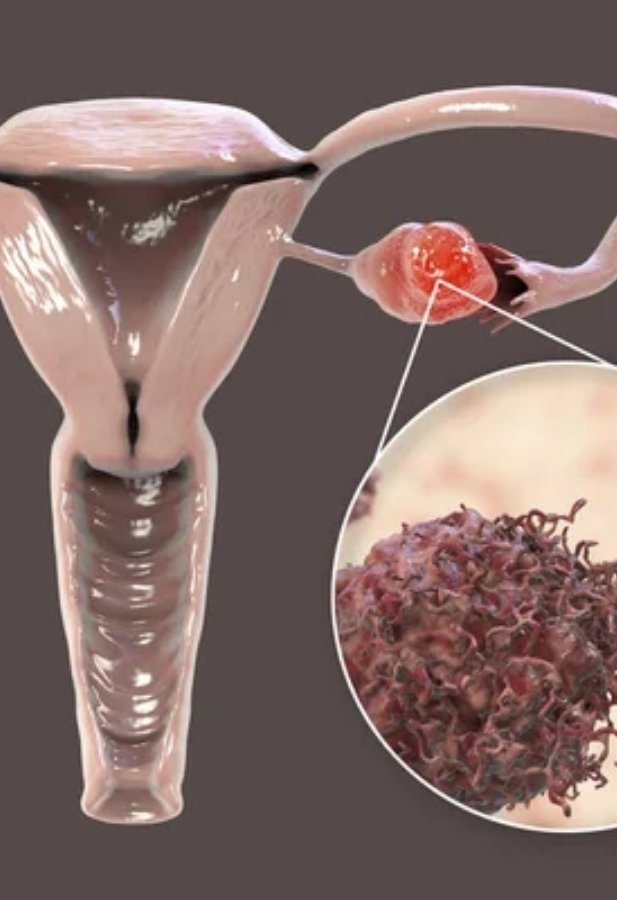
Pelvic examination
Detects ovarian enlargement or masses.
Blood tests (CA-125 and others)
Support diagnosis and monitor treatment response.
Ultrasound or CT/MRI scans
Visualize tumor size, spread, and involvement of other structures.
CAUSES & RISK FACTORS
Factors increasing vulva cancer risk include:

Family history
First-degree relatives with ovarian or breast cancer raise risk, especially with BRCA mutations.

Genetic syndromes
BRCA1, BRCA2, and Lynch syndrome significantly increase lifetime risk.

lifestyle factors
Long-term hormone therapy and obesity may contribute.

Age
Risk increases after 50, though germ cell tumors affect younger women.
Reproductive History
Nulliparity and delayed childbirth may elevate risk.
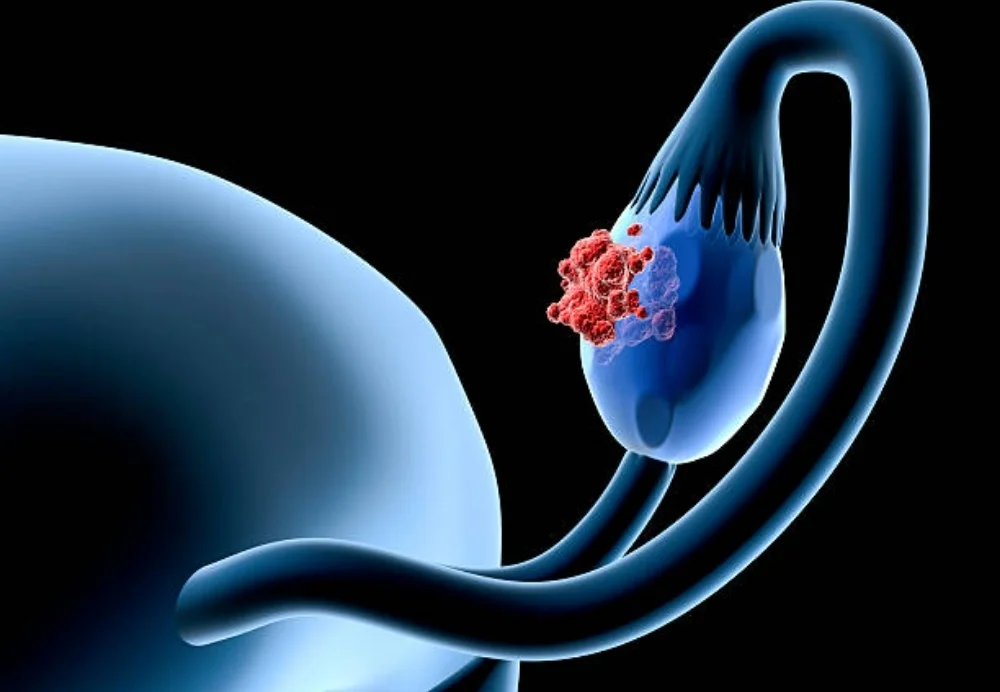
WHEN SURGERY IS REQUIRED
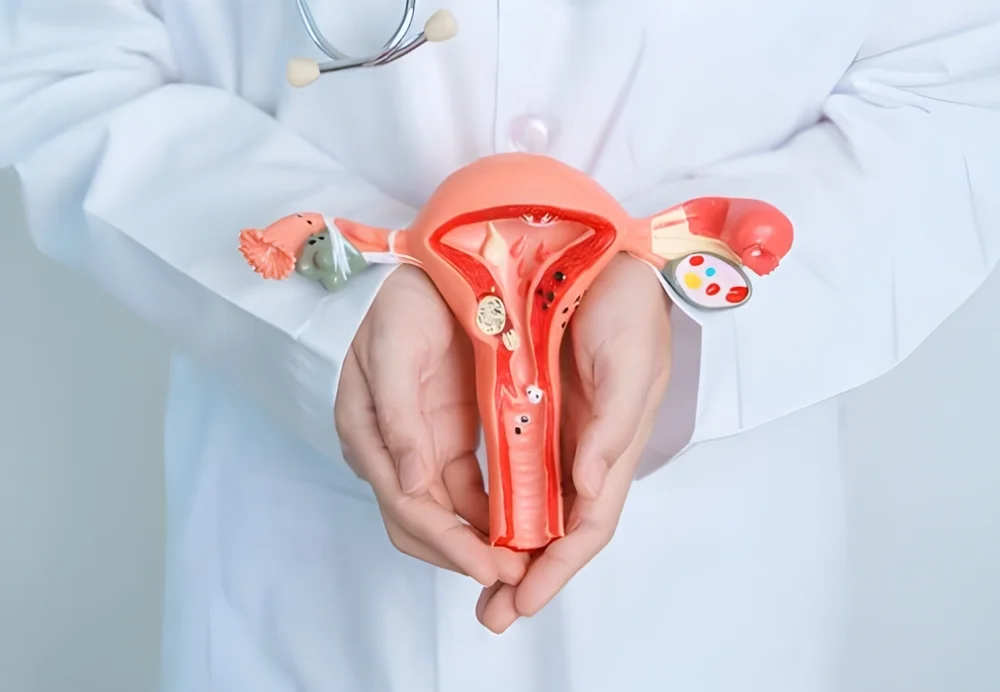
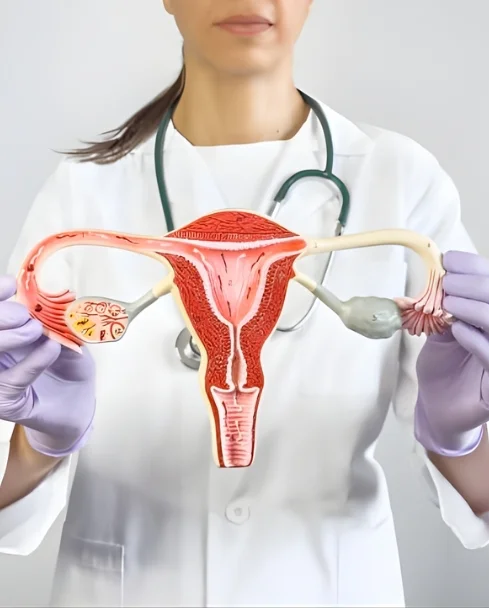
Surgery is the cornerstone of ovary cancer treatment. Early-stage tumors often require removal of the affected ovary, fallopian tube, and sometimes the uterus.
Advanced disease may need debulking surgery, where visible tumors throughout the abdomen are removed to reduce disease burden and improve chemotherapy effectiveness. Post-operative recovery and follow-up care are structured to optimize long-term outcomes.
TREATMENT APPROACH TO OVARY CANCER
Treatment is multidisciplinary and patient-specific:
Surgery
Primary approach for tumor removal and staging.
Chemotherapy
Reduces recurrence risk or treats residual disease post-surgery.
Multidisciplinary planning
Sequencing of therapies is tailored to maximize effectiveness and minimize side effects.
Targeted therapy
Used for tumors with specific molecular markers like BRCA mutations.
WHY CONSULT DR. ANUJ SHAH FOR OVARY CANCER CARE
Ovary cancer management requires precision, experience, and multidisciplinary coordination:
Oncologic surgical expertise
Specialized in gynecologic cancers with advanced surgical skills.
Individualized surgical planning
Treatment customized to tumor type, stage, and patient needs.
Minimally invasive techniques
Laparoscopic or limited excisions where feasible.
Multidisciplinary coordination
Collaboration with oncology, radiology, and pathology teams.
Patient-Focused Care
Ethical, transparent decisions and emotional guidance throughout treatment.
Focus on long-term outcomes
Emphasis on survival, recovery, and quality of life.
Dr. Anuj believes that the best surgical approach is the one personalized to the patient, not a one size fits all method. Every decision is made with the aim of:

Maximum cancer clearance

Minimum complications

Better long-term quality of life
FAQs
Frequently Asked Questions
Yes, advanced ovarian tumors can metastasize to the peritoneum, liver, or lungs.
In selected early-stage cases, unilateral ovary removal may preserve fertility.
Chemotherapy is often recommended post-surgery, especially in advanced stages, to reduce recurrence.
Recovery depends on procedure type; minimally invasive surgery allows shorter hospitalization, while extensive debulking requires structured follow-up.
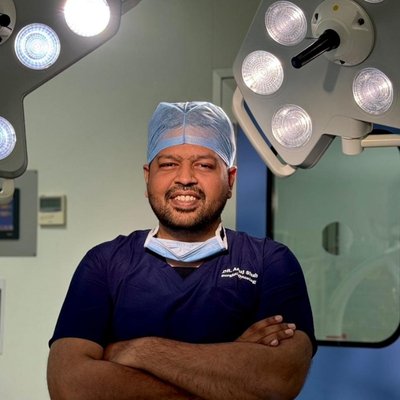
Book a Consultation
Dr. Anuj Shah offers advanced ovarian cancer surgery, personalized treatment planning, and compassionate guidance throughout the treatment journey.
Need Any Help? We’re There For You
If you or a loved one has been diagnosed with ovarian cancer, early surgical evaluation can significantly improve outcomes.