

Pancreas Cancer Treatment in Ahmedabad
Advanced Pancreas Cancer Surgery
Advanced Pancreas Cancer Surgery for Better Outcomes
Comprehensive surgical care for pancreas cancer using modern techniques, precision, and compassionate support.
Pancreas cancer arises when abnormal cells in the pancreas grow uncontrollably, affecting its ability to produce digestive enzymes and hormones like insulin. Early symptoms may be subtle, but as the disease progresses, tumors can obstruct bile ducts, affect blood sugar levels, or invade nearby organs. Under the care of Dr. Anuj, pancreas cancer surgery is planned based on tumor type, stage, and patient health. The goal is complete cancer removal while maintaining pancreatic function and improving overall quality of life.
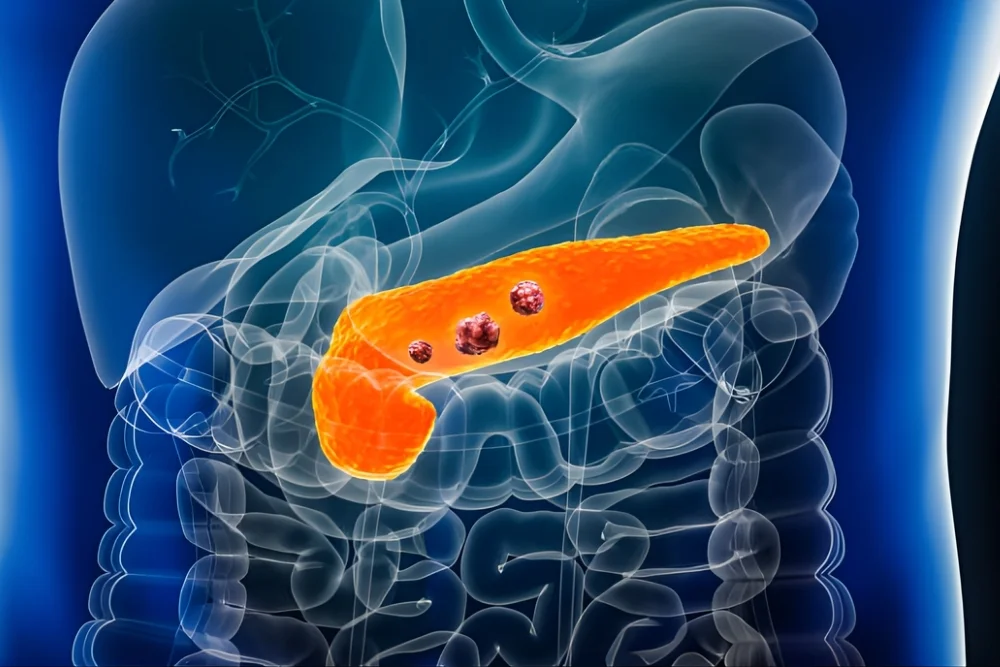
WHAT IS PANCREAS CANCER?
Pancreas cancer is a malignancy that develops when cells in the pancreas begin to grow uncontrollably. Most commonly, it starts in the exocrine cells, which produce digestive enzymes.
Over time, the tumor can invade surrounding structures, involve lymph nodes, and, if untreated, spread to the liver, lungs, or peritoneum. Early detection is key to improving outcomes, as pancreas cancer is often diagnosed at advanced stages due to subtle initial symptoms.
Abdominal or back pain
Persistent discomfort, often radiating to the back.
Jaundice
Yellowing of skin and eyes due to bile duct obstruction.
Unexplained weight loss
Gradual reduction in body weight despite normal appetite.
Digestive issues
Nausea, vomiting, bloating, or oily stools due to impaired digestion.
STAGES OF PANCREAS CANCER
Pancreas cancer is staged based on tumor size, lymph node involvement, and spread to distant organs:
Tumor confined to the pancreas; surgery often curative.
Tumor extends outside the pancreas but without distant metastasis; surgery plus chemotherapy is standard.
Cancer involves nearby major blood vessels or lymph nodes; surgery may be complex, often combined with neoadjuvant therapy.
Cancer has spread to distant organs; treatment focuses on symptom control and improving survival with chemotherapy or targeted therapy.
TYPES OF PANCREAS CANCER
Pancreas cancer is not a single disease. Different types have distinct behavior and treatment approaches.
Adenocarcinoma
Most common type, arising from ductal cells; usually treated with surgery and chemotherapy.
Neuroendocrine tumors
Rare, slow-growing tumors from hormone-producing cells; treatment depends on size, location, and spread.
Acinar cell carcinoma
Uncommon, develops from enzyme-producing cells; management is tailored individually.
HOW PANCREAS CANCER IS DIAGNOSED
Accurate diagnosis combines imaging, lab tests, and tissue sampling.
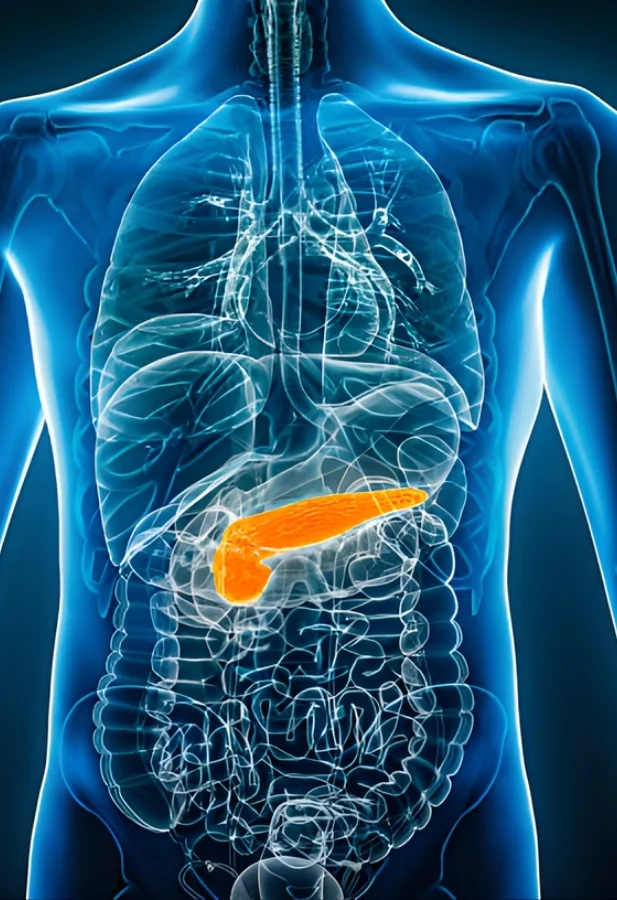
CT or MRI scans
Provide detailed images of tumor size, vascular involvement, and spread.
Biopsy
Confirms cancer type and guides treatment planning.
Endoscopic ultrasound (EUS)
Allows direct visualization and guided biopsy of pancreatic lesions.
CAUSES & RISK FACTORS
While pancreas cancer may arise without a clear cause, risk factors include:
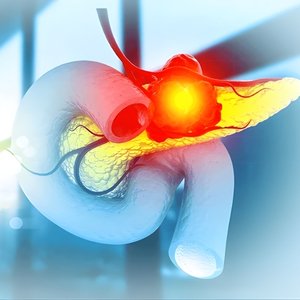
Chronic pancreatitis
Long-standing inflammation of the pancreas can increase risk.

Family History
Inherited genetic syndromes or first-degree relatives with pancreatic cancer.

Diabetes & Obesity
Metabolic changes linked to insulin resistance can contribute.

Smoking
Increases pancreatic cancer risk significantly.
Age
Risk rises after age 60.

WHEN SURGERY IS REQUIRED
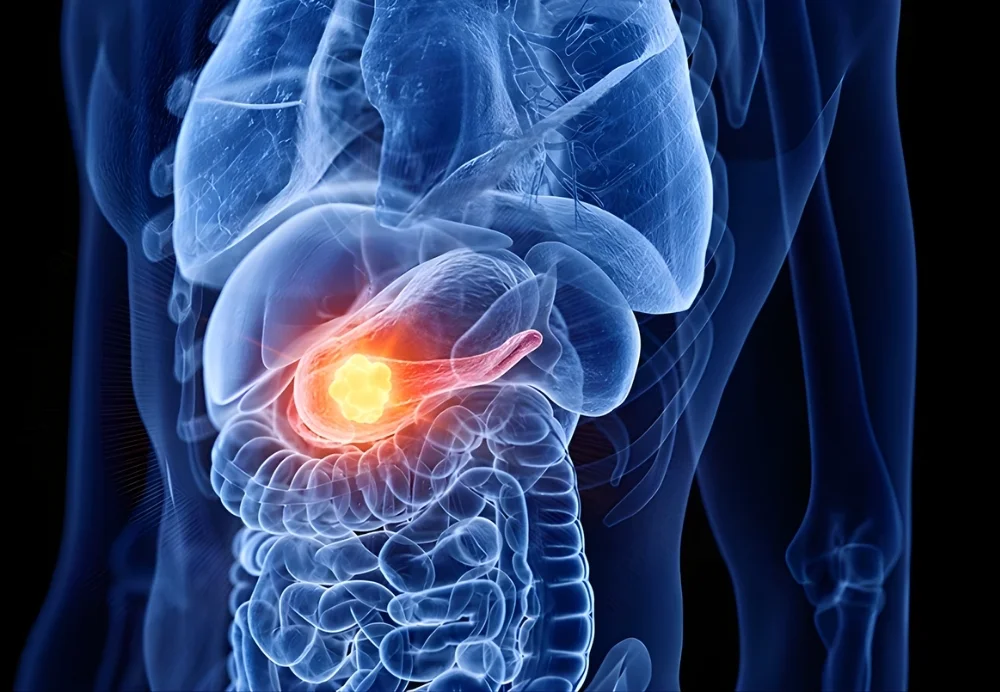
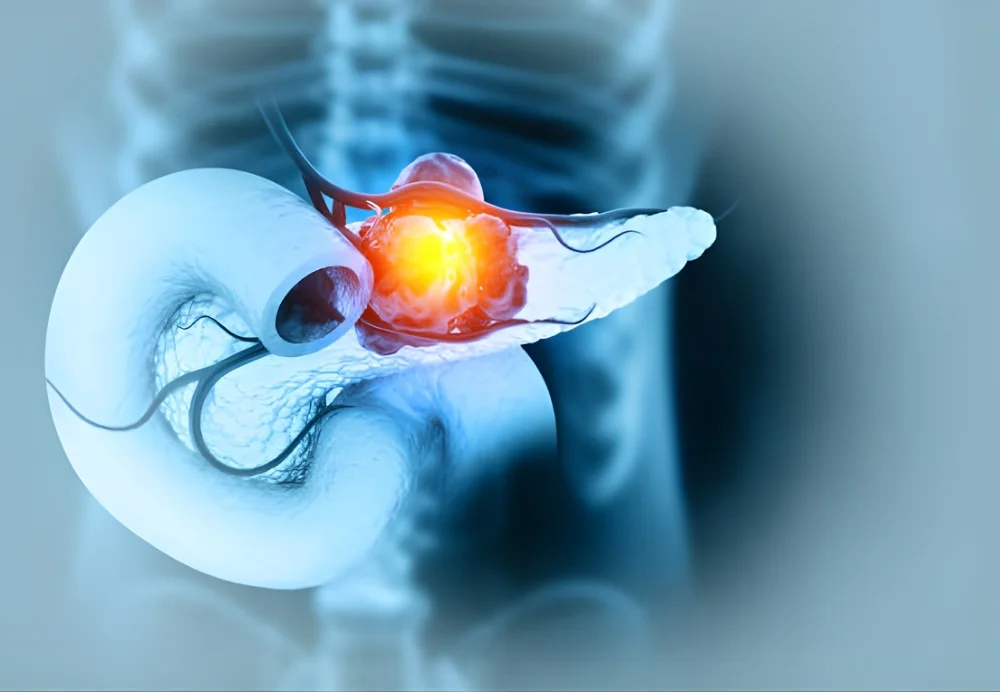
Surgery is the primary curative treatment for eligible pancreas cancer patients. Procedures like Whipple surgery (pancreaticoduodenectomy), distal pancreatectomy, or total pancreatectomy are performed based on tumor location and extent.
In selected advanced cases, surgery may be combined with neoadjuvant or adjuvant chemotherapy to shrink the tumor before surgery or reduce recurrence risk afterward. The goal is complete tumor removal while preserving pancreatic and digestive function wherever possible.
TREATMENT APPROACH TO PANCREAS CANCER
Pancreas cancer treatment is multidisciplinary:
Surgery
Removes the tumor and nearby lymph nodes.
Chemotherapy
Pre- or post-surgery to shrink tumor or reduce recurrence.
Radiation therapy
May be used in selected cases for local control.
Targeted therapy & immunotherapy
For specific tumor types or genetic profiles.
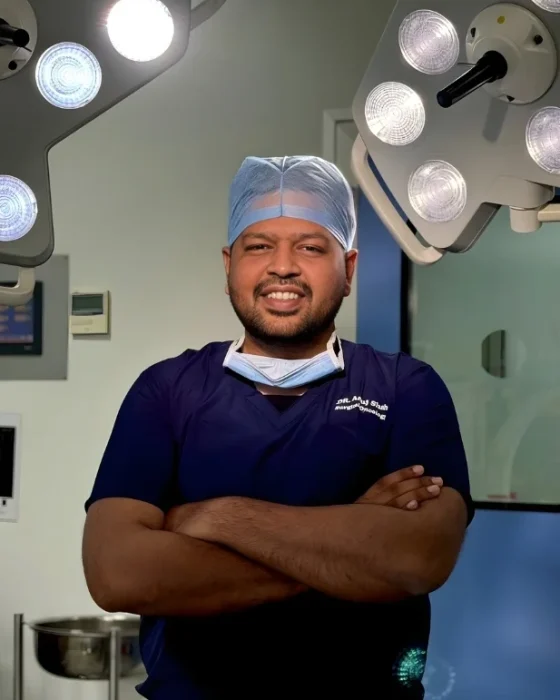
WHY CONSULT DR. ANUJ SHAH FOR PANCREAS CANCER CARE?
Pancreas cancer surgery requires expertise, precision, and ethical decision-making:
Specialized oncologic training
Advanced training in pancreatic and gastrointestinal oncology.
Individualized surgical planning
Personalized to tumor location, stage, and patient health.
Minimally invasive expertise
Laparoscopic and robotic approaches for selected cases.
Multidisciplinary coordination
Collaboration with oncology, radiology, and nutrition teams.
Patient-Focused Care
Clear communication, guidance, and long-term follow-up.
Commitment to long-term quality of life
Surgery designed to maintain digestive function, nutrition, and post-operative well-being.
Dr. Anuj believes that the best surgical approach is the one personalized to the patient, not a one size fits all method. Every decision is made with the aim of:

Maximum cancer clearance

Minimum complications

Better long-term quality of life
FAQs
Frequently Asked Questions
Yes, it can spread to the liver, lungs, or peritoneum; early diagnosis is crucial for better outcomes.
Surgery depends on tumor location, stage, and involvement of major blood vessels; not all patients are eligible.
Recovery varies: minimally invasive procedures allow faster healing, while complex surgeries require structured rehabilitation.
Yes, neoadjuvant or adjuvant chemotherapy is often used to improve outcomes.
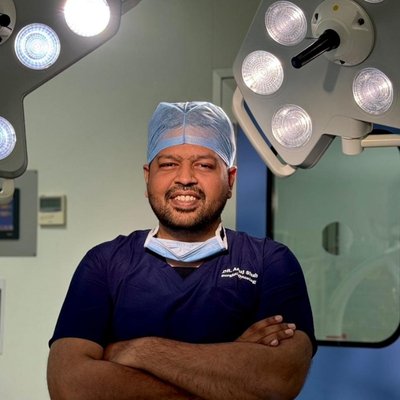
Book a Consultation
Dr. Anuj offers advanced pancreatic cancer surgery, personalized treatment planning, and compassionate guidance throughout the treatment journey.
Need Any Help? We’re There For You
If you or a loved one has been diagnosed with pancreas cancer, early surgical evaluation can improve outcomes.