Peritoneal Surface Malignancies in Ahmedabad
Comprehensive Care for Cancers Affecting the Abdominal Lining
Advanced Treatment for Peritoneal Surface Malignancies
Expert surgical and multimodal care for cancers affecting the lining of the abdomen.
Peritoneal surface malignancies are cancers that spread to the lining of the abdominal cavity. These cancers may arise from the gastrointestinal tract, ovaries, appendix, or other abdominal organs. Under the care of Dr. Anuj Suketu, patients receive personalized evaluation and treatment, combining advanced surgical procedures like cytoreductive surgery (CRS) with intraperitoneal chemotherapy techniques such as HIPEC or PIPAC. This integrated approach ensures maximal tumor removal while preserving organ function and quality of life.
WHAT ARE PERITONEAL SURFACE MALIGNANCIES?
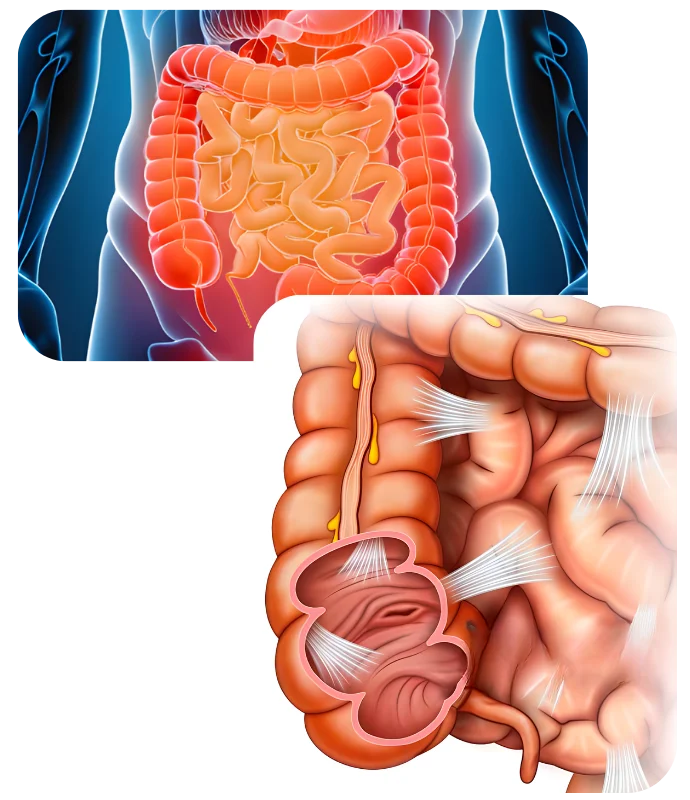
Peritoneal surface malignancies refer to cancers that have spread to or originated from the peritoneum – the thin lining covering the abdominal organs.
Key Goals of Treatment
- Remove visible tumors completely
- Reduce the risk of cancer recurrence
- Improve long-term survival and quality of life
- Minimize treatment-related side effects
Treatment planning is highly individualized, with careful evaluation of disease extent, patient health, and potential surgical outcomes.
COMMON TYPES OF PERITONEAL SURFACE MALIGNANCIES
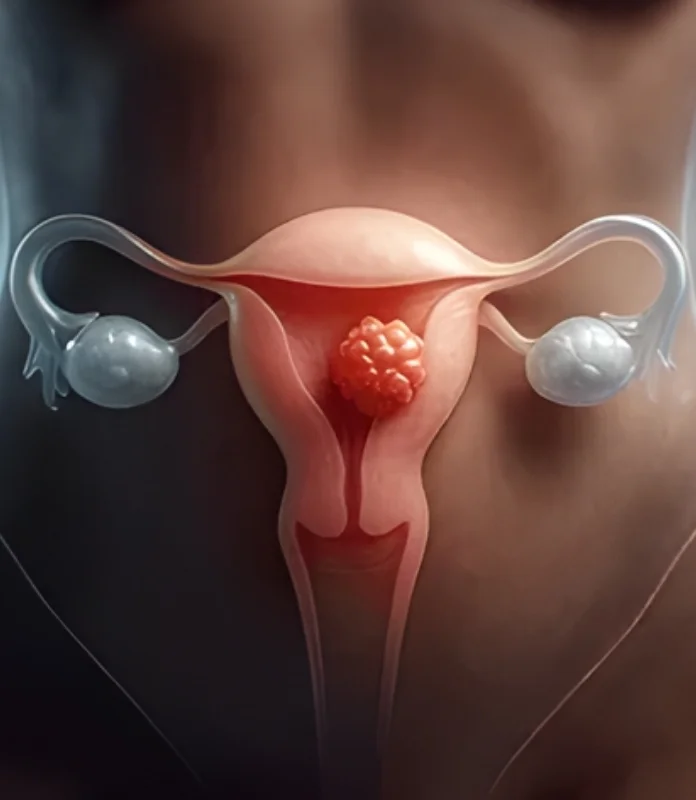
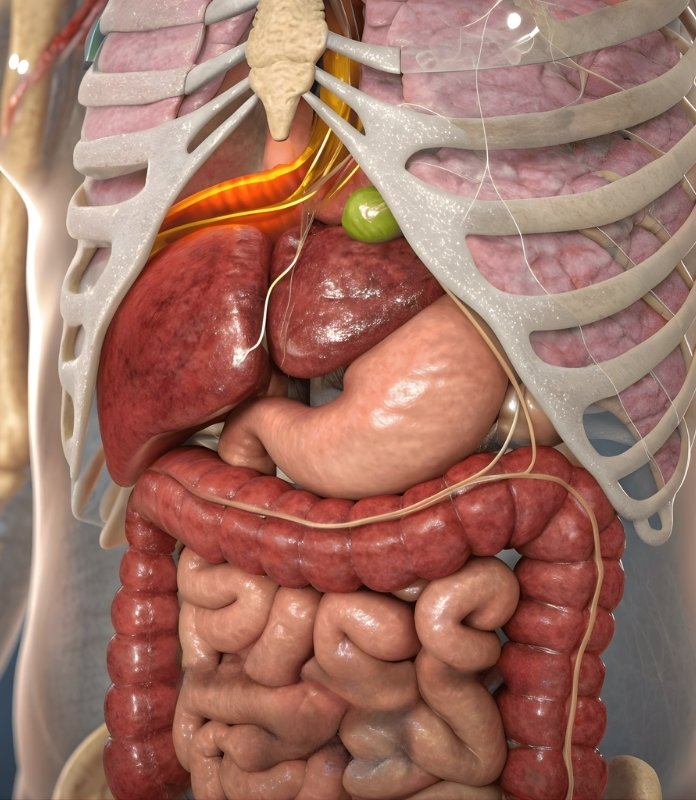
TREATMENT APPROACHES USED
Treatment of peritoneal surface malignancies involves a multimodal, patient-tailored strategy, combining surgery and chemotherapy.
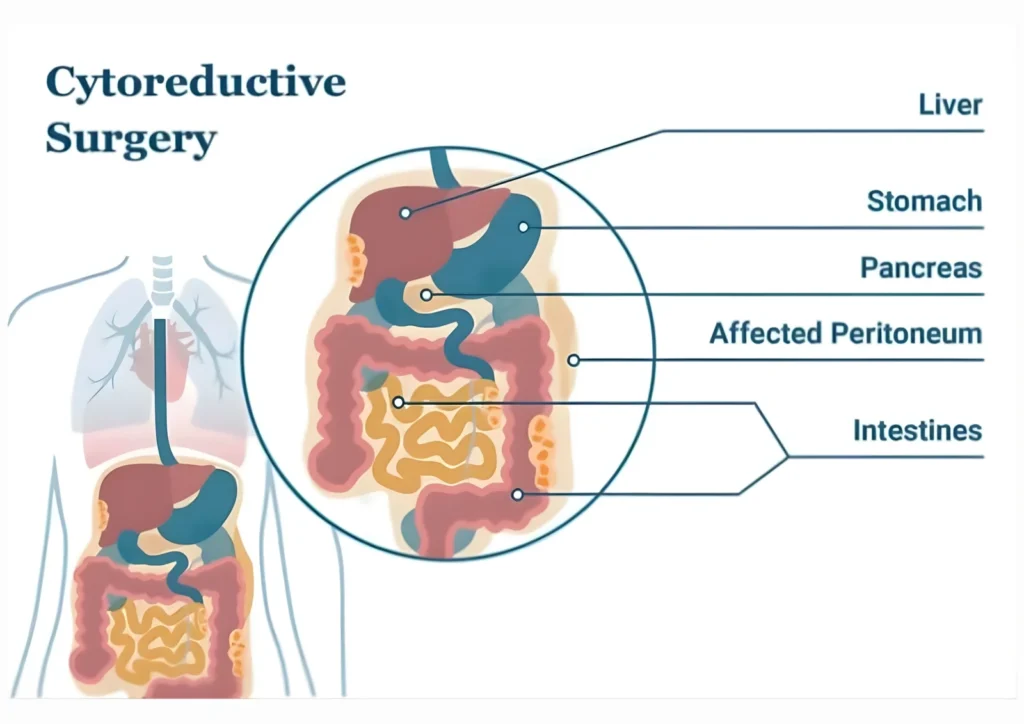
Cytoreductive Surgery (CRS)
Removal of visible tumors from the abdominal cavity
May include affected organs or peritoneal surfaces
Aim is to leave minimal or no residual disease
Intraperitoneal Chemotherapy
HIPEC: Heated chemotherapy applied during surgery to destroy microscopic residual tumors
PIPAC: Minimally invasive pressurized aerosol chemotherapy delivered laparoscopically


Systemic Therapy
Intravenous chemotherapy or targeted therapy may be combined with surgical approaches depending on cancer type and stage.
This combination approach maximizes treatment effectiveness while minimizing systemic toxicity.
Experience, Expertise, & Compassion
You Can Trust
Specialized Oncologic Training
Advanced training in surgical oncology and peritoneal malignancy management.
Experience in Complex Abdominal Cancers
Skilled in multi-organ cytoreductive surgery and HIPEC/PIPAC procedures.
Global Exposure
Familiar with international best practices for peritoneal cancer treatment.
Minimally Invasive and Precision Techniques
Offers laparoscopic and robotic-assisted procedures where appropriate for faster recovery.
Dr. Anuj believes that the best surgical approach is the one personalized to the patient, not a one size fits all method. Every decision is made with the aim of:

Maximum cancer clearance

Minimum complications

Better long-term quality of life
FAQs
Frequently Asked Questions
Treatment usually involves cytoreductive surgery combined with HIPEC or PIPAC, sometimes alongside systemic chemotherapy.
Not in all cases, treatment depends on cancer type, spread, and patient health.
Recovery varies based on the extent of surgery and therapy, but most patients gradually regain normal activities over several weeks.
Yes, depending on disease response and patient condition, these procedures can be repeated safely in cycles.
Yes, PIPAC and selected procedures can be performed laparoscopically for reduced pain and faster recovery.

Book a Consultation
Dr. Anuj offers expert guidance, minimally invasive treatment, and compassionate care throughout the process.
Need Any Help? We’re There For You
If you or a loved one has been diagnosed with a peritoneal surface malignancy, early evaluation and treatment planning are critical