PIPAC Cancer Treatment in Ahmedabad
Advanced Chemotherapy Delivery for Peritoneal Cancers
Advanced PIPAC Treatment
Targeted chemotherapy delivered safely and effectively to abdominal cancers, delivered with precision, safety, and patient-focused care.
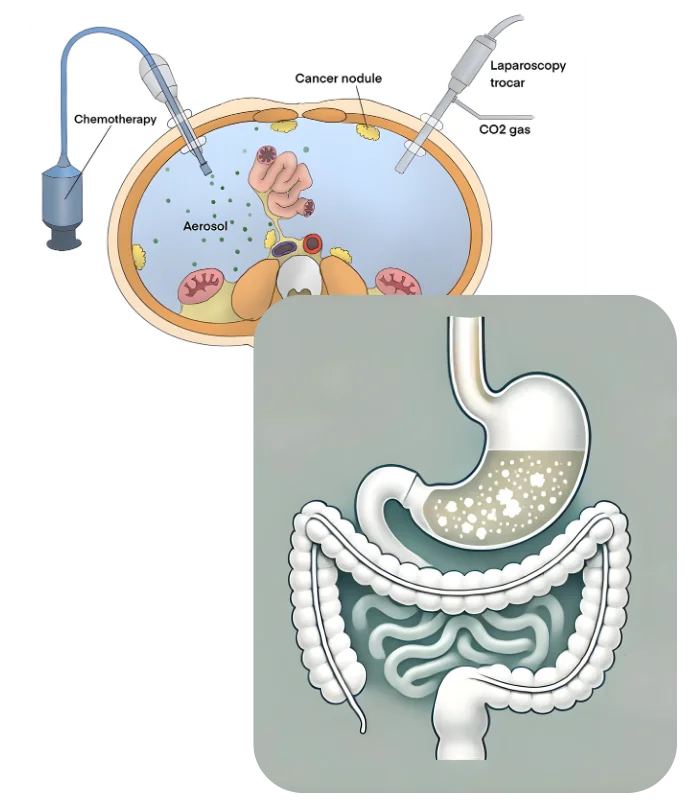
Pressurized Intraperitoneal Aerosol Chemotherapy (PIPAC) is an advanced method of delivering chemotherapy directly into the abdominal cavity in a pressurized aerosol form. This allows higher drug penetration into tumors while reducing systemic toxicity compared to traditional chemotherapy. Under the care of Dr. Anuj, PIPAC is performed using modern laparoscopic techniques, providing a safe, minimally invasive option for patients with peritoneal surface malignancies. It is often combined with cytoreductive surgery or systemic therapy, depending on disease status.
WHAT IS PIPAC?
PIPAC is a minimally invasive procedure in which chemotherapy drugs are delivered as a pressurized aerosol inside the abdominal cavity.
The goals of PIPAC include:
- Enhanced penetration of chemotherapy into tumors
- Reduced systemic side effects compared to intravenous chemotherapy
- Improving tumor response and quality of life
Each patient undergoes careful assessment to determine suitability, ensuring safe and effective treatment.
CONDITION TREATED WITH PIPAC
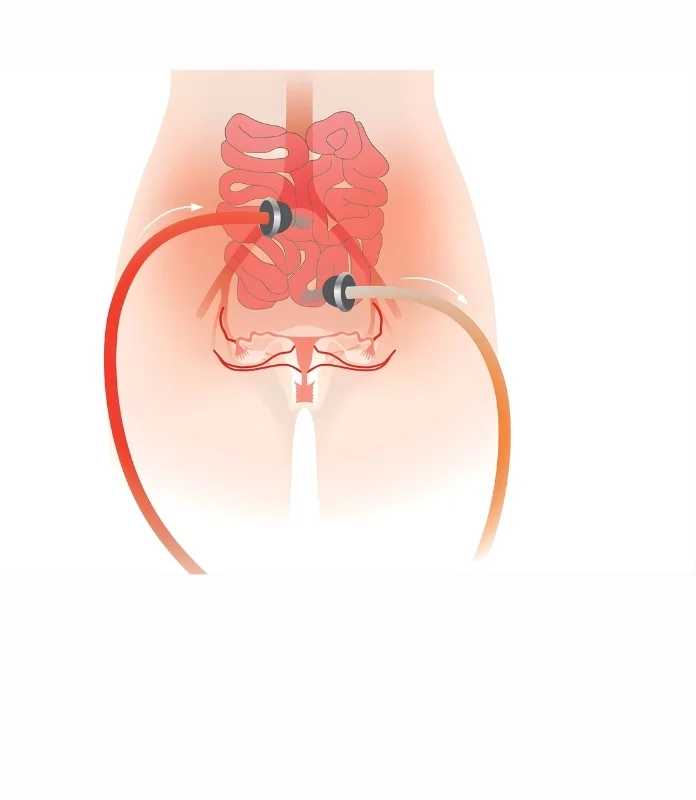
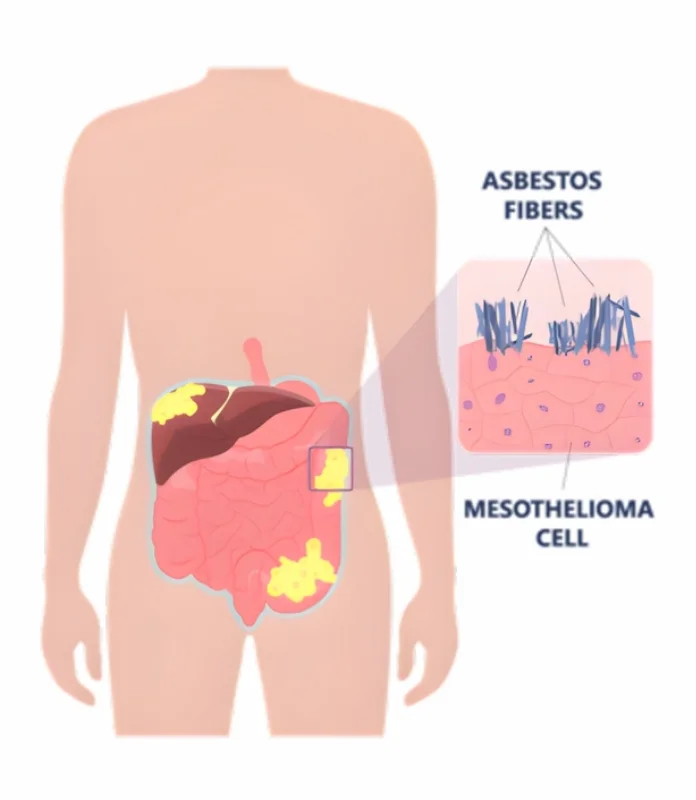
It is particularly helpful for patients with tumors that are not fully resectable or in recurrent cases where conventional therapy is limited. PIPAC is primarily used for cancers that spread to the peritoneal lining, including:
PROCEDURE DETAILS AND APPROACHES
Precise, Minimally Invasive Delivery of Chemotherapy
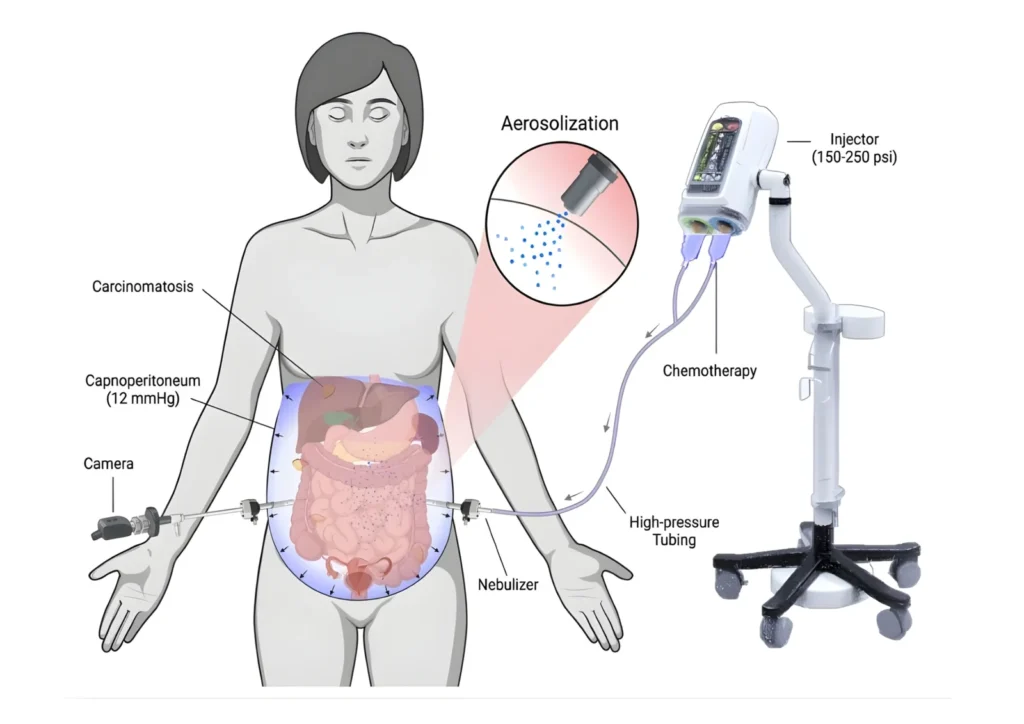
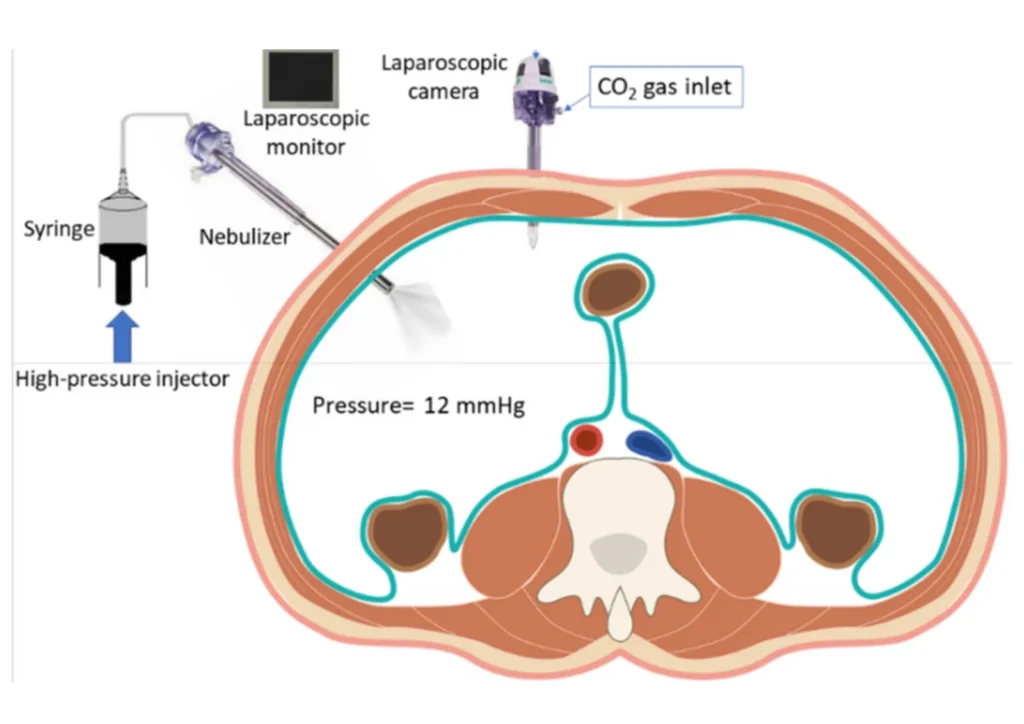
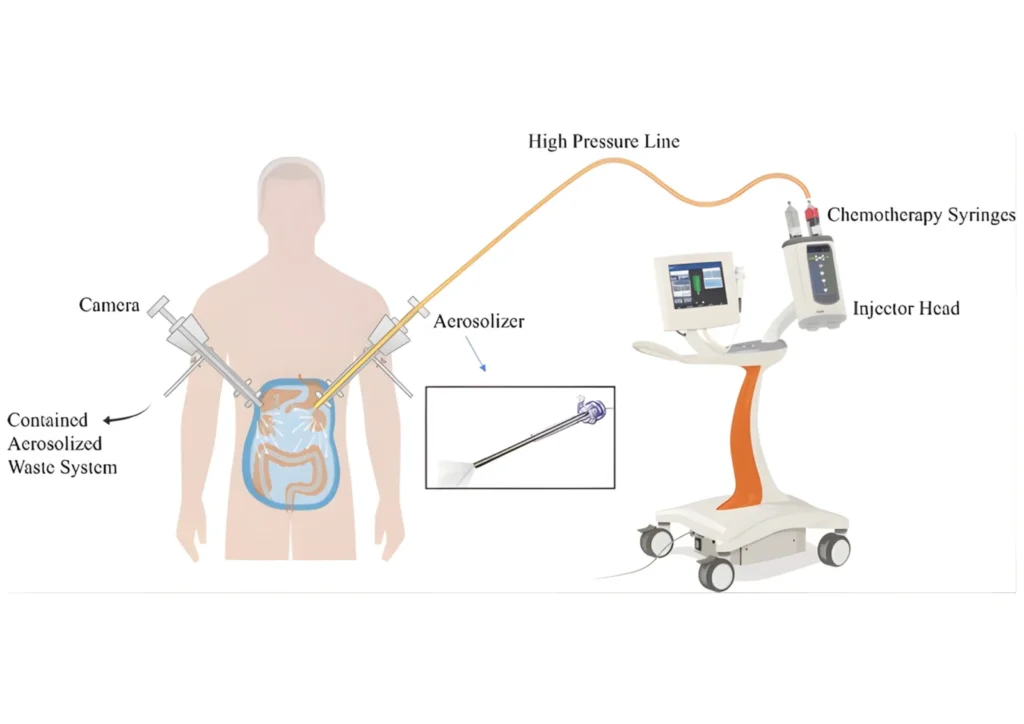
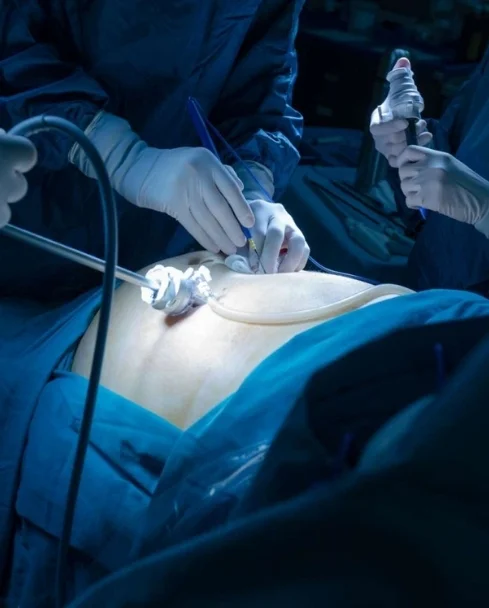
PIPAC is performed laparoscopically under general anesthesia, allowing targeted delivery of chemotherapy directly into the abdominal cavity. The procedure is carefully planned based on imaging, tumor spread, and prior treatments to ensure maximum effectiveness while minimizing side effects.
Minimally Invasive Approach
Small laparoscopic incisions: Only 2–3 tiny incisions are required, reducing trauma to the abdominal wall.
Direct visualization: Surgeons can assess tumor spread and ensure precise placement of chemotherapy.
Reduced post-operative pain: Minimal tissue disruption leads to less discomfort.
Faster recovery: Patients typically recover quickly and can resume daily activities sooner than with traditional open procedures.
Pressurized Aerosol Delivery
Enhanced drug penetration: Chemotherapy is converted into a fine aerosol under controlled pressure, which allows better penetration into tumors on the peritoneal surfaces.
Uniform distribution: The pressurized aerosol ensures the medication reaches all tumor areas evenly, including hard-to-reach spots.
Reduced systemic toxicity: Because the drug is largely contained in the abdomen, side effects on the rest of the body are minimized.
Repeatable treatment: The minimally invasive nature allows PIPAC to be repeated in cycles to maximize tumor response.
Combination with Other Therapies
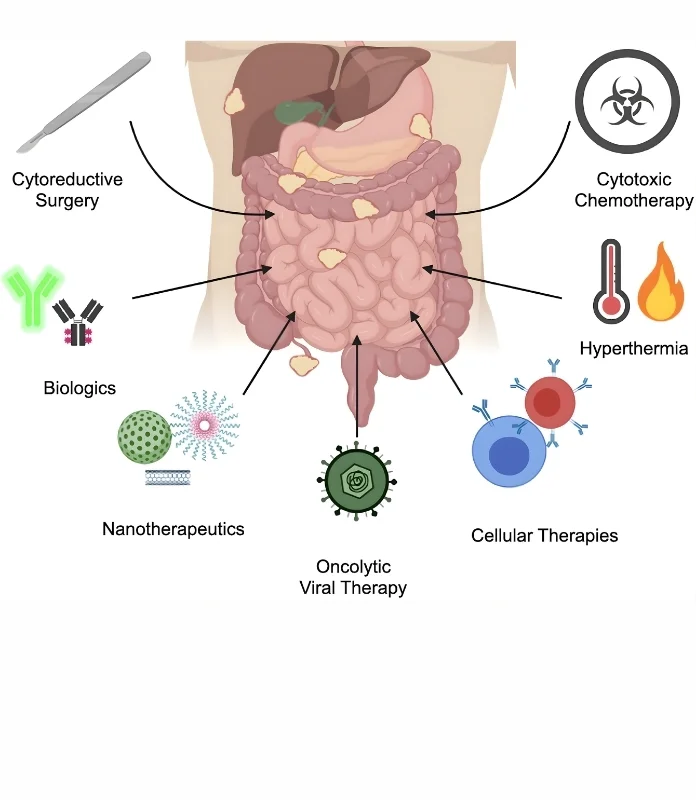
Synergy with CRS: When combined with cytoreductive surgery, PIPAC targets microscopic residual tumors that may remain after surgical removal.
Integration with systemic therapy: Patients may continue intravenous chemotherapy or targeted therapy alongside PIPAC to enhance overall treatment effectiveness.
Personalized to patient needs: Frequency and combination with other therapies are carefully individualized based on disease stage, tumor biology, and overall health.
Experience, Expertise, & Compassion
You Can Trust
Specialized Oncologic Training
Trained in surgical oncology with experience in advanced intraperitoneal therapies.
Experience with Peritoneal Malignancies
Skilled in using PIPAC for recurrent or advanced peritoneal cancers.
Global Exposure
Familiar with international standards and latest innovations in intraperitoneal chemotherapy.
Minimally Invasive Expertise
Proficient in laparoscopic PIPAC procedures for safer, faster recovery.
Dr. Anuj believes that the best surgical approach is the one personalized to the patient, not a one size fits all method. Every decision is made with the aim of:

Maximum cancer clearance

Minimum complications

Better long-term quality of life
FAQs
Frequently Asked Questions
Patients with peritoneal metastases from gastrointestinal, ovarian, or mesothelioma cancers may be candidates, particularly if tumors are not fully resectable.
PIPAC is minimally invasive, performed laparoscopically under general anesthesia. Patients usually experience minimal discomfort.
The treatment is typically repeated in cycles, spaced based on disease response and patient tolerance.
Yes, it can be combined with systemic chemotherapy or cytoreductive surgery depending on the patient’s condition.
Post-surgical care includes pain management, wound care guidance, follow-up visits.

Book a Consultation
Dr. Anuj offers expert guidance, minimally invasive treatment, and compassionate care throughout the process.
Need Any Help? We’re There For You
If you or a loved one has peritoneal cancer, early evaluation for PIPAC therapy can improve outcomes and quality of life.