
Rectum Cancer Treatment in Ahmedabad
Advanced Rectum Cancer Surgery
Advanced Rectum Cancer Treatment for Better Outcomes
Comprehensive surgical care for rectum cancer using modern techniques, precision, and compassionate support.
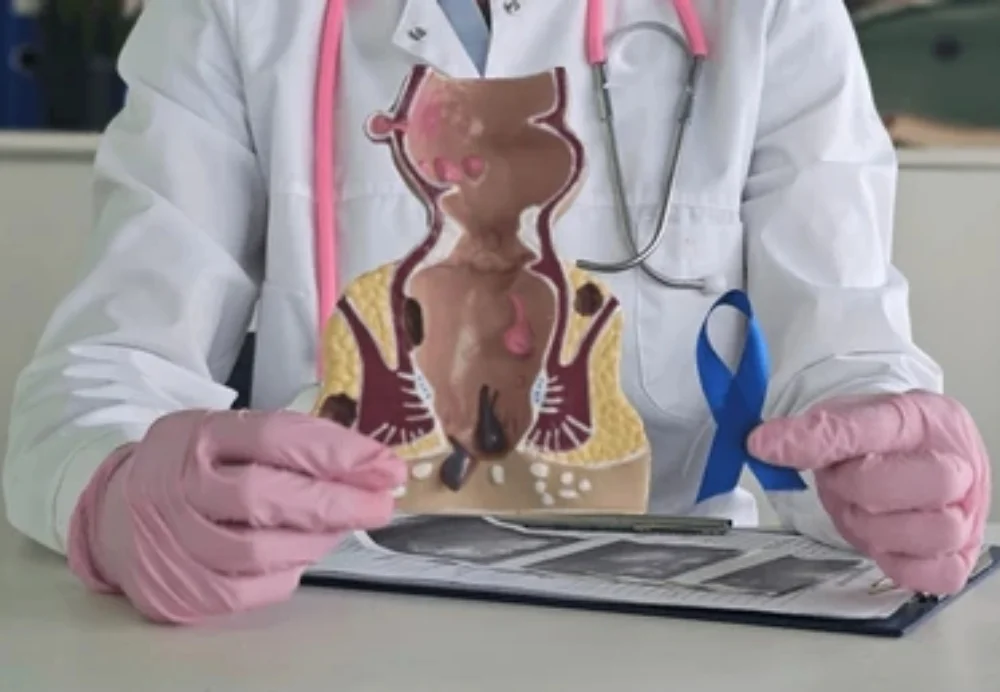
Rectum cancer is a condition in which abnormal cells develop in the lining of the rectum, the final portion of the large intestine just before the anus. These abnormal cells grow uncontrollably over time and may begin as benign polyps before progressing into cancer. Because of the rectum’s location within the pelvis, rectal tumors require careful planning to ensure complete cancer removal while preserving bowel, urinary, and sexual function. Under the care of Dr. Anuj Suketu, rectum cancer treatment is planned according to tumor stage, location within the rectum, and the patient’s overall health. The primary goal is oncologic clearance while maintaining quality of life and functional outcomes.
WHAT IS RECTUM CANCER?
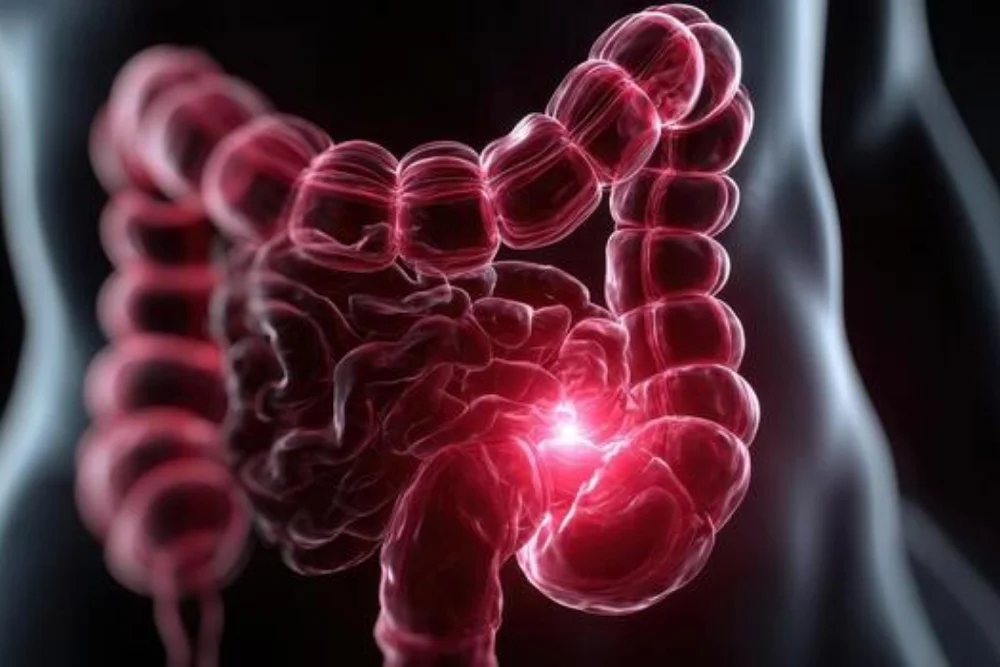
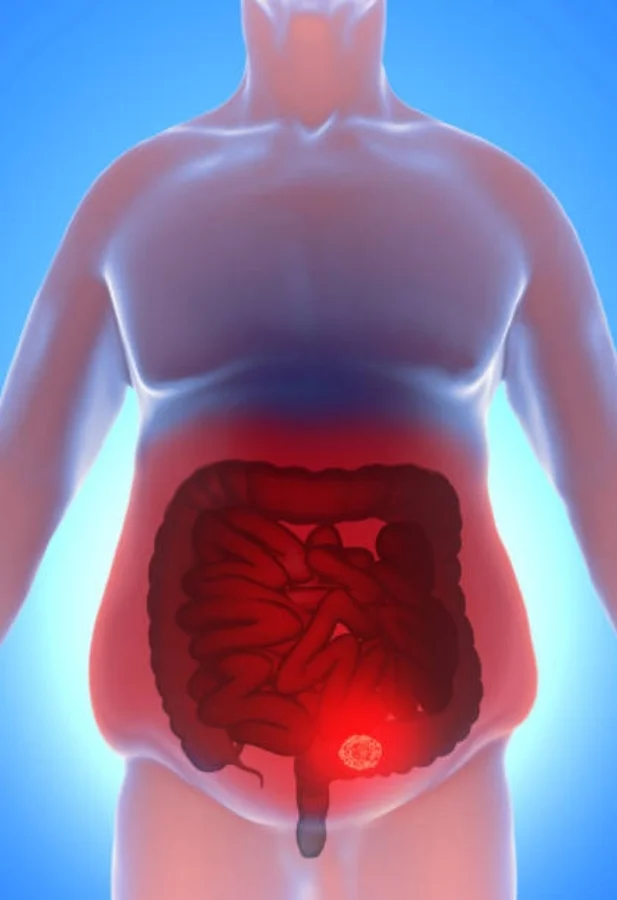
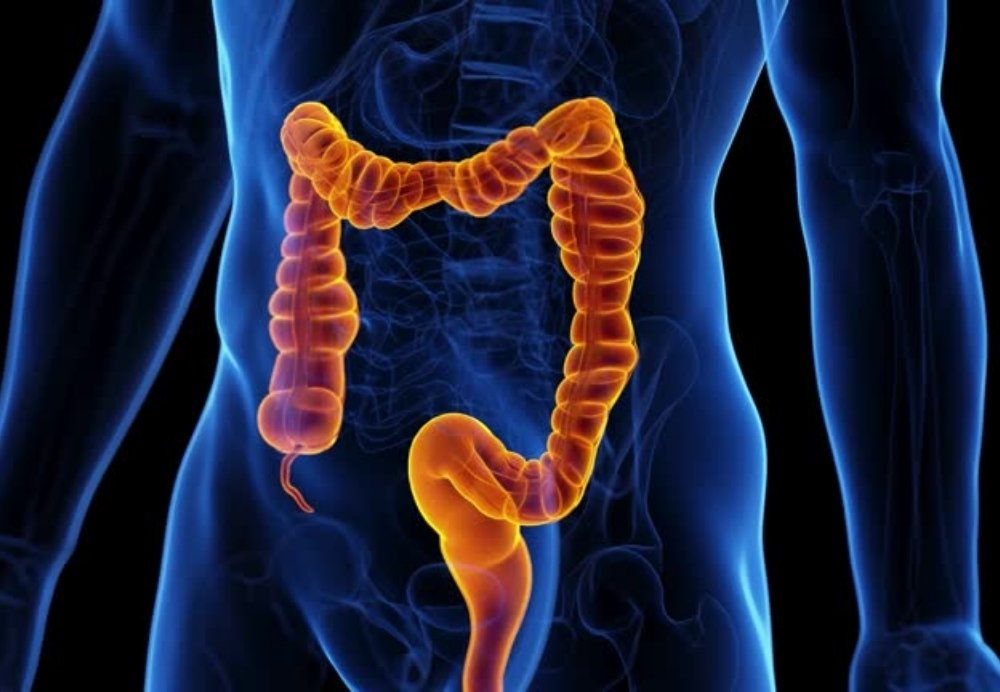
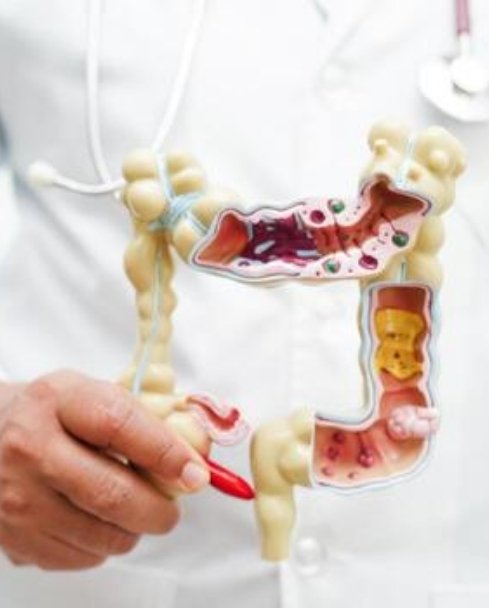
Rectum cancer is a disease in which the cells lining the rectum begin to grow in an uncontrolled and disorganized manner. The rectum forms the last 12–15 cm of the large intestine and plays a crucial role in stool storage and controlled bowel movements.
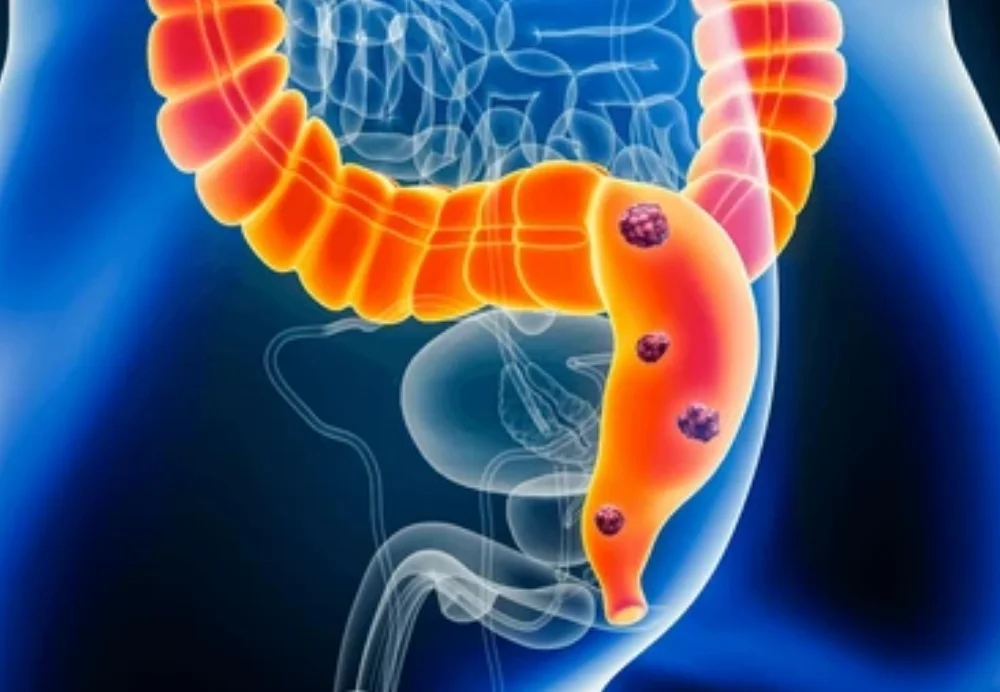
In many cases, rectal cancer begins with polyps – small growths on the inner lining of the rectum. While most polyps remain benign, some undergo genetic changes that allow them to progress into cancer over time. As the tumor enlarges, it can invade deeper layers of the rectal wall, spread to surrounding lymph nodes, and, if untreated, extend to distant organs or the pelvic structures.
Bleeding from the rectum
Bright red blood during or after bowel movements is a common symptom, especially with lower rectal tumors.
Change in bowel habits
Ongoing constipation, diarrhoea, or a persistent change in stool consistency or frequency.
Rectal pain or pressure
Discomfort, pain, or a constant urge to pass stool due to tumor irritation.
Fatigue and weakness
Chronic blood loss can lead to anaemia, resulting in tiredness and reduced energy levels.
STAGES OF RECTUM CANCER
Staging determines how far rectum cancer has spread and directly influences treatment strategy and outcomes.
Cancer is limited to the inner layers of the rectal wall. Surgery alone is often sufficient for cure.
The tumor has grown through deeper layers of the rectal wall but has not involved nearby lymph nodes. Treatment typically includes surgery, sometimes combined with radiotherapy or chemotherapy.
Cancer has spread to nearby lymph nodes. Treatment usually involves a combination of chemotherapy, radiotherapy, and surgery for optimal disease control.
Cancer has spread to distant organs or the peritoneum. Treatment focuses on disease control, symptom relief, and long-term survival in selected cases using advanced therapies.
TYPES OF RECTUM CANCER
Rectum cancer includes different tumor types, each with unique biological behaviour and treatment considerations.
Adenocarcinoma
The most common type, arising from glandular cells lining the rectum. Treatment usually involves surgery combined with chemotherapy and/or radiotherapy.
Mucinous adenocarcinoma
A subtype that produces mucus and may behave more aggressively, often requiring tailored treatment planning.
Neuroendocrine tumours
Rare tumors arising from hormone-producing cells within the rectum, managed based on size, grade, and spread.
HOW RECTUM CANCER IS DIAGNOSED
Accurate diagnosis and staging are essential for safe and effective treatment planning.
Colonoscopy or Sigmoidoscopy
Allows direct visualization of the rectum and biopsy of suspicious lesions.
Biopsy
Confirms cancer type, grade, and molecular features that guide treatment decisions.
CT scan
Helps assess spread to the abdomen, chest, or distant organs.
CAUSES & RISK FACTORS
Rectum cancer may occur without a clear cause, but several factors increase risk and influence screening recommendations.

Dietary habits
Diets low in fibre and high in red or processed meats increase long-term cancer risk.

Obesity & Physical Inactivity
Excess body weight and sedentary lifestyle contribute to metabolic and inflammatory.

Family History
A first-degree relative with colorectal cancer significantly raises individual risk.
Inherited Genetic Syndromes
Lynch syndrome and familial adenomatous polyposis greatly increase lifetime risk.

Increasing Age
Risk rises steadily after the age of 50, even in individuals without other known risk factors.
WHEN SURGERY IS REQUIRED
Surgery is the cornerstone of curative treatment for rectum cancer. The type of surgery depends on tumor location, stage, and response to preoperative therapy. Modern rectal cancer surgery focuses on complete tumor removal while preserving sphincter function whenever possible.
For locally advanced tumors, preoperative chemotherapy and radiotherapy are often used to shrink the tumor before surgery. In selected advanced cases with peritoneal involvement, cytoreductive surgery combined with HIPEC may be considered to address visible and microscopic disease.
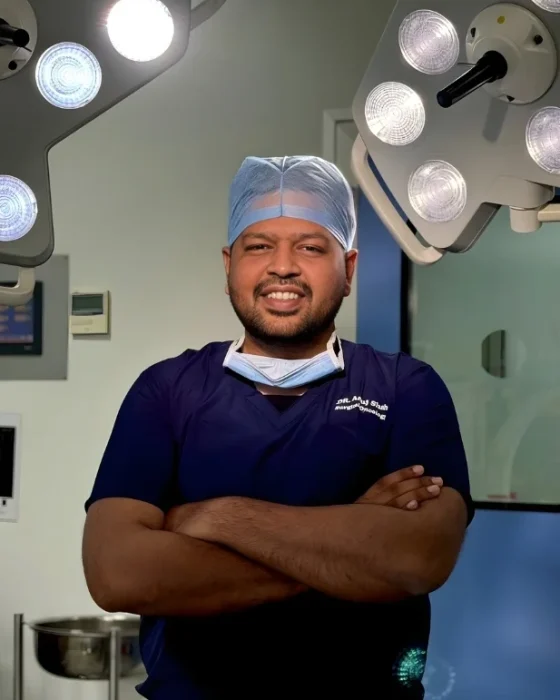
WHY CONSULT DR. ANUJ SUKETU FOR RECTUM CANCER CARE
Rectum cancer surgery requires exceptional precision due to the confined pelvic anatomy and the need to preserve function.
Advanced rectal cancer surgery
Expertise in sphincter-preserving and low pelvic resections using modern techniques.
Minimally invasive approaches
Laparoscopic and robotic surgery for reduced pain, faster recovery, and improved precision.
Multidisciplinary tumour board planning
Close collaboration with medical and radiation oncologists to optimize outcomes.
Experience with advanced disease
Skilled management of locally advanced and recurrent rectal cancers.
Comprehensive preoperative assessment:
Structured preparation, recovery planning, and long-term follow-up.
Structured recovery and follow-up care
Attention to bowel, urinary, and sexual function preservation whenever feasible.
Dr. Anuj believes that the best surgical approach is the one personalized to the patient, not a one size fits all method. Every decision is made with the aim of:

Maximum cancer clearance

Minimum complications

Better long-term quality of life
FAQs
Frequently Asked Questions
Yes, when detected early and treated appropriately, rectum cancer can be cured. Outcomes depend on stage, tumor biology, and treatment response.
Not always. Radiotherapy is commonly used in locally advanced cases but may not be required for early-stage tumors.
Many patients can avoid a permanent stoma with modern sphincter-preserving techniques. The decision depends on tumor location and safety.
Recovery varies by procedure and patient health. Minimally invasive surgery often allows quicker recovery, while complex surgeries need structured rehabilitation.
Book a Consultation
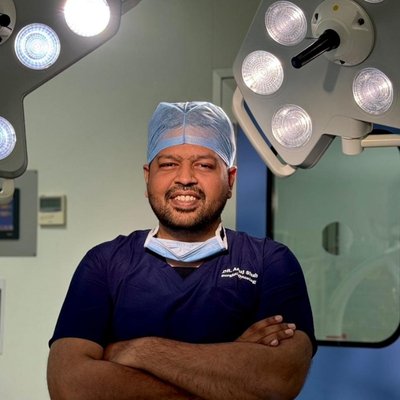
Dr. Anuj provides advanced rectum cancer surgery, personalized treatment planning, and compassionate guidance throughout every stage of care.
Need Any Help? We’re There For You
If you or a loved one has been diagnosed with rectum cancer, early expert evaluation is crucial for optimal outcomes.