

Stomach Cancer Treatment in Ahmedabad
Advanced Stomach Cancer Surgery
Advanced Stomach Cancer Surgery for Better Outcomes
Comprehensive surgical care for stomach cancer using modern techniques, precision, and compassionate support.
Stomach cancer develops when normal cells in the stomach lining grow uncontrollably, forming tumors that may invade deeper layers and nearby structures. Early symptoms are often subtle, but as the disease progresses, it can affect digestion, appetite, and overall health. Under the care of Dr. Anuj, stomach cancer treatment is planned based on tumor type, stage, and patient health. The goal is complete tumor removal while preserving digestive function and improving quality of life.
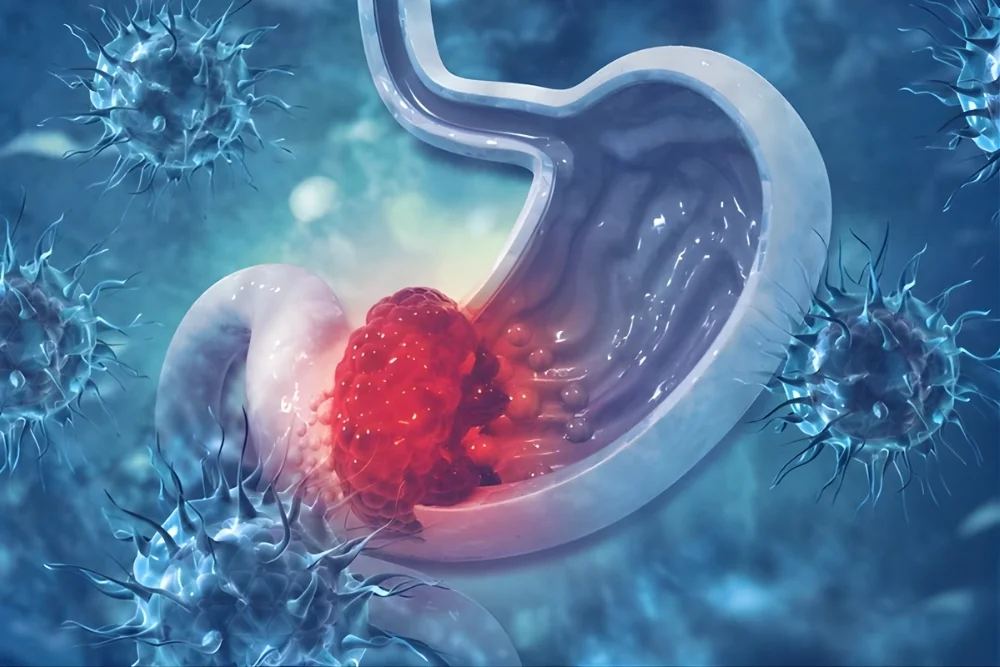
WHAT IS STOMACH CANCER?
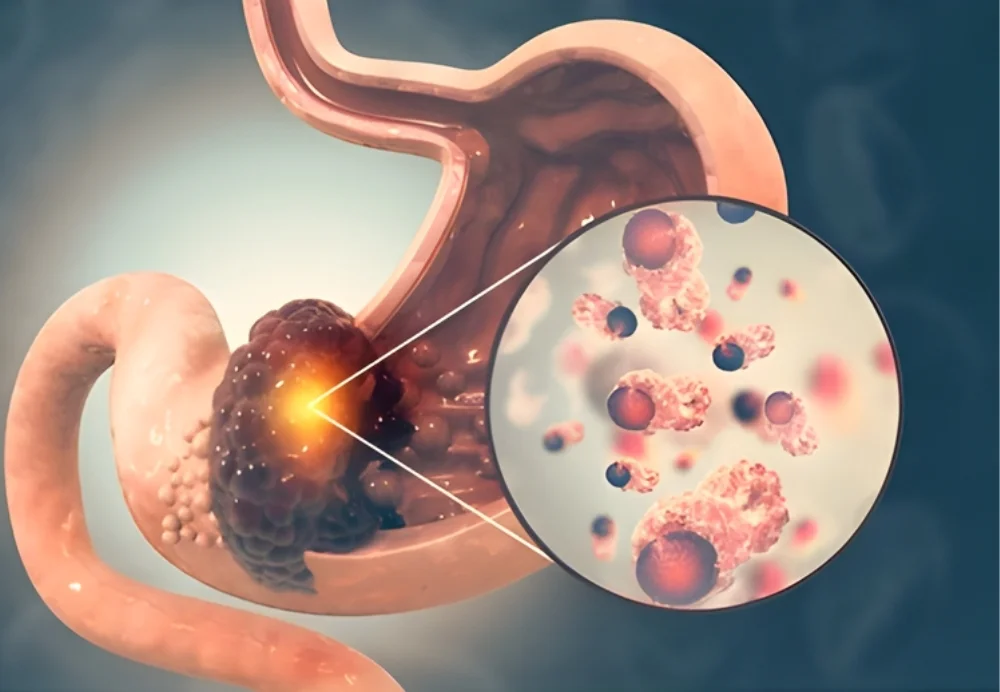
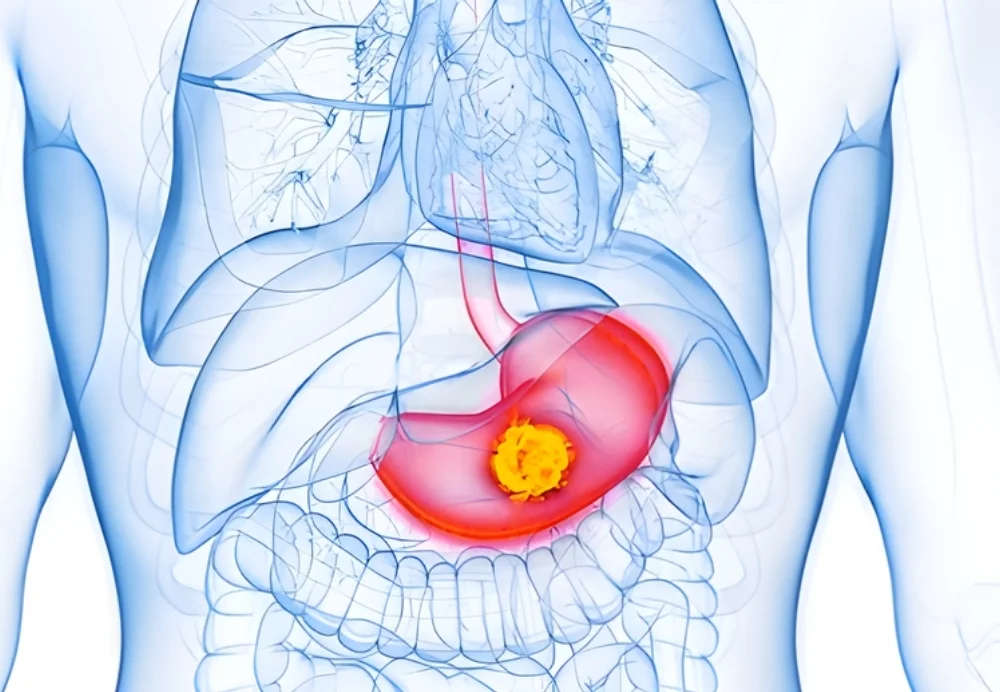
Stomach (gastric) cancer is a malignancy that arises when cells in the stomach lining begin uncontrolled growth. Most tumors develop from the glandular cells of the stomach lining and can slowly invade deeper layers, nearby lymph nodes, or distant organs if untreated.
Early detection is crucial, as stomach cancer may not cause noticeable symptoms initially. Treatment strategies are guided by tumor location, size, and biological features.
Persistent indigestion or discomfort
Pain, bloating, or a feeling of fullness after small meals.
Nausea or vomiting
May include vomiting blood in advanced cases.
Unexplained weight loss
Gradual loss of body weight despite normal appetite.
Difficulty swallowing
Especially if tumor is near the upper stomach.
STAGES OF STOMACH CANCER
Staging determines the extent of disease and guides treatment planning:
Tumor confined to the inner lining of the stomach; surgery alone may be curative.
Tumor penetrates deeper layers or involves nearby lymph nodes; surgery plus chemotherapy is standard.
Cancer has spread to regional lymph nodes or surrounding structures; complex surgery with chemotherapy is recommended.
Cancer has metastasized to distant organs such as the liver or peritoneum; treatment focuses on symptom control, chemotherapy, or targeted therapies.
TYPES OF STOMACH CANCER
Stomach cancer varies based on the type of cells involved:
Adenocarcinoma
Most common type, developing from glandular cells; treated with surgery and chemotherapy.
Lymphoma
Arises from lymphatic tissue in the stomach; usually treated with chemotherapy rather than primary surgery.
Neuroendocrine tumors
Rare, slow-growing tumors that may secrete hormones; management depends on size and spread.
HOW STOMACH CANCER IS DIAGNOSED
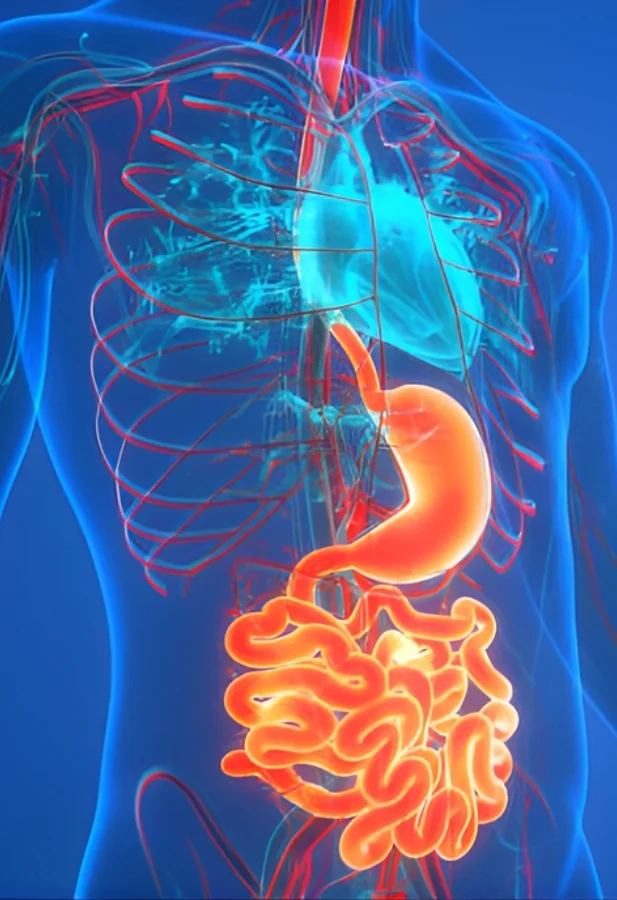
Diagnosis relies on a combination of endoscopic, imaging, and pathological tests.
Endoscopy
Direct visualization of the stomach lining and biopsy collection.
Biopsy
Confirms cancer type, grade, and biological features for treatment planning.
CT or MRI scans
Assess tumor size, depth, lymph node involvement, and distant spread.
CAUSES & RISK FACTORS
While stomach cancer may arise without a clear cause, several factors increase risk.

Dietary habits
Diets high in smoked, salted, or processed foods and low in fruits and vegetables.

Family History
First-degree relatives with stomach cancer increase individual risk.
Chronic gastritis or ulcers
Long-standing stomach inflammation may contribute.

Smoking
Increases overall risk of gastric cancer.

Age
Risk rises after age 50.
WHEN SURGERY IS REQUIRED
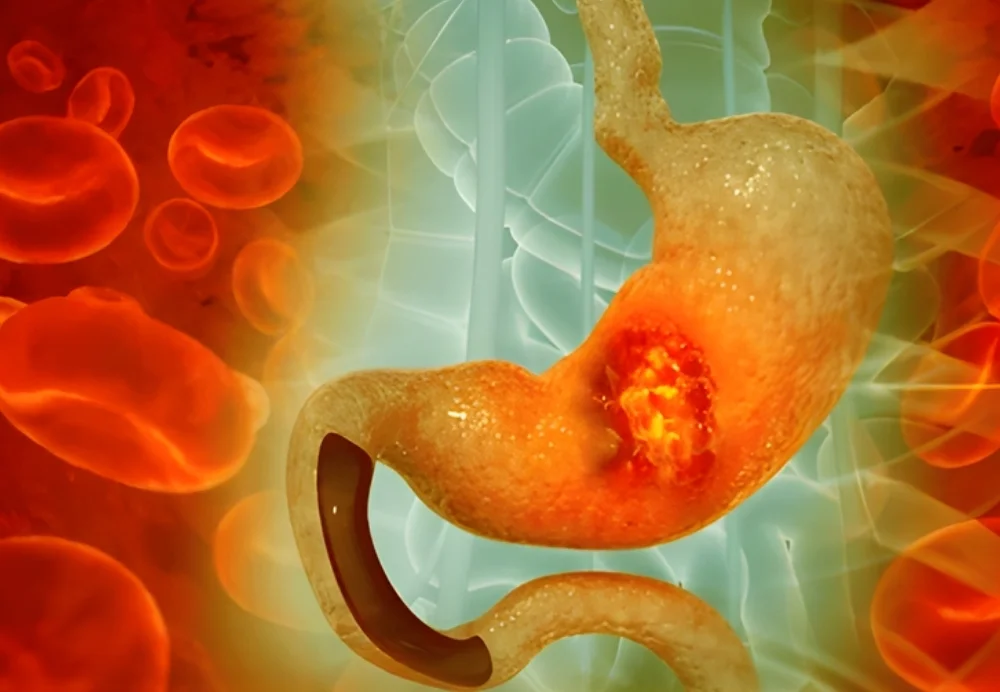
Surgery is the main curative treatment for stomach cancer. Depending on tumor location and extent, options include subtotal gastrectomy (partial stomach removal) or total gastrectomy (complete stomach removal), often combined with lymph node dissection.
In selected advanced cases with peritoneal spread, surgery may be combined with cytoreductive surgery (CRS) and HIPEC to remove visible tumors and deliver heated chemotherapy to control microscopic disease. Surgery aims to completely remove cancer while preserving digestive function and nutritional status.
TREATMENT APPROACH TO STOMACH CANCER
Stomach cancer treatment is multidisciplinary:
Surgery
Primary treatment to remove the tumor and involved lymph nodes.
Chemotherapy
Pre- or post-surgery to shrink tumor or reduce recurrence.
Radiation therapy
Used in selected cases to control local disease.
Targeted therapy & immunotherapy
For specific tumor types or genetic profiles.
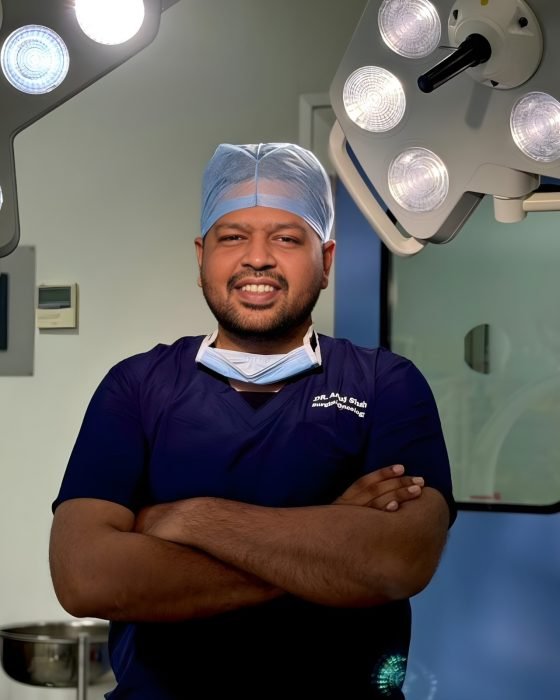
WHY CONSULT DR. ANUJ SHAH FOR STOMACH CANCER CARE?
Stomach cancer surgery requires precision, experience, and ethical decision-making:
Specialized oncologic training
Advanced training in gastrointestinal oncology.
Individualized surgical planning
Personalized based on tumor location, stage, and patient health.
Minimally invasive expertise
Laparoscopic and robotic surgery in selected cases.
Multidisciplinary coordination
Collaboration with oncology, radiology, and nutrition teams.
Patient-Focused Care
Clear communication, guidance, and long-term follow-up.
Commitment to long-term quality of life
Surgery designed to maintain digestive function and overall well-being.
Dr. Anuj believes that the best surgical approach is the one personalized to the patient, not a one size fits all method. Every decision is made with the aim of:

Maximum cancer clearance

Minimum complications

Better long-term quality of life

FAQs
Frequently Asked Questions
Yes, common sites include liver, lungs, and peritoneum; early diagnosis improves outcomes.
Surgery depends on tumor location, stage, and involvement of surrounding structures.
Recovery varies; minimally invasive procedures allow faster healing, while complex surgeries require structured rehabilitation.
Yes, pre- or post-operative therapy is often used to improve outcomes.

Book a Consultation
Dr. Anuj offers advanced stomach cancer surgery, personalized treatment planning, and compassionate guidance throughout your treatment journey.
Need Any Help? We’re There For You
If you or a loved one has been diagnosed with stomach cancer, early surgical evaluation can improve outcomes.