

Uterus Cancer Treatment in Ahmedabad
Advanced Uterus Cancer Surgery
Advanced Uterus Cancer Surgery for Better Outcomes
Comprehensive surgical care for uterus cancer using modern techniques, precision, and compassionate support.
Uterus cancer (endometrial cancer) arises when the cells lining the uterus grow uncontrollably, forming tumors that may invade the uterine wall and spread to nearby tissues. Early detection is key to improving outcomes, and surgery remains the mainstay of curative treatment. Under the care of Dr. Anuj, treatment planning is individualized based on tumor type, stage, and patient health, aiming for complete cancer removal while preserving quality of life and reproductive function wherever feasible.
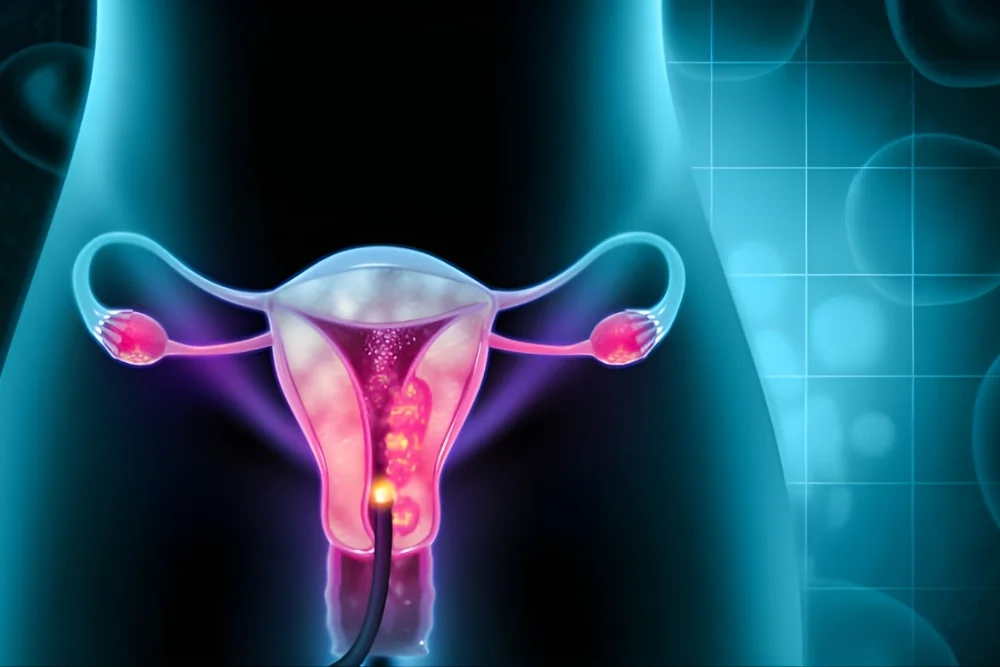
WHAT IS UTERUS CANCER?
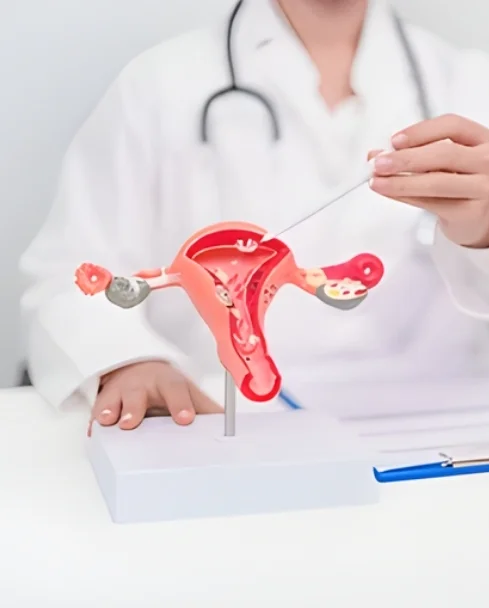
Uterus cancer occurs when abnormal cells in the lining of the uterus multiply uncontrollably. Most cases involve the endometrium (lining of the uterus), but rare types can affect the muscle wall or other uterine structures.
Tumor growth can invade deeper layers, spread to lymph nodes, and in advanced cases, reach distant organs. Early identification and surgical management significantly improve survival and reduce recurrence risk.
Abnormal vaginal bleeding
Especially after menopause or between periods.
Changes in menstrual cycles
Heavier, prolonged, or irregular periods.
Pelvic pain or pressure
Persistent discomfort in the lower abdomen.
Unexplained weight loss
Gradual weight reduction without dietary changes.
STAGES OF UTERUS CANCER
Staging guides treatment and prognosis:
Cancer confined to the uterus; surgery often curative.
Tumor extends to the cervix but not beyond the uterus.
Spread to nearby tissues or regional lymph nodes.
Advanced spread to distant organs or bladder/rectum involvement
TYPES OF UTERUS CANCER
Different cell types behave differently and require tailored treatment:
Serous carcinoma
More aggressive, often detected at advanced stages.
Clear cell carcinoma
Rare, with higher recurrence risk.
Sarcomas
Arise from uterine muscle or connective tissue; uncommon but aggressive.
HOW UTERUS CANCER IS DIAGNOSED
Diagnosis combines imaging, tissue analysis, and lab tests:
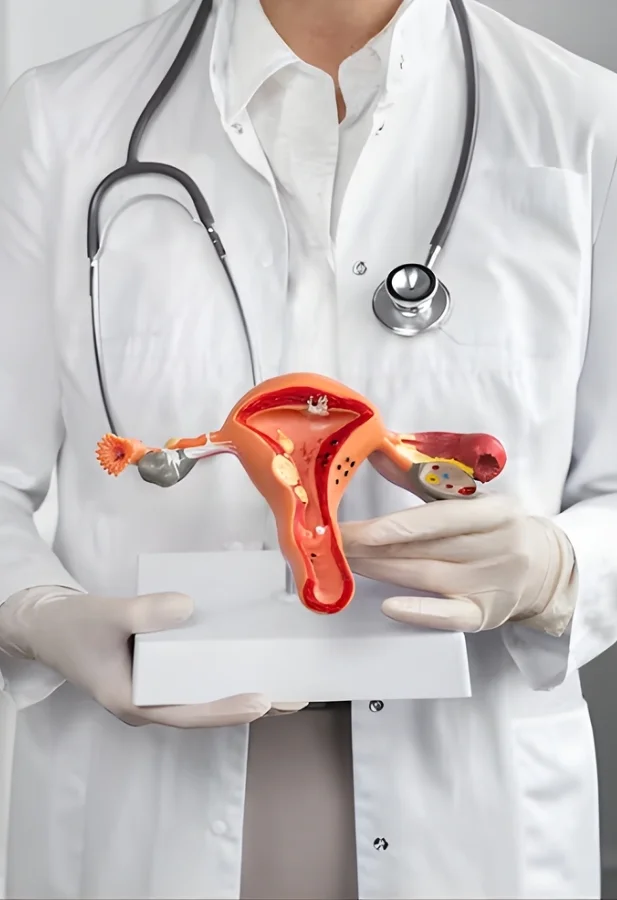
Ultrasound
Initial assessment of uterine structure and thickness.
CT or MRI scans
Determine tumor spread to lymph nodes or adjacent organs.
Blood tests
Evaluate overall health and guide treatment planning.
CAUSES & RISK FACTORS
Most common after age 50.
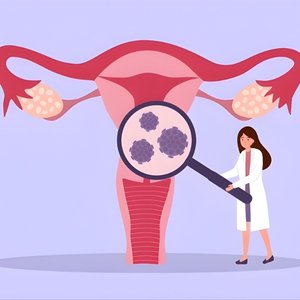
Hormonal imbalance
Prolonged estrogen exposure increases risk.

Family History
Lynch syndrome and other hereditary conditions increase lifetime risk.

Obesity
Excess body fat raises estrogen levels and cancer risk.

Age and gender
More common in older individuals and females.

Diabetes and hypertension
Associated metabolic changes may contribute.

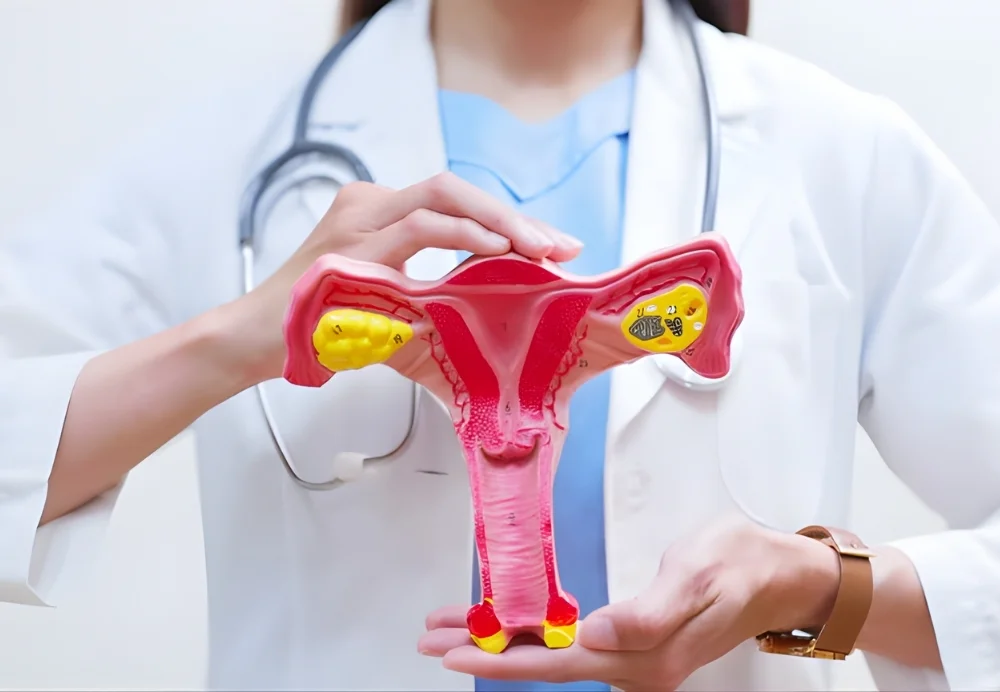

WHEN SURGERY IS REQUIRED
Surgery is the primary curative treatment for uterus cancer. Standard procedures involve hysterectomy (removal of the uterus) with salpingo-oophorectomy (removal of ovaries and fallopian tubes) and lymph node evaluation.
In selected advanced cases, extended or radical surgery may be required to remove tumor-involved tissues while preserving patient function wherever feasible. Early surgical intervention offers the best chance of long-term control and survival.
TREATMENT APPROACH TO UTERUS CANCER
Treatment is multidisciplinary and tailored:
Surgery
Primary treatment to remove tumor and involved tissues.
Chemotherapy
Used in advanced stages or high-risk disease.
Radiation therapy
Controls local tumor growth and reduces recurrence risk.
Targeted therapy
Selected in cases based on tumor biology.
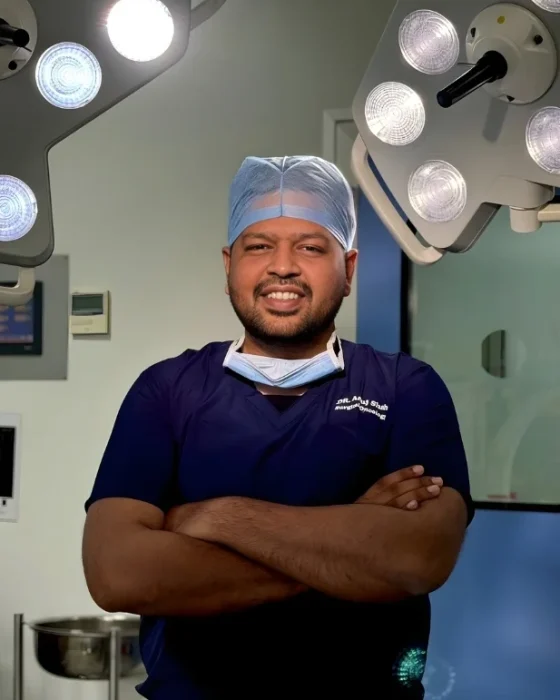
WHY CONSULT DR. ANUJ SHAH FOR UTERUS CANCER CARE?
Uterus cancer surgery demands precision, experience, and coordinated care:
Oncologic surgical expertise
Specialized in gynecologic cancers with advanced surgical skills.
Individualized surgical planning
Personalized based on tumor stage and patient needs.
Minimally invasive techniques
Laparoscopic or robotic options for faster recovery.
Multidisciplinary coordination
Collaboration with oncology, radiology, and pathology teams.
Patient-Focused Care
Clear guidance, ethical decision-making, and emotional support.
Focus on long-term outcomes
Emphasis on survival, recovery, and quality of life.
Dr. Anuj believes that the best surgical approach is the one personalized to the patient, not a one size fits all method. Every decision is made with the aim of:

Maximum cancer clearance

Minimum complications

Better long-term quality of life
FAQs
Frequently Asked Questions
Yes, advanced tumors may spread to lymph nodes, ovaries, bladder, or distant organs.
Surgery is the primary treatment, though fertility-sparing options may be considered in select early-stage cases.
Abnormal bleeding and timely investigations often allow early detection.
Recovery depends on surgery type; minimally invasive approaches shorten hospital stay, while extensive procedures require structured rehabilitation.
Book a Consultation
Dr. Anuj Shah provides advanced surgical care, personalized treatment planning, and compassionate guidance throughout the journey.
Need Any Help? We’re There For You
If you or a loved one has been diagnosed with uterus cancer, early evaluation by a specialist can improve outcomes.