

Vulva Cancer Treatment in Ahmedabad
Advanced Vulva Cancer Surgery
Advanced Vulva Cancer Surgery for Better Outcomes
Comprehensive surgical care for uterus cancer using modern techniques, precision, and compassionate support.
Vulva cancer arises when cells in the external female genitalia grow uncontrollably, forming tumors that can invade surrounding tissues. Early detection improves outcomes, and surgery remains the primary curative approach. Under the care of Dr. Anuj, treatment is individualized based on tumor type, stage, and patient health, aiming for complete cancer removal while preserving function, appearance, and quality of life.
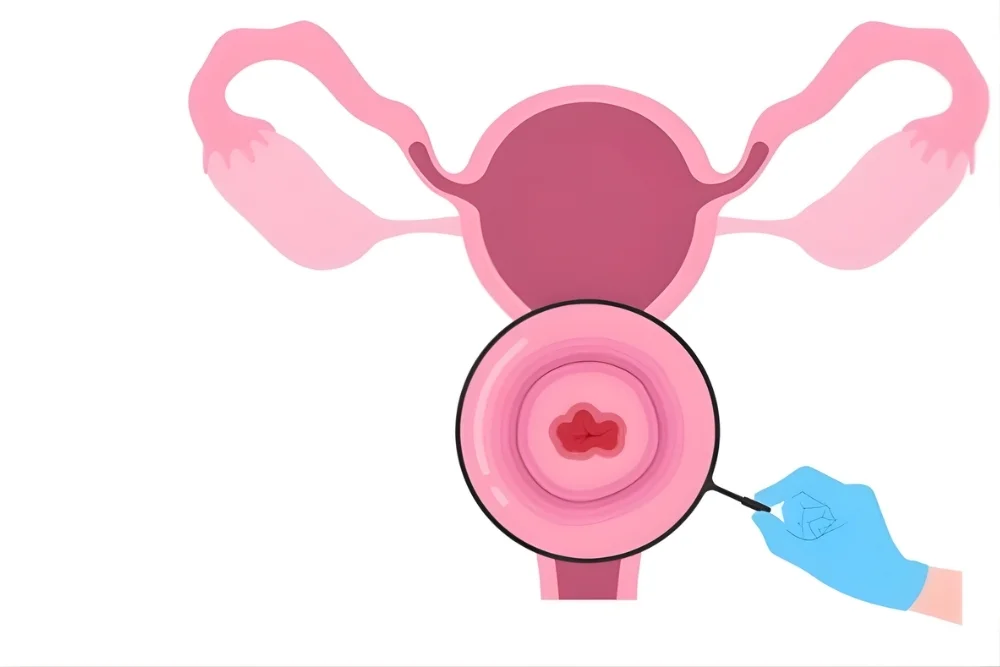
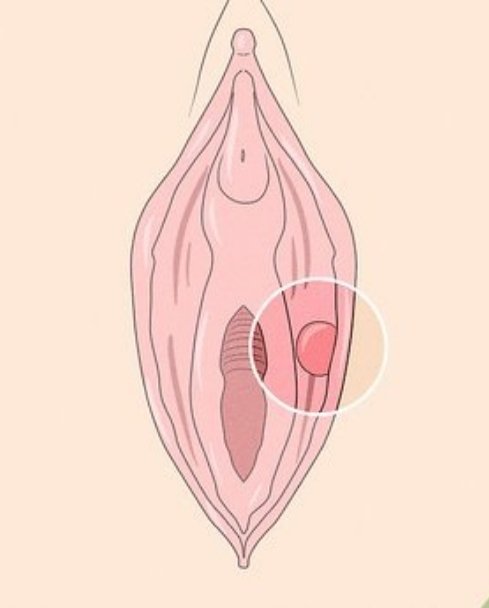
WHAT IS VULVA CANCER?
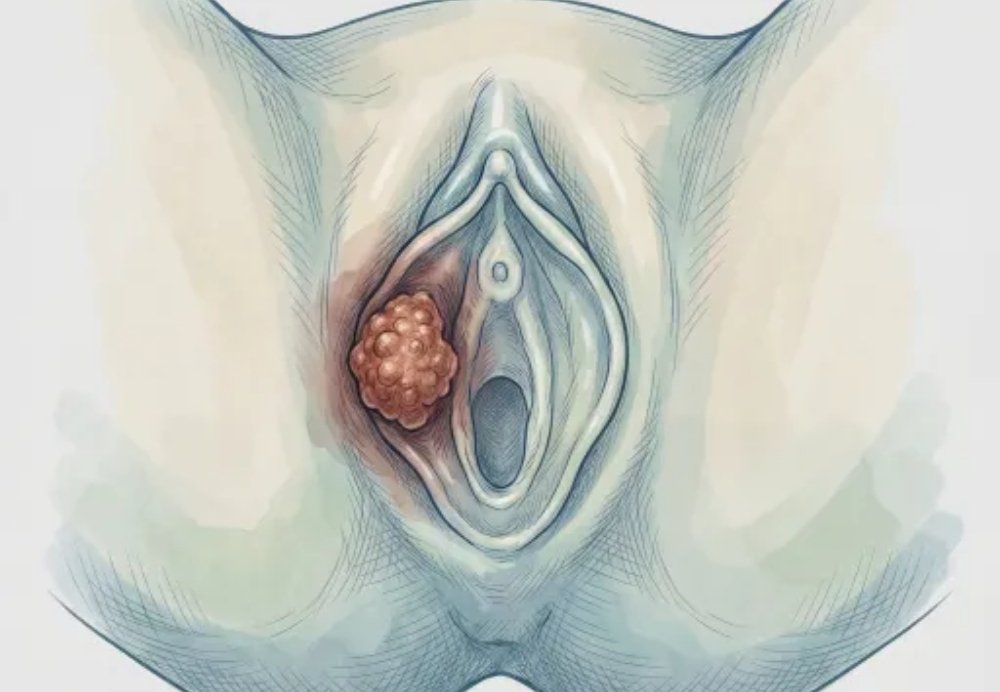
Vulva cancer occurs when abnormal cells on the external female genitalia multiply uncontrollably. The most common type is squamous cell carcinoma, but rarer forms like melanoma or adenocarcinoma may occur.
Tumor growth can extend to nearby lymph nodes and, in advanced cases, to distant organs. Timely surgical management is critical to achieving long-term control and survival.
STAGES OF VULVA CANCER
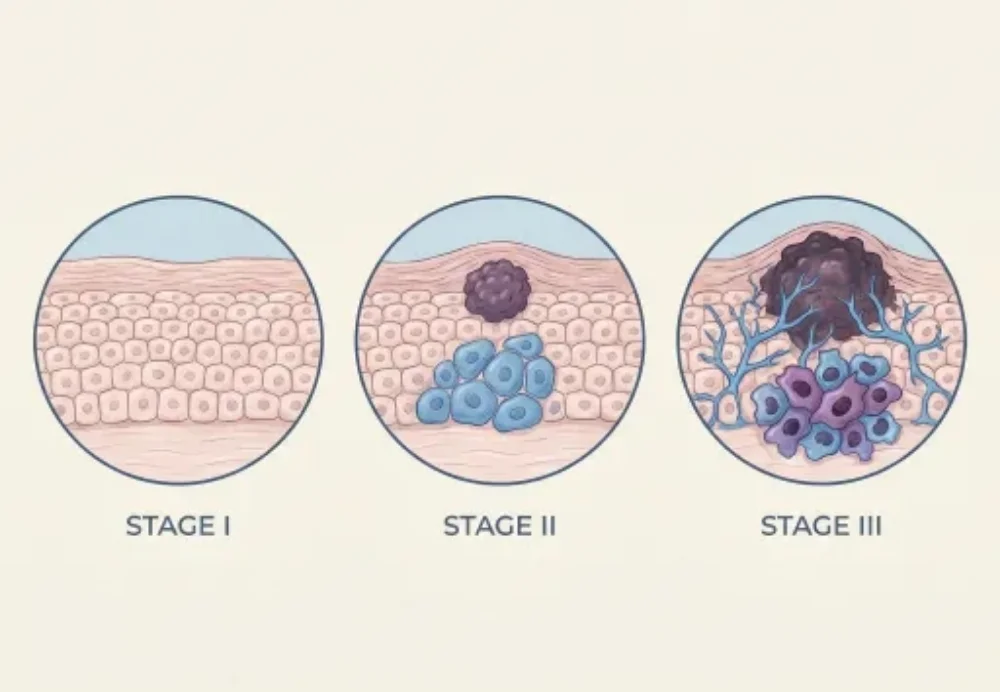
Staging guides treatment and prognosis:
Tumor limited to the vulva; surgery alone may be curative.
Tumor invades nearby structures without lymph node involvement.
Spread to regional lymph nodes; treatment combines surgery and adjuvant therapy.
Advanced spread to distant organs or adjacent structures; multimodal treatment required.
TYPES OF VULVA CANCER
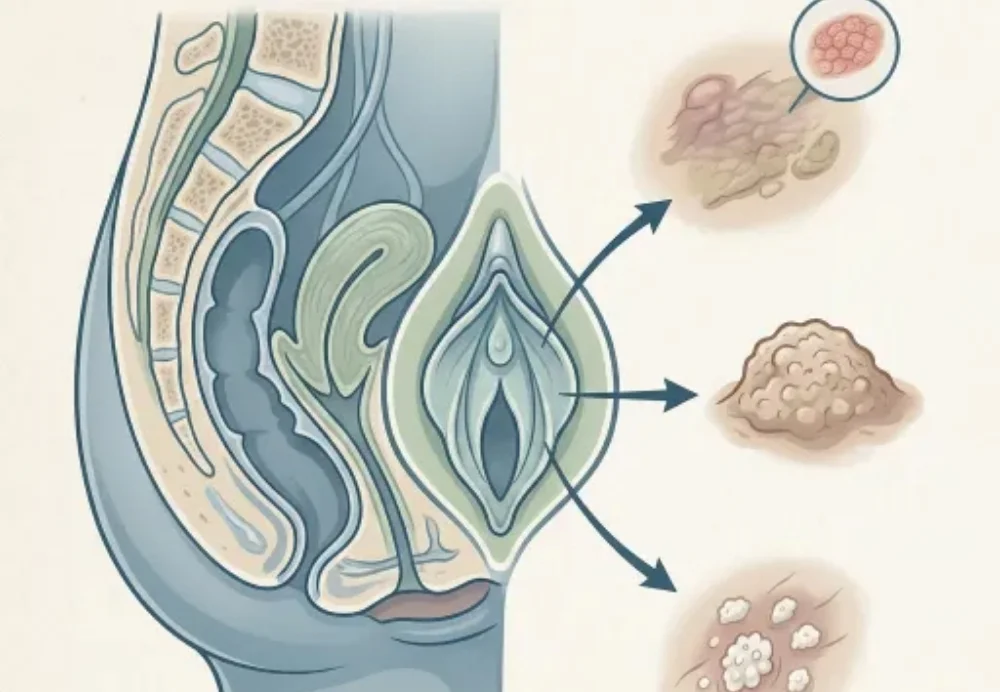
Different cell types require tailored management:
Melanoma
Rare, aggressive, requires wide local excision and sometimes systemic therapy.
Adenocarcinoma
Arises from glandular tissue; management is individualized.
Verrucous carcinoma
Slow-growing, locally invasive; surgical excision is primary treatment.
HOW VULVA CANCER IS DIAGNOSED
Diagnosis combines imaging, tissue analysis, and lab tests:
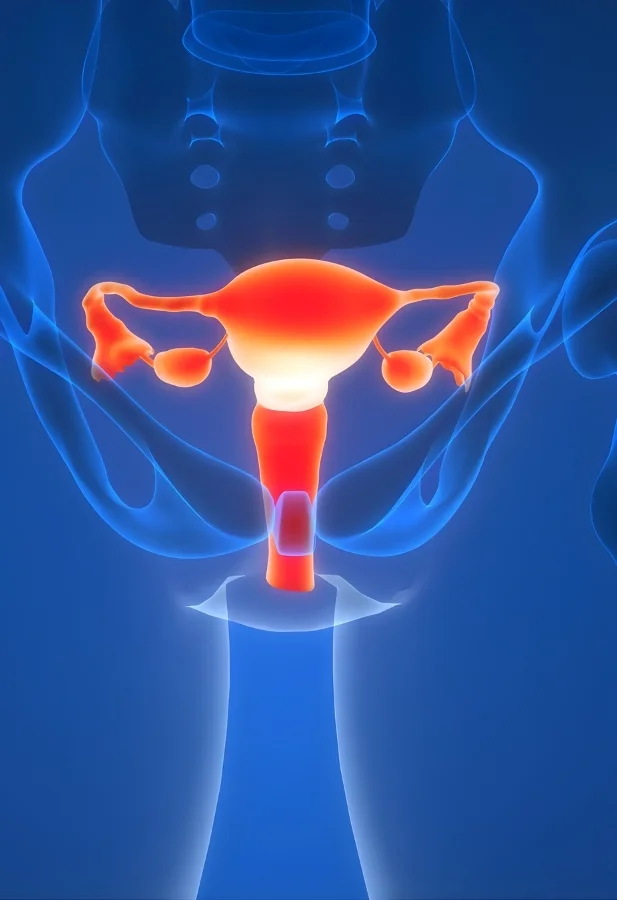
Physical examination
Identifies suspicious lesions and assesses spread.
Biopsy
Confirms cancer type, grade, and histology.
Imaging (CT/MRI/PET)
Evaluates tumor depth, lymph node involvement, and distant spread.
CAUSES & RISK FACTORS
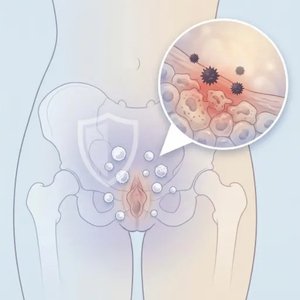
Factors increasing vulva cancer risk include:
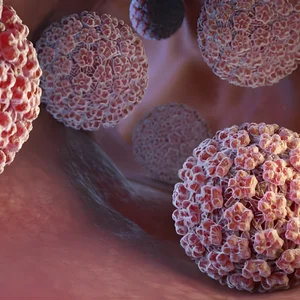
HPV infection
High-risk strains linked to many cases.
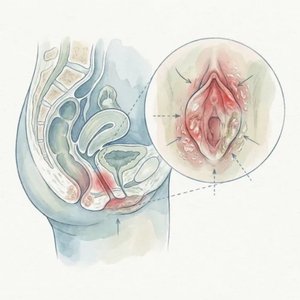
Chronic skin conditions
Lichen sclerosus or chronic irritation.
Immunosuppression
Weakens body’s ability to fight abnormal cell growth.

Family History
Rare genetic predispositions may increase susceptibility.

Age
Most common after age 60.
WHEN SURGERY IS REQUIRED
Surgery is the primary curative approach for vulva cancer. Options range from wide local excision of the tumor to radical vulvectomy in advanced cases, often combined with lymph node evaluation.
Early surgical intervention improves survival, prevents spread, and minimizes recurrence. Post-operative care focuses on healing, function, and quality of life.
TREATMENT APPROACH TO VULVA CANCER
Treatment is multidisciplinary and patient-specific:
Surgery
Mainstay for tumor removal and lymph node assessment.
Chemotherapy
For advanced or metastatic tumors, sometimes combined with radiation.
Radiation therapy
Used for locally advanced disease or post-surgery to reduce recurrence risk.
Targeted therapy or immunotherapy
Selected in rare aggressive cases.
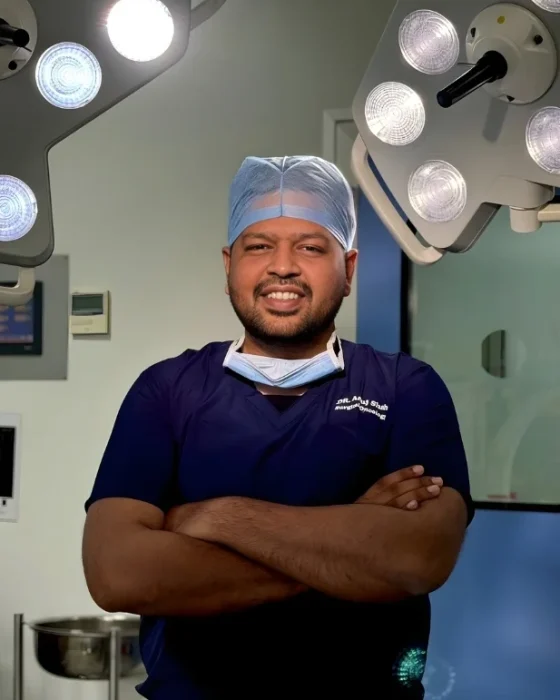
WHY CONSULT DR. ANUJ SHAH FOR VULVA CANCER CARE?
Vulva cancer management requires precision, experience, and multidisciplinary coordination:
Experienced in gynecologic cancers with advanced surgical skills.
Tailored based on tumor stage and patient health.
Laparoscopic or limited excisions where feasible.
Collaboration with oncology, radiology, and pathology teams.
Ethical decisions, emotional support, and clear guidance throughout treatment.
Survival, recovery, and quality of life prioritized.
Dr. Anuj believes that the best surgical approach is the one personalized to the patient, not a one size fits all method. Every decision is made with the aim of:

Maximum cancer clearance

Minimum complications

Better long-term quality of life
FAQs
Frequently Asked Questions
Yes, advanced tumors can spread to lymph nodes or distant organs.
Surgery is tailored; early tumors may only need wide local excision.
Radiation is used for locally advanced disease or post-operative therapy to reduce recurrence risk.
Recovery varies; minimally invasive procedures shorten hospitalization, while extensive surgery requires structured follow-up.
Book a Consultation
Dr. Anuj Shah provides advanced surgical care, personalized treatment planning, and compassionate guidance throughout the journey.
Need Any Help? We’re There For You
If you or a loved one has been diagnosed with uterus cancer, early evaluation by a specialist can improve outcomes.